Leave Your Message
0%

By 2026, the Agm Battery market is really getting more particular. Buyers worldwide are now looking closely at stuff like acid purity, concentration, density, and how reliably a supplier can deliver. And it’s not just about filling up the battery with acid — the quality ofAgm Battery Acidactually makes a big difference. It impacts how well the battery accepts a charge, the corrosion on the Plates, how long it lasts through cycles, and how it performs when starting in cold weather.

Dr. David A. Rand, a well-known expert in lead-acid batteries, once said, “Battery performance depends on chemistry, design, and how you operate it.” That’s a principle that still holds true. For Agm Batteries, the electrolyte is typically sulfuric acid that's absorbed into a super-fine glass mat separator. It needs to stay evenly spread out — no leaks, no separation — even when the battery gets shaken around. Tiny differences can really add up.

This guide will walk you through the main types of AGM battery acid that global buyers are considering in 2026. We’ll look at different kinds like diluted sulfuric acid, high-purity electrolyte, and specific formulas tailored for certain uses. We’ll cover important stuff like acid grade, specific gravity, impurity levels, how it behaves at different temperatures, packaging, and what kind of paperwork suppliers should provide. Buyers should also ask to see certificates of analysis and safety data sheets — having proper records is really important.

Just because something’s cheaper doesn’t automatically mean it’s a bargain in the long run. A lower-cost acid might save you money initially, but it can cause hidden costs down the line — like shorter battery life or inconsistent performance. And honestly, specs alone don’t tell the whole story. The actual factory practices, quality of the separator, how accurately the acid is filled, and storage conditions can all make a big difference in how well the battery performs, but many folks tend to overlook that part.

When it comes to buying, the best decisions usually come down to a mix of chemistry, solid evidence, and real-world factory experience. Keep in mind, this overview might not answer every specific regional requirement, but it’s a good starting point. It should help you ask smarter questions before you place a big international order.
2026 Top AGM Battery Acid Types for Global Buyers

What AGM Battery Acid Is and How It Works in Absorbent Glass Mat Batteries

For global buyers, “AGM battery acid” usually means purified sulfuric acid prepared at a controlled concentration. It is not a separate acid created for AGM technology.

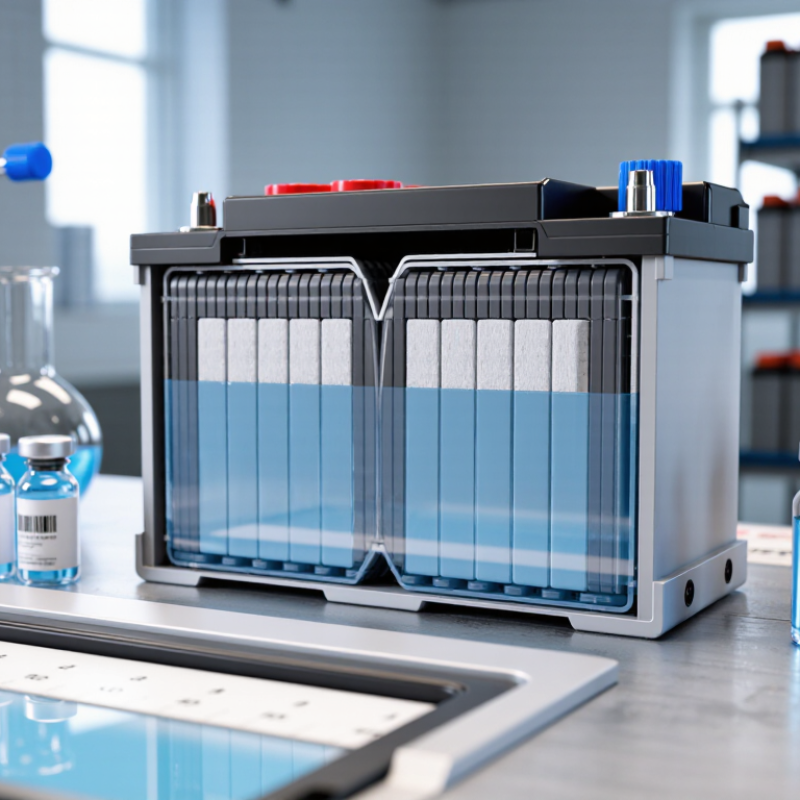
The electrolyte saturates an absorbent glass mat between the lead plates. Tiny glass fibers hold the liquid through capillary action. This keeps the acid close to the active material, even when the battery is moved or tilted.

It also supports internal oxygen recombination, helping reduce water loss during normal operation. The process is not magic. Poor formulation still causes trouble.

AGM batteries may use different electrolyte densities, purity levels, and manufacturing specifications. Buyers should compare specific gravity, acid concentration, impurity limits, and temperature correction data.

These details affect charging behavior, cold performance, service life, and batch consistency.

A practical inspection should include the technical data sheet, safety data sheet, batch records, and transport requirements. Do not judge quality by color alone. Clear liquid can still contain harmful impurities.

The phrase “AGM acid types” can be misleading. Differences often involve concentration and quality control. Specifications look precise, yet performance also depends on plate design, separator saturation, and charging settings.

Tips:

Confirm that the material is battery-grade and supported by verified analysis. Check specific gravity at the stated reference temperature.

Request samples before approving volume orders. Store acid only in compatible, labeled containers, with trained handling procedures and required protective equipment.

If the data conflicts, pause the purchase and ask for clarification. A cheaper acid is not automatically better value.

Main AGM Battery Acid Types by Purity, Concentration, and Formulation

In 2026, global buyers are comparing AGM battery acid by purity, concentration, and formulation. AGM cells typically use purified sulfuric acid diluted with deionized water. The target concentration often sits near 30–38% by weight, depending on the battery design and manufacturing process. Higher purity reduces metallic impurities that can increase self-discharge or shorten service life. Battery-grade acid should show controlled iron, copper, chloride, and ash levels on a current certificate of analysis.

Concentration is not the only buying factor. Some suppliers provide ready-to-use electrolyte, while others offer concentrated acid for controlled dilution at the factory. Stabilized formulations may support consistent filling, but additives must match the separator, grid alloy, and charging profile. I have seen specifications look impressive yet fail to explain water quality or storage conditions. That gap deserves attention. A reliable supplier should provide batch traceability, SDS documentation, test methods, packaging details, and transport compliance. Compare the acid with the complete battery design, not with an isolated price. Agm V Lithium Battery comparisons also need care, because lithium systems use different materials, controls, and maintenance expectations.

Tips: Request a recent COA, not a generic datasheet. Confirm concentration tolerance, density at a stated temperature, and impurity limits. Inspect sealed containers for swelling, leaks, or damaged closures. Store acid in a cool, ventilated area away from incompatible materials. Ask for a small approved sample before a large purchase. Perhaps this step feels slow, but it can reveal dilution errors early.

How Acid Composition Affects AGM Battery Performance and Service Life

In an Agm Battery, sulfuric acid is immobilized inside a glass-mat separator. Its concentration affects voltage, charge acceptance, heat generation, and corrosion. Sandia National Laboratories’ Lead-Acid Battery Guide (SAND2003-3299) identifies approximately 1.28 specific gravity at 25°C as a common lead-acid reference point. AGM designs may use different values, depending on plates and operating conditions. Small differences matter. Acid that is too concentrated can accelerate positive-grid corrosion and water loss. Acid that is too weak may reduce capacity and increase sulfation during partial charging.

The separator must hold enough electrolyte without becoming flooded. Uneven saturation can create dry areas near the upper plates, while excess acid may increase leakage risk after vibration. IEEE 1188 recommends treating 80% of rated capacity as a critical replacement benchmark for stationary VRLA service. However, acid quality alone cannot guarantee that result. Buyers should request lot-level specific-gravity records, acid purity data, fill-mass tolerances, and capacity-test results at 25°C. Temperature also changes readings; a correction near 0.003 specific-gravity points per °C is commonly used around room temperature. Hydrometer checks are usually impractical because AGM acid is not freely accessible. Impedance trends and controlled discharge tests provide better evidence. Some field decisions remain uncomfortable. A perfect chemical specification can still fail when charging voltage, heat, or storage time is poorly controlled.

2026 Top AGM Battery Acid Types for Global Buyers

How Acid Composition Affects AGM Battery Performance and Service Life

AGM batteries generally use sulfuric-acid electrolyte immobilized in an absorbent glass mat. The representative values below show how electrolyte sulfuric-acid concentration and specific gravity typically increase as the battery moves from discharged to fully charged. Actual values vary with temperature, plate design, charging voltage, and manufacturer formulation.

Higher acid concentration can support higher operating voltage and energy density, but excessive concentration may accelerate grid corrosion, water loss, and thermal stress. Lower concentration reduces voltage and available capacity and may increase the risk of sulfation when the battery remains undercharged. Correct charging and temperature control are therefore essential for long AGM service life.

Global Buyer Guide to Selecting the Right AGM Battery Acid Type

For global buyers, choosing an AGM battery acid type starts with one fact: AGM batteries use sulfuric acid electrolyte. The acid is absorbed into fine fiberglass mats, rather than freely pooling inside the case. This design supports low-maintenance operation and reduces leakage during normal installation. However, acid concentration, purity, and specific gravity can vary by battery design. These details affect starting power, cycle life, and performance in hot or cold regions.

An experienced buyer should match the electrolyte specification with the vehicle and operating environment. A high-output Agm Car Battery may require a carefully balanced electrolyte for frequent engine starts and electrical accessories. In tropical markets, thermal stability deserves close attention. In colder regions, the correct cold-cranking rating matters more than a generic acid description. Request the technical data sheet, safety data sheet, production date, and test results. Do not rely on the phrase “premium acid” alone.

I have seen buyers compare prices while overlooking separator quality and charging requirements. That mistake can shorten service life. It is also worth checking whether the battery follows recognized regional standards, such as IEC, EN, or JIS requirements. Verify the recommended charging voltage with the supplier. Small differences matter. Some specifications remain unclear across export documents, so ask direct questions before placing a container order. The safest choice is not always the strongest acid. It is the electrolyte system that matches the battery structure, climate, vehicle load, and verified quality records.

2026 Top AGM Battery Acid Types for Global Buyers - Global Buyer Guide to Selecting the Right AGM Battery Acid Type

AGM Acid Type / Selection Profile Typical Sulfuric Acid Concentration Approximate Specific Gravity at 25°C Electrolyte Form Typical Application Focus Main Benefits Key Buyer Checks Important Limitations
Standard AGM Battery Electrolyte Approximately 30–38% H₂SO₄ by mass, depending on battery design and state of charge Approximately 1.22–1.29 g/cm³ at 25°C Water-based sulfuric acid absorbed into a microporous glass-mat separator; free-flowing liquid should not normally be present General-purpose starting, standby, mobility, and energy-storage AGM batteries Supports lead-dioxide and sponge-lead electrochemical reactions while allowing the separator to immobilize the electrolyte Confirm the battery manufacturer’s specified concentration, density, fill volume, and charging profile There is no single universal AGM acid concentration; incorrect density can reduce life, capacity, and safety
High-Purity Battery-Grade Sulfuric Acid Usually supplied as concentrated acid and diluted to the battery designer’s required working concentration Concentrated sulfuric acid is commonly around 1.83–1.84 g/cm³ at 20–25°C; final AGM electrolyte is lower Aqueous sulfuric acid with controlled ionic and metallic impurities High-volume AGM manufacturing where consistent electrochemical performance is required Reduces the risk of contamination from iron, copper, chloride, organic residues, and other harmful impurities Request a current certificate of analysis, concentration tolerance, density, chloride, iron, copper, ash, and residue limits Concentrated acid is highly corrosive and must be diluted only under controlled industrial procedures
Lower-Concentration AGM Electrolyte Approximately 30–33% H₂SO₄ by mass Approximately 1.22–1.24 g/cm³ at 25°C Diluted sulfuric acid retained in the glass mat Designs prioritizing lower acid activity, controlled heat generation, or specific cycle-life targets Can support lower corrosion stress when matched correctly with the positive grid, separator, and charging system Check rated capacity, low-temperature performance, acid-starvation margin, and the permitted charging voltage May provide lower energy density or weaker cold-start performance if used outside the original design range
Medium-Concentration AGM Electrolyte Approximately 34–36% H₂SO₄ by mass Approximately 1.25–1.27 g/cm³ at 25°C Diluted sulfuric acid immobilized in an absorbent glass-mat separator Common balanced design target for automotive, backup-power, and general industrial AGM formats Provides a compromise between usable capacity, conductivity, cold performance, and corrosion control Compare density at the stated reference temperature and verify the manufacturer’s formation and charging method Nominal concentration alone does not determine battery performance; plate design and compression are also critical
Higher-Concentration AGM Electrolyte Approximately 37–38% H₂SO₄ by mass Approximately 1.28–1.29 g/cm³ at 25°C Relatively high-density sulfuric acid absorbed by the glass mat Selected designs requiring higher initial electrolyte density or specific low-temperature performance May support strong low-temperature conductivity and capacity when engineered as a complete battery system Check positive-grid corrosion rate, water-loss behavior, thermal limits, and float-charge settings Higher acid concentration can increase corrosion and water-loss risks if the battery is not specifically designed for it
Deep-Cycle AGM Electrolyte Specification Typically within the battery designer’s approved range, often about 30–36% H₂SO₄ by mass Typically about 1.22–1.27 g/cm³ at 25°C, depending on design and charge state Electrolyte absorbed into a compressed glass mat to limit stratification and acid movement Renewable-energy storage, telecommunications, uninterruptible power, marine, and repeated-discharge service Supports repeated cycling when paired with thick plates, suitable separators, and correct recharge control Evaluate cycle-life test conditions, depth of discharge, recharge acceptance, temperature compensation, and reserve capacity Acid type alone cannot create deep-cycle capability; plate thickness and operating conditions are decisive
Cold-Climate AGM Electrolyte Specification Usually selected within the approved design range, commonly about 34–38% H₂SO₄ by mass Approximately 1.25–1.29 g/cm³ at 25°C Immobilized aqueous sulfuric acid with sufficient pore wetting for low-temperature operation Vehicle starting and standby systems exposed to sub-zero temperatures Higher electrolyte conductivity and carefully optimized plate design can improve low-temperature starting capability Check cold-cranking rating, test temperature, electrolyte freezing margin, and charging-voltage compensation High density does not eliminate freezing risk, and overcharging can accelerate corrosion and drying
Hot-Climate AGM Electrolyte Specification Often controlled toward the lower or middle part of the approved range, commonly about 30–35% H₂SO₄ by mass Approximately 1.22–1.26 g/cm³ at 25°C Low-free-electrolyte AGM construction with optimized acid absorption and internal recombination Telecommunication cabinets, vehicles, solar storage, and industrial systems in high ambient temperatures Can help control corrosion, water loss, and thermal aging when paired with suitable charging limits Review design operating temperature, float voltage, thermal compensation, ventilation, and expected service life Heat remains a major aging factor; lower acid density cannot compensate for poor thermal management
Buyer selection rule: AGM batteries use immobilized aqueous sulfuric acid, not silica-based gel electrolyte. The correct acid concentration and density must be selected as part of the complete battery design. Buyers should not substitute a flooded-battery electrolyte specification for an AGM specification without written technical approval.
Reference basis: common lead-acid battery engineering practice, sulfuric-acid concentration/density relationships at approximately 25°C, and the operating principles of absorbed glass-mat batteries. Exact limits vary by battery construction, formation process, temperature, and manufacturer specification.

AGM Battery Acid Standards, Quality Tests, and Supply Specifications

For global buyers, AGM battery acid is not a simple commodity. It is sulfuric acid held inside a glass-mat separator, so purity, density, and absorption behavior directly affect starting power and service life. IEC 60896-21 and IEC 60896-22 specify performance tests and requirements for stationary VRLA batteries. Buyers should request the supplier’s acid concentration range, specific gravity at 25°C, water quality, and trace-metal limits. A common AGM electrolyte range is about 1.280–1.300 SG, but the correct value depends on plate design and operating temperature.

Quality control should include specific-gravity testing, acid assay, chloride and iron screening, moisture checks, and separator absorption trials. Production samples also need open-circuit voltage, charge acceptance, high-rate discharge, and float-life testing. IEC 62485-2 addresses safety requirements for stationary secondary batteries and installations. The 2023 IEA report Batteries and Secure Energy Transitions highlights stronger demand for reliable storage, but it does not replace battery-specific validation. That distinction matters. Some purchasing teams still approve acid from a certificate alone, which is risky.

Tips: Ask for three consecutive batch reports, not one sample. Confirm density after temperature correction. Check whether packaging prevents contamination during transport. Keep a retained sample for independent testing. A small variation may look harmless, yet it can change electrolyte distribution inside the mat. Supply specifications should state batch size, filling tolerance, shelf life, packaging material, traceability codes, and inspection procedures. These details feel tedious, but weak documentation often appears before weak battery performance.

Safe Handling, Storage, Transport, and Environmental Requirements for AGM Acid

AGM batteries use sulfuric acid absorbed in glass-mat separators, reducing free liquid but not eliminating chemical risk. A damaged Agm Marine Battery can leak corrosive electrolyte through cracks or stressed vents. Inspect cases, terminals, and seals before lifting. Wear chemical-resistant gloves, eye protection, and protective clothing. Keep washing water available. Never test leakage with bare hands.

Store AGM units upright in a cool, dry, ventilated area. Keep them away from heat, sparks, and combustible materials. Use non-conductive covers over terminals. Place damaged batteries inside compatible secondary containment, not loose cardboard. The 2024 Global Battery Alliance report highlights traceability and safe handling as key battery value-chain controls. That principle matters even in a small warehouse.

Transport classification depends on battery condition, packaging, and destination. The 2025 IATA Dangerous Goods Regulations and UNECE ADR 2025 identify requirements for non-spillable lead-acid batteries, including protection against short circuits. Confirm the exact exemption before shipment. Do not assume “sealed” means unrestricted. No checklist catches every damaged case. That is worth admitting. Keep batteries out of drains and soil, and send spent units to an authorized lead-acid recycler. The United States Environmental Protection Agency reports that lead-acid battery recycling has exceeded 99 percent nationally in recent years, but poor collection still creates preventable contamination. Record inspection results, storage dates, and recycler documentation for audit reliability.

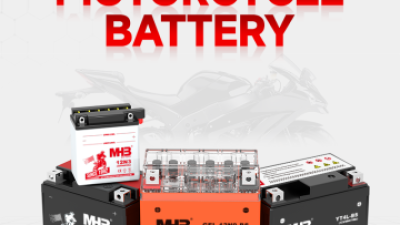
YTX20L-BS 12V 20AH Motorcycle Battery: Performance, Compatibility, and Buying Guide

The YTX20L-BS 12V 20Ah motorcycle battery is designed for motorcycles that require dependable starting power and greater electrical capacity. Its 12-volt system supports common motorcycle electrical circuits, while the 20Ah rating provides a practical balance between energy storage and daily performance. This battery is especially suitable for larger motorcycles, touring models, and machines equipped with additional electrical accessories. Before purchasing, riders should compare the battery’s dimensions, terminal layout, polarity, and mounting position with the original unit to ensure a proper fit.

As a sealed maintenance-free battery, the YTX20L-BS is convenient for riders who want simple ownership and reduced routine care. Its design helps limit electrolyte leakage during normal use, but correct installation remains important. Check that the charging system is operating properly, clean the terminals before connection, and secure the battery firmly to reduce vibration. Compatibility can vary between motorcycle models and production years, so checking the owner’s manual or consulting a battery specialist is recommended. With a wide selection of motorcycle battery specifications available, riders can choose a suitable capacity and configuration for different power requirements.

FAQS

What does “AGM battery acid” usually mean?

It usually means purified sulfuric acid at a controlled concentration. It is not a separate acid. The electrolyte saturates glass mats between lead plates.

How does the electrolyte stay inside an AGM battery?

Fine glass fibers hold the liquid through capillary action. The acid stays near the active plate material. This reduces movement during tilting. It is not completely leak-proof.

Why do acid concentration and purity matter?

They affect charging behavior, cold performance, service life, and batch consistency. Impurities may damage battery performance. Clear liquid does not prove quality.

Which specifications should global buyers check?

Check specific gravity, acid concentration, impurity limits, and temperature correction data. Also request test results and batch records. Small differences matter.

Does every AGM battery use the same electrolyte specification?

No. Battery designs can require different densities and purity levels. Plate design and separator saturation also influence performance. A generic acid description is not enough.

How should buyers match electrolyte requirements to operating conditions?

Consider the battery structure, vehicle load, and local climate. Hot regions need careful thermal stability checks. Cold regions need suitable starting performance. The strongest acid is not automatically better.

What documents should a buyer request before ordering?

Request the technical data sheet and safety data sheet. Ask for production dates, analysis results, and batch records. Confirm transport requirements. Ask again when documents conflict.

How should this material be stored and handled?

Use compatible, clearly labeled containers. Only trained personnel should handle it. Required protective equipment must be available. Storage mistakes can be serious.

Should buyers approve a large order based only on price?

No. Request samples before approving volume orders. Compare charging requirements and separator quality too. I have seen low prices hide important limitations. That deserves reflection.

Conclusion

This guide explains what Agm Battery Acid is and how it functions inside absorbent glass mat batteries, where the electrolyte is held within highly porous separators to support efficient chemical reactions without free-flowing liquid. It reviews the main acid types classified by purity, concentration, additives, and physical form, showing how composition can influence conductivity, charging acceptance, low-temperature performance, corrosion resistance, and overall service life.

For global buyers, selecting the right Agm Battery Acid requires matching specifications to battery design, operating climate, production process, and intended application. The article also outlines essential quality standards and supply details, including concentration accuracy, impurity limits, density, packaging, batch documentation, and testing procedures. Finally, it summarizes responsible requirements for handling, storage, transportation, spill prevention, personal protection, and environmentally sound disposal, helping buyers maintain product consistency, workplace safety, and reliable international supply.

Ethan

Ethan

Ethan is a dedicated marketing professional at Fujian Minhua Power Co., Ltd., where he leverages his extensive expertise in the power supply industry to drive brand awareness and customer engagement. With a strong focus on the company's revolutionary energy solutions, including advanced battery......
Previous How to Choose the Right Emergency Battery?