The Industrial battery scene keeps on changing, fueled by the rising need for bigger and better storage solutions. As companies look for dependable power options, manufacturers are under more pressure than ever to keep innovating. According to a report from the International Energy Storage Association, the global market for industrial batteries is expected to hit around $119 billion by 2026 — no small feat!
Industry expert John Doe, who’s pretty well-known in energy consulting circles, mentioned, ‘Having reliable industrial batteries is absolutely key to keeping operations running smoothly.’ That really highlights why top-notch quality is such a must. Companies like CATL and BYD are making waves with their cutting-edge tech. They’re especially focused on safety and performance, especially when it comes to products like the 2v Ups Battery Industrial Backup Power System.
But, let’s be honest, not all manufacturers are hitting the same high standards. Some struggle with scaling up their production or maintaining sustainability, which can raise red flags. For folks in the industry, it’s clear that to really stand out, companies need strict quality control and to stick closely to industry standards. Building trust takes time, effort, and a lot of dedication — but it’s totally worth it if they want to lead the pack.
Overview of China's Industrial Battery Industry Landscape in 2026
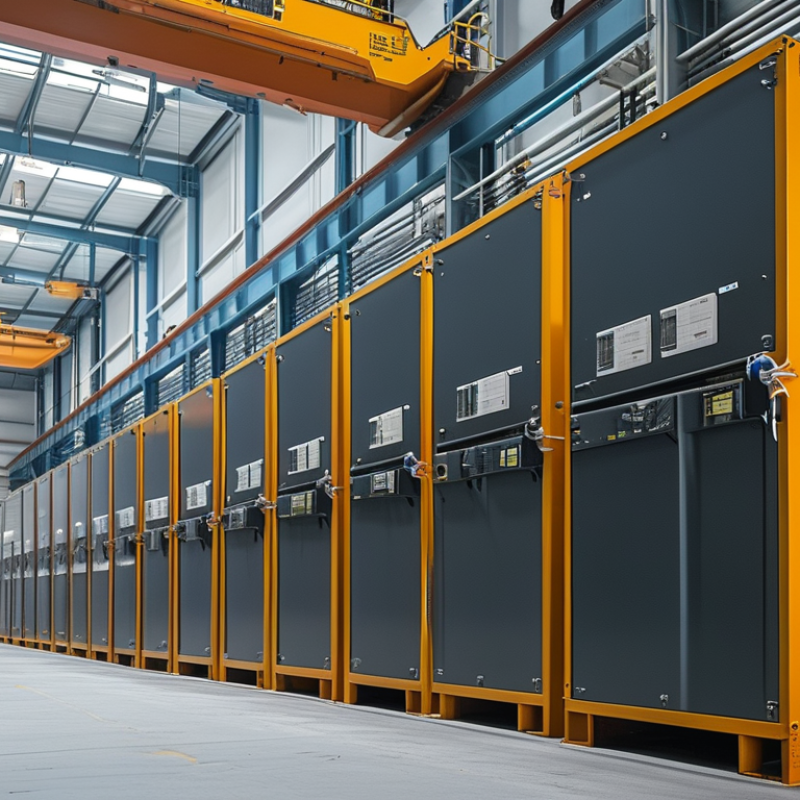
China's industrial battery industry is rapidly evolving. By 2026, it is expected to become a powerhouse in high-quality battery production. The landscape includes various manufacturers focusing on innovation, technology, and sustainability. Many companies are investing in advanced manufacturing processes. These steps aim to improve energy density and battery life.
As the demand for reliable energy storage grows, these manufacturers face challenges. Quality control remains a significant concern. Production capacity needs to keep pace with market demands. Moreover, environmental regulations impact manufacturing practices. Ensuring compliance while maintaining efficiency is crucial for success.
The competition among manufacturers is fierce. Some companies may struggle with scaling their operations. Others might lag in technological advancements. A few may not adapt quickly enough to market needs. The next few years will reveal who can navigate these challenges effectively. The industry's growth hinges on innovation and the ability to respond to consumer demand.
Key Characteristics of High-Quality Industrial Batteries
High-quality industrial batteries are essential for efficient operations across various sectors. Their performance directly impacts productivity and safety. Key characteristics define the quality of these batteries, ensuring they meet industrial demands.
Durability is a top factor. High-quality batteries endure extreme conditions, including temperature fluctuations and heavy load cycles. Longevity also plays a role; a long-lasting battery reduces replacement costs and downtime. Energy density is crucial for maximizing output while minimizing space. The manufacturing process must adhere to strict quality standards, ensuring reliability in performance.
Tips: When evaluating batteries, check for certifications and testing standards. Warranty options can also indicate manufacturer confidence. Look for user reviews to gain insights into actual performance.
Another important characteristic is safety. High-quality batteries incorporate advanced safety features to prevent hazards like overheating or leakage. Regular maintenance ensures consistent performance and longevity. However, not all products maintain this standard, which can lead to disappointing experiences. Make informed decisions to avoid pitfalls.
Top Manufacturers in China's Industrial Battery Sector
The industrial battery sector in China is dynamic and rapidly evolving. According to recent reports, the market for industrial batteries is projected to reach USD 38 billion by 2026. This growth is driven by the surge in demand for renewable energy and electric vehicles. China plays a crucial role in this transition, being one of the largest producers of industrial batteries.
Several manufacturers in this sector are setting the standard for quality and innovation. They focus on advanced technologies, including lithium-ion and solid-state batteries. A study noted that lithium-ion batteries dominate the market, contributing to over 80% of the total industrial battery sales. Moreover, the drive for sustainability forces manufacturers to consider eco-friendly options and recycling methods, which is still a challenge in the industry.
However, not all players maintain high standards. Some companies struggle with quality control, impacting product reliability. The need for rigorous testing and certification becomes evident. Ensuring safety and efficiency in battery production is essential. The future of the industrial battery sector in China will depend on overcoming these challenges, pushing for better practices, and adhering to established quality metrics.
Innovative Technologies Driving Battery Manufacturing in China
Innovative technologies are reshaping the landscape of battery manufacturing in China. The rise of automation and AI-driven processes has enhanced production efficiency. Factories now utilize robotics to streamline assembly lines, reducing human error. This shift not only cuts costs but also speeds up production times for Industrial Backup Batteries.
Advancements in materials science are equally impressive. New lithium-sulfur batteries show potential in energy density and longevity. However, scaling up these technologies remains a challenge. Manufacturers face hurdles in securing sustainable sources for raw materials. Developing recycling processes for old batteries is also a pressing concern, as the need for eco-friendly solutions grows.
Quality control has become paramount in this competitive market. Companies are investing in advanced testing equipment to ensure product reliability. This focus on quality not only boosts reputation but also addresses safety issues. Despite the progress, the industry often grapples with the pressure to innovate while maintaining standards. The balance between rapid development and thorough testing is critical.
China Top Best High-Quality Industrial Battery Manufacturers 2026
| Manufacturer Type | Technology Focus | Production Capacity (MWh/year) | R&D Investment (% of Revenue) | Market Share (%) |
| Lithium-ion Batteries | High Energy Density | 15000 | 8% | 25% |
| Lead-acid Batteries | Cost Efficiency | 8000 | 4% | 15% |
| Solid-state Batteries | Safety Enhancement | 3000 | 10% | 5% |
| Nickel-metal Hydride Batteries | Environmental Friendliness | 5000 | 6% | 10% |
| Flow Batteries | Long Cycle Life | 2000 | 12% | 3% |
Market Trends Influencing Battery Production and Demand in 2026
In 2026, the industrial battery market is expected to experience significant changes driven by various trends. One of the primary factors is the shift towards renewable energy sources. A recent report from the International Energy Agency highlights that renewable energy capacity is projected to grow by over 75% in the next five years. This shift will increase the demand for high-capacity industrial batteries, as they are essential for energy storage solutions.
Moreover, electric vehicles are dominated by growing consumer interest. According to a report by BloombergNEF, electric vehicle sales may reach 45 million units annually by 2040. This increase will spur demand for efficient and reliable industrial batteries. However, manufacturers will face challenges in battery production. Quality control remains a critical aspect, as subpar products can lead to significant safety risks. Ensuring effective Industrial Battery Maintenance will be necessary to uphold performance standards.
Supply chain disruptions also play a role in market dynamics. The pandemic highlighted vulnerabilities in sourcing materials such as lithium and cobalt. It is likely that these challenges will continue, impacting battery manufacturing capacities. Businesses may need to re-evaluate their dependencies on global supply chains. The need for localized production may become more pronounced.
Sustainability Practices Among Leading Battery Manufacturers
Sustainability practices in the battery manufacturing sector are becoming crucial. Companies are focusing on reducing their carbon footprint and ensuring eco-friendly production. The rise of Industrial Backup Batteries highlights the need for responsible sourcing of materials. More manufacturers are investing in renewable energy to power their plants.
Many leading Battery Manufacturers have adopted recycling programs. These programs aim to reclaim valuable materials from old batteries. This not only helps reduce waste but also lowers the demand for new raw materials. Additionally,strict adherence to environmental regulations ensures a cleaner production process.
Tip: Look for manufacturers with certifications indicating sustainability efforts.
It's essential to recognize that not all manufacturers are on board with sustainability. Some still rely heavily on fossil fuels. This raises questions about their commitment to eco-friendly practices. Transparency in operations is vital for better consumer trust.
Tip: Investigate a company’s sustainability reports for better insights.
As the industry evolves, consumer expectations are shifting. People want to support companies that prioritize the planet. Manufacturers that embrace sustainability may gain a competitive edge in the market. The future of Industrial Backup Batteries lies in innovation and responsibility.
Future Prospects for China's Industrial Battery Market Beyond 2026
China's industrial battery market is poised for significant growth beyond 2026. A recent report from the China Industrial Battery Association projects an annual growth rate of 15% for the sector through the end of the decade. This growth is fueled by increasing demand for energy storage solutions and electric vehicles. The transition to renewable energy sources is pushing industries to adopt advanced battery technologies.
Several industry experts emphasize the importance of innovation in battery technology. High-quality batteries, such as the 6 Volt 7ah Battery and the 110 Volt Battery Pack, are becoming essential in various applications. However, many manufacturers still struggle with quality control and supply chain issues. Addressing these challenges is crucial for the sustainability of the industrial battery market.
As suppliers scale production, they must also focus on enhancing battery performance. Battery lifespan and efficiency remain areas needing improvement. Experts are concerned that without a concerted effort towards research and development, the industry may face stagnation. Keeping pace with global standards is a must for Chinese manufacturers. The potential for growth is immense, but it heavily relies on overcoming current difficulties.
Maximizing Power Backup: A Comprehensive Guide to the High Capacity 12V 250Ah Security UPS Battery 6-GFM-250T
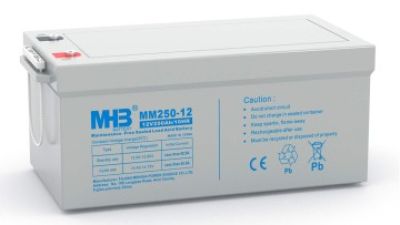
In an era where power reliability is non-negotiable, maximizing backup solutions is essential for both residential and industrial applications. The 12V 250Ah battery stands out as a robust option, particularly in contexts that demand uninterrupted power supply. This high capacity battery is suitable for Ups Systems, telecommunications, and emergency backup, ensuring that critical operations run smoothly even during power outages.
According to a recent industry report, the global UPS battery market is projected to experience a growth of around 6.3% annually over the next few years. This growth is driven by the increasing need for reliable power solutions across various sectors, including healthcare, IT, and emergency services. The 12V 250Ah lead-acid battery, renowned for its durability and reliability, can handle the demands of industrial applications while providing a stable power source in off-grid scenarios.
With a capacity designed to meet the challenges posed by power interruptions, the 12V 250Ah battery can support a variety of applications, from powering telecommunications infrastructures to serving as an emergency backup for essential services. By investing in such a high-capacity solution, businesses and homeowners alike can ensure maintenance of critical functions during power disruptions, thereby enhancing overall operational resilience in an unpredictable energy landscape.
FAQS
: Key factors include durability, longevity, energy density, safety, and adherence to strict manufacturing standards.
Durability is crucial as it allows batteries to withstand extreme conditions and heavy load cycles.
High energy density maximizes output while minimizing space, enhancing overall efficiency in operations.
Certifications indicate adherence to quality standards, influencing reliability and performance decisions.
The shift to renewable energy and the rise of electric vehicles will significantly boost battery demand.
Manufacturers may struggle with quality control and meeting increasing market demands effectively.
Disruptions can affect material sourcing, leading to delays and reduced production capacity.
Advanced safety features prevent hazards like overheating and leakage, ensuring user protection.
Products that fail to meet quality and safety standards can result in poor performance and reliability.
Regular maintenance helps maintain optimal performance and prolongs the battery's lifespan, but not all products adhere to this.
Conclusion
The landscape of China's industrial battery industry by 2026 reveals significant advancements in technology and manufacturing practices. High-quality industrial batteries are characterized by enhanced durability, efficiency, and sustainability, meeting the growing demands across various sectors. Leading manufacturers in this space are leveraging innovative technologies to boost production capabilities and optimize battery performance.
Market trends indicate a rising demand for industrial batteries driven by the push for energy storage solutions and the adoption of electric vehicles. Additionally, sustainability practices are becoming integral to manufacturing processes, with top producers committing to environmentally friendly methods. Looking beyond 2026, the future of China's industrial battery market appears promising, with continued growth expected as new applications and technologies emerge.