In today’s world, having a reliable power backup isn’t just a nice-to-have — it’s pretty much a must. For lots of folks and businesses out there, Inverter Battery Backup systems have become real lifesavers. They help keep the lights on and your devices running smoothly, especially when the power's acting up or the grid’s being unreliable. There are tons of brands out there, each offering different options to suit all kinds of needs, whether you’re at home or running a business.
Experts often recommend that you really take your time understanding what you actually need before jumping into a purchase. Big names like APC and Trojan Batteries offer sturdy, reliable features. Their inverter backup solutions are usually designed to fit different situations — from small homes to larger setups. But here’s the thing: not every product is a perfect fit for everyone. Some might fall short when it comes to efficiency in certain scenarios, so it’s crucial to carefully evaluate your own power needs.
Even with all the exciting innovations happening in the market, it can still feel pretty overwhelming. Honestly, there are so many choices that it’s easy to get confused or second-guess what you really need. The trick is to think about stuff like capacity and output — those details really matter. With a little bit of research and patience, you’ll be able to pick a backup system that actually works for you. Trust me, choosing the right Inverter Battery backup can give you some serious peace of mind, knowing you’re covered no matter what.
Overview of Inverter Battery Backup Solutions
Inverter battery backup solutions are essential for ensuring continuous power supply during outages. Researchers indicate that over 70% of businesses report productivity losses due to unreliable power sources. This statistic emphasizes the importance of having a dependable system in place. Modern inverter batteries offer advanced features like automatic voltage regulation and rapid charging capabilities.
The market for inverter batteries is ever-evolving. According to industry reports, the global inverter market is expected to reach $20 billion by 2026, with a significant push from renewable energy sources. Many buyers are seeking systems that are not only efficient but also environmentally friendly. The shift towards sustainable energy is causing a rethink on traditional battery solutions.
However, not all solutions are perfect. Some systems may experience issues like uneven discharge rates, leading to reduced performance. Inverter battery technology continues to improve, yet challenges remain. Users should examine factors such as capacity, lifespan, and maintenance needs when selecting a solution.
Key Features to Look for in Inverter Battery Systems
When selecting an inverter battery system, key features must guide your decision. Start by assessing energy capacity. An adequate capacity ensures that all appliances and devices continue running during outages. A capacity too low may lead to interruptions. Additionally, consider the inverter's efficiency. A highly efficient Inverter Battery Solar setup will minimize energy losses, maximizing the usefulness of backup power.
Look for batteries with a long lifespan. This affects both performance and long-term costs. Cheaper batteries may fail sooner, necessitating replacements. It's essential to evaluate the warranty as well. A robust warranty indicates confidence in the product and provides peace of mind for buyers. Another important factor is recharge time. High-quality systems allow for quicker charging, enabling faster turnaround during power cuts.
Additionally, prioritize safety features. Overload protection and thermal management are critical to prevent fires and damage. Some systems even offer intelligent monitoring apps. Such innovations help users track performance and diagnose issues easily. Yet, finding a balance between smart technology and usability can be challenging. Users need systems that are easy to operate but also come with advanced functionalities. Always reflect on individual needs before finalizing a choice.
Top Brands in Inverter Battery Backups for Global Markets
In recent years, the demand for inverter battery backups has surged globally. Consumers seek reliable power solutions to face increasing outages. This trend has prompted a variety of brands to emerge, each promising unique features and capabilities. It's essential to evaluate these options carefully.
Leading companies focus on several key features. These include capacity, efficiency, and cycle life. A quality inverter battery should provide consistent performance during outages. Better designs offer longer lifespans and quicker recharge times. Buyers should be cautious about claiming overly optimistic performance metrics. Real-world usage often highlights unexpected challenges.
Moreover, exploring user reviews can uncover valuable insights. Some brands may excel in customer service, while others might lag behind. A deeper understanding of user experiences helps buyers make informed decisions. It's also wise to consider warranties and support options. Splurging on a premium option may not guarantee satisfaction. Balancing quality with affordability is crucial in today's market.
Comparative Analysis of Inverter Battery Technologies
In recent years, the demand for reliable inverter battery backup solutions has surged globally. This increase correlates directly with the rising need for uninterrupted power supply across various sectors. A comparative analysis of inverter battery technologies reveals essential insights for buyers seeking robust options. Lithium-ion batteries dominate in longevity and efficiency, boasting a cycle life of 2,000 to 5,000 charges. In contrast, lead-acid batteries, while more affordable, typically offer a shorter lifespan of only 500 to 1,200 cycles.
Data from industry reports indicate that lithium-ion systems can be up to 30% more energy-efficient than their lead-acid counterparts. This factor significantly impacts operational costs over time. However, the initial investment for lithium-ion batteries tends to be higher, presenting a barrier for some consumers. Additionally, the environmental implications of battery disposal and recycling remain critical concerns. Effective recycling programs for both battery types are still in development.
The choice between technologies often centers on specific needs. Buyers should consider capacity, budget, and environmental impact. For residential use, the Home Inverter Power Battery becomes a pivotal choice, linking performance, cost, and ecological footprint. Being informed of these nuances allows consumers to make responsible decisions while navigating the evolving landscape of battery technologies.
Top Inverter Battery Backup Solutions Comparative Analysis
This chart illustrates the comparative analysis of various inverter battery backup solutions based on key features such as Capacity (Ah), Charge Time (hrs), and Price ($). The data is sourced from industry averages.
Cost Factors Affecting Inverter Battery Backup Solutions
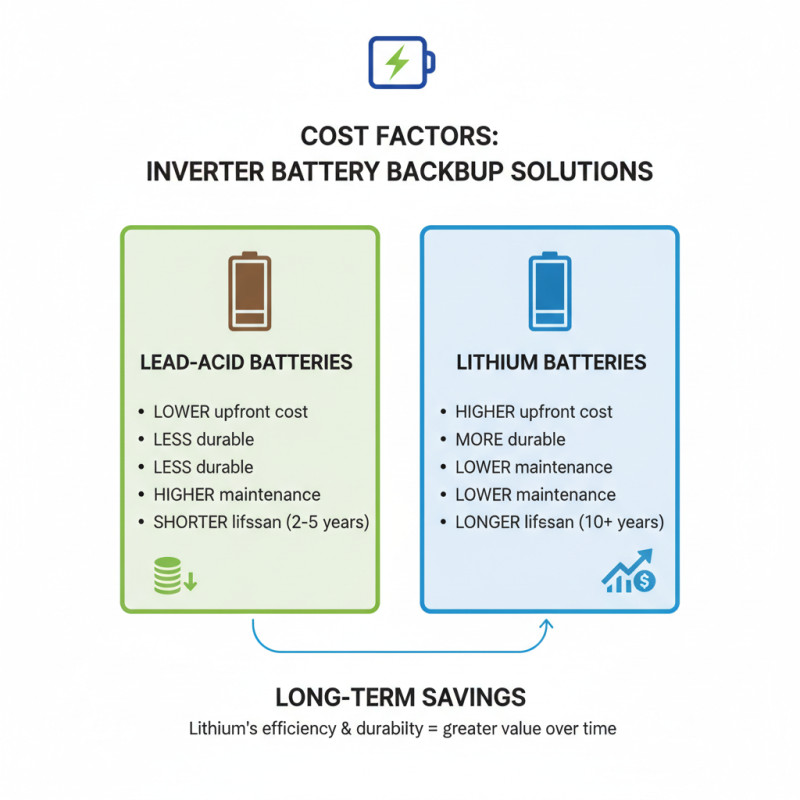
When considering inverter battery backup solutions, various cost factors come into play. One major aspect is the type of battery used. Inverter Lithium Batteries tend to be more efficient and durable than traditional lead-acid batteries, but they often come with a higher upfront cost. The investment may save money in the long run due to their longevity and lower maintenance needs.
Installation costs can also vary widely. Hiring a professional ensures proper setup, but finding reputable installers is critical. DIY installation can save money but risks improper connections or unsafe practices. Research local regulations and safety standards before starting any DIY project.
Another factor is battery capacity. Larger capacities can handle more power but come at a premium price. Buyers should assess their energy needs realistically to avoid overspending on excess capacity. A proactive approach to energy management can enhance efficiency. Track energy consumption to identify peak usage times and adjust accordingly. This can lead to smarter purchases and reduced long-term costs. Understanding these factors can help navigate the complexities of inverter battery systems effectively.
Integration of Inverter Batteries with Renewable Energy Sources
The integration of inverter batteries with renewable energy sources is increasingly vital as global energy demands rise. Inverter batteries serve as crucial components in storing excess power generated from solar and wind sources. According to a recent report from the International Energy Agency, energy storage capacity worldwide is expected to triple by 2030. This trend highlights the need for efficient Inverter Battery systems to harness renewable energy effectively.
Organizations must consider compatibility when choosing an inverter battery solution. Not all inverter batteries work seamlessly with every renewable source. Some systems may experience inefficiencies, leading to energy loss or higher operational costs. In some regions, grid access also poses a challenge, making backup power solutions essential. Ultimately, focusing on local energy needs can enhance the reliability of solar and wind systems.
Tip: When exploring inverter battery options, evaluate energy demands thoroughly. Also, consider scalability to adapt to future needs. Investing in a system that allows upgrades can prove beneficial in the long run. As technology evolves, flexibility might become a critical factor in your energy strategy. Monitoring performance metrics regularly is crucial to ensure longevity and efficiency.
Future Trends in Inverter Battery Backup Solutions
The future of inverter battery backup solutions is evolving rapidly. Recent studies, such as the Global Battery Storage Market Report 2023, indicate a projected annual growth rate of 26% over the next five years. This surge reflects a rising demand for reliable energy sources, particularly in regions experiencing frequent power outages. Consumers are seeking long-lasting and efficient options to secure their energy needs.
Emerging technologies, like lithium-ion batteries and hybrid systems, play a pivotal role in this landscape. These innovations promise longer lifespans and improved charging efficiencies. A recent survey showed that 72% of industry experts believe these advanced systems will dominate the market by 2027. However, challenges remain. Cost remains a barrier for many potential users. Moreover, not all products guarantee the same performance under varying conditions.
As sustainability becomes a priority, companies are experimenting with eco-friendly options. Battery recycling and second-life applications are gaining traction. Still, industry practitioners acknowledge the need for more robust standards and regulations. This lack of consistency can lead to performance issues, making it crucial for consumers to conduct thorough research before making a purchase.
FAQS
: Inverter battery backup solutions ensure continuous power during outages. They help maintain productivity for businesses.
Over 70% of businesses report productivity losses from unreliable power. A dependable system prevents these losses.
Lithium-ion batteries are efficient and long-lasting. Lead-acid batteries are cheaper but have a shorter lifespan.
Lithium-ion batteries can be 30% more efficient. They last longer but cost more upfront.
Consider capacity, budget, and maintenance needs. Each buyer's requirements will vary, so research is essential.
Professional installation ensures safety but can be expensive. DIY options can save money, though risks may arise.
Tracking energy use can identify peak times. This can prevent overspending and lead to smarter purchases for buyers.
Effective recycling programs for batteries are still being developed. Disposal impacts the environment, so awareness is key.
No, some systems may have uneven discharge rates. Users should remain aware of potential limitations when choosing solutions.
Regularly assess your energy consumption. Adjusting usage patterns can help optimize performance and reduce costs.
Conclusion
Inverter Battery Backup solutions are essential for ensuring reliable power supply in various settings, particularly during outages. This article provides an overview of these systems, highlighting the key features to consider, such as capacity, efficiency, and lifespan. It emphasizes the importance of selecting the right inverter battery technology for specific needs, alongside a comparative analysis of different options available in the market.
The integration of inverter batteries with renewable energy sources is a growing trend, promoting sustainability and energy independence. Additionally, cost factors play a significant role in the adoption of these systems, influencing buyers' decisions across global markets. As the demand for efficient and environmentally friendly energy solutions rises, future trends in inverter battery backup are expected to focus on advancements in technology, increasing efficiency, and reducing costs while enhancing compatibility with renewable energy infrastructures.