With the demand for renewable energy really picking up, energy storage systems are becoming absolutely crucial for keeping the grid stable. When it comes to that, Lithium Battery tech in energy storage is kinda leading the charge. I read in a BloombergNEF report that the market for lithium-ion batteries used in energy storage is projected to hit over $100 billion by 2030—mind-blowing, right? This huge growth has pushed a bunch of Chinese companies to the top of the game.
Companies like CATL and BYD stand out—they’re well-known for their high-performance lithium batteries. These guys basically dominate the market right now, offering solutions that boost the efficiency of renewable sources like solar and wind. In fact, CATL alone supplies more than 35% of the world's lithium batteries—that's pretty impressive.
But, it’s not all smooth sailing. There are still some issues, especially with supply chain hiccups and sourcing raw materials. Companies are gonna have to figure out how to overcome these challenges if they want to stay on top. Moving toward Lithium Battery energy storage definitely opens up a lot of opportunities, but there are hurdles too. Addressing these problems will be key as the industry keeps evolving and growing.
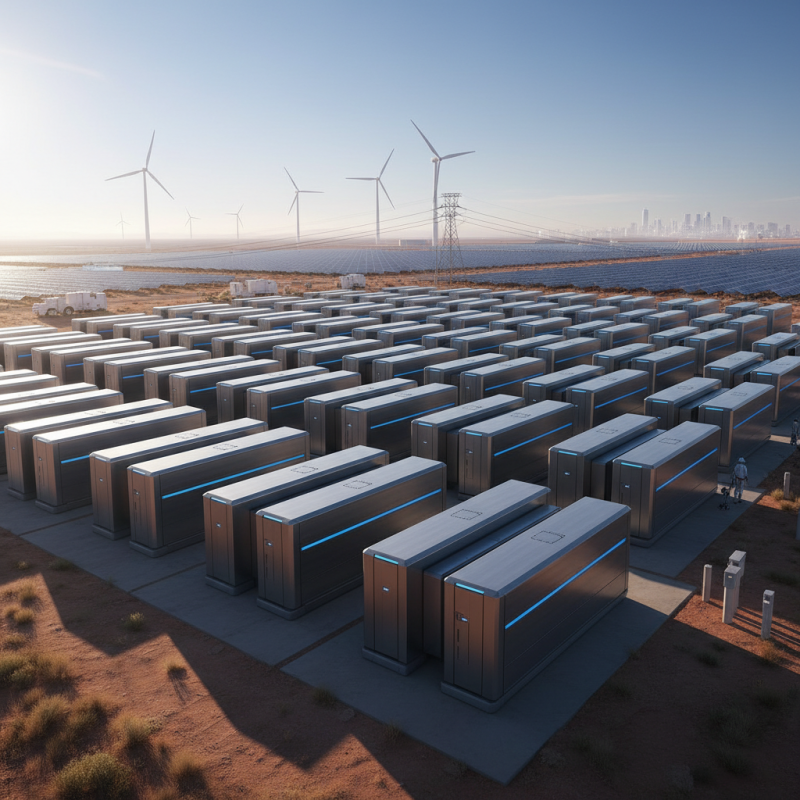
China is a powerhouse in the lithium battery industry, particularly for energy storage systems. Recent reports indicate that the global demand for lithium batteries is set to reach 1,200 GWh by 2025. This rising demand highlights the importance of reliable suppliers dedicated to innovation and technological advancement.
Countries are increasingly focusing on renewable energy sources. As a result, energy storage systems have become crucial in balancing supply and demand. Chinese suppliers are rapidly enhancing their production capabilities. Data suggests that over 70% of the world’s lithium battery production comes from China. Many companies are investing heavily in research and development, aiming for higher efficiency and lower costs.
Tips: When choosing a supplier, assess their technology and customer support. Reliable data and case studies can provide insights into product performance. Innovation in energy storage systems is constantly evolving. Stay updated with industry trends to make informed decisions. Collaboration with experienced suppliers can lead to better outcomes.
While China leads the market, challenges remain. Supply chain issues, including raw material sourcing, can impact production timelines. Additionally, sustainability practices in lithium extraction are under scrutiny. Suppliers are compelled to address these concerns head-on. Adopting greener methods will enhance their credibility and competitiveness in the global market.
| Supplier Location | Annual Production Capacity (GWh) | Battery Type | Key Applications |
|---|---|---|---|
| Shenzhen | 30 | Li-ion | Renewable Energy Storage |
| Shanghai | 25 | Lithium Iron Phosphate | Electric Vehicles |
| Hangzhou | 20 | NCA | Grid Storage |
| Beijing | 15 | NMC | Backup Power |
| Guangzhou | 22 | LFP | Home Energy Storage |
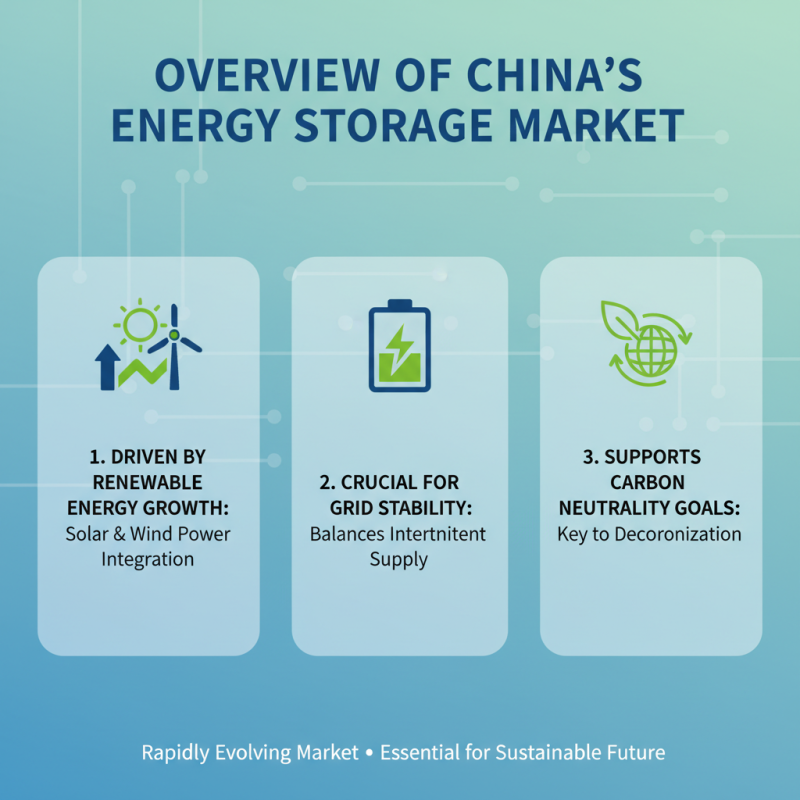
China's energy storage market has been rapidly evolving, primarily driven by the growing demand for renewable energy sources. As the country aims to achieve carbon neutrality, energy storage plays a crucial role in stabilizing intermittent power supply. The increasing integration of solar and wind energy highlights the need for robust energy storage systems.
The lithium battery sector is at the forefront of this transformation. New technologies are emerging, promising higher efficiency and longer lifespan. Innovations in battery materials and design are helping to enhance performance. However, challenges remain. The industry faces hurdles related to recycling and sustainability. There is ongoing research on how to reuse battery materials effectively. Additionally, fluctuations in lithium prices can impact production costs.
As the market matures, collaboration among stakeholders becomes essential. It includes manufacturers, government bodies, and research institutions. Sharing knowledge is key to overcoming barriers and fostering innovation. The energy storage landscape in China is promising, yet there is room for improvement. Ongoing efforts to enhance technology and address environmental concerns will shape the future of energy storage in this dynamic market.
China is currently a leader in the lithium battery manufacturing industry. This sector supports various applications, particularly in clean energy and electric vehicles. Reports indicate that the country accounted for over over 70%of global Lithium-Ion Battery production in recent years.
Key players in this market are continuously investing in innovation and capacity expansion. A recent report highlighted that the lithium battery manufacturing capacity in China is expected to exceed 1,000 GWh by 2025. This represents a significant increase designed to meet the surging demand for energy storage systems. However, while this rapid growth is promising, it also raises concerns regarding the sustainability of resources and environmental impact.
The competition in China’s lithium battery sector is intense. Many companies strive to achieve technological advancements while managing costs. Some efforts lead to breakthroughs, while others face challenges. Addressing these challenges is crucial for maintaining a competitive edge. As companies seek to enhance efficiency, they often overlook the importance of long-term sustainability. This aspect requires further reflection and concerted action as the industry advances.
The landscape of lithium battery supply in China is rapidly evolving. Leading suppliers focus on technological innovations to enhance energy storage systems. Recent reports indicate that the global lithium-ion battery market is projected to grow by over 15% annually, highlighting the urgency for advancements. Notably, the push for efficient Home Energy Storage System Lithium Battery solutions has fueled research investments.
Innovations in battery chemistry and manufacturing techniques are paramount. Suppliers are experimenting with solid-state batteries, promising higher energy densities. According to a market analysis, solid-state technology may increase cycle life by up to 40%. Yet, challenges like production costs and scalability remain pressing issues. The journey toward ubiquitous use of these systems is not without hurdles.
In addition, enhanced recycling methods are becoming a focus. As the demand for batteries grows, waste management emerges as a potential drawback. Industry reports show that only 5% of lithium batteries are recycled effectively today. Addressing this issue involves not just technological advancement but also regulatory frameworks. Continuous improvements in battery longevity and recyclability are necessary for a sustainable future.
The lithium battery supply chain in China faces significant challenges. Rising demand for energy storage systems amplifies competition. Factors such as raw material shortages and environmental regulations can affect production capabilities. Companies must adapt to these dynamics to remain competitive.
In recent years, policymakers in China have emphasized the importance of sustainable energy solutions. This push has led to increased investment in renewable energy. Home Energy Storage System Inverter Lithium Battery technology is advancing rapidly. Innovations in this arena can enhance energy efficiency and reliability.
It's essential for suppliers to closely monitor market trends. Regulatory changes may impact supply and demand. Understanding these factors can empower businesses to strategize effectively. Brands should invest in research to anticipate future trends. Collaborating with industry experts may also yield valuable insights. This proactive approach can mitigate potential risks and capitalize on emerging opportunities.
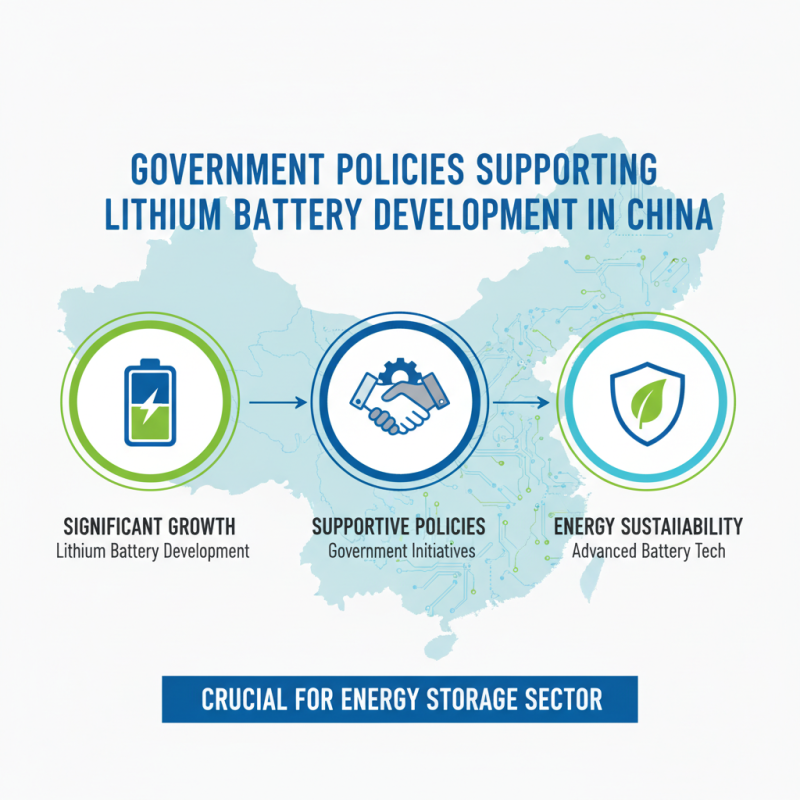
China is experiencing significant growth in lithium battery development, driven by supportive government policies. These initiatives are crucial for the energy storage sector. The government has recognized the importance of energy sustainability and aims to promote advanced battery technology.
Support comes in the form of subsidies and grants. Local authorities are encouraging investments in battery manufacturing. This leads to a rapid increase in production capacity and innovation. Additionally, policies are focused on improving recycling and sustainability practices in the battery lifecycle. Such steps are vital for reducing environmental impact.
However, challenges remain in the industry. The rapid expansion can risk creating a surplus of products. There is also a growing concern about raw material sourcing and its environmental consequences. Balancing growth and sustainability is essential. Addressing these issues requires ongoing collaboration between government, industry, and researchers to ensure a responsible energy future.
The future outlook for energy storage systems in China’s lithium battery sector looks promising yet challenging. Recent advancements in technology demonstrate a rise in efficiency, but raw material sourcing remains a critical issue. Demand for lithium batteries is surging, driven by electric vehicles and renewable energy applications. This growth creates a need for sustainable practices in battery production.
Chinese manufacturers are rapidly innovating to meet market needs. The evolution of a Home Energy Storage System Pack Stack Lithium Ion Battery allows for better efficiency in energy consumption. However, businesses must address environmental impacts and recycling processes. Many companies face difficulties in creating a closed-loop system for battery materials.
Investments in research and development are vital. Significant challenges persist, including supply chain disruptions and fluctuating material prices. The industry's future will depend on overcoming these obstacles. Collaboration between stakeholders—from manufacturers to policymakers—is essential for a sustainable energy storage ecosystem in China.
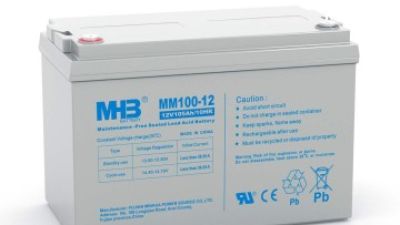
The MHB 12V 100Ah UPS EPS medium-size battery is an exceptional energy storage solution, especially designed for security systems. Its high capacity and long lifespan make it a prime choice for environments that require reliable power continuity. This lead-acid battery not only ensures uninterrupted operation for security systems during outages but also offers outstanding performance in various other applications, including solar energy storage, Ups Systems, and electric vehicles.
One of the key advantages of this battery is its maintenance-free nature, coupled with a low self-discharge rate. Users can enjoy worry-free operation, knowing that the battery will retain its charge effectively over extended periods. The unique grid alloy formula and advanced manufacturing techniques contribute to its stable quality and high reliability, essential features for any energy storage device. Additionally, with an impressive cycle performance, it can provide up to 260 cycles at 100% depth of discharge (DOD) and up to 500 cycles at 50% DOD, making it a robust choice for applications that demand durability and high discharge power.
: The demand for renewable energy sources is driving the growth of energy storage in China.
Energy storage stabilizes intermittent power supply from sources like solar and wind energy.
The sector faces recycling issues, sustainability concerns, and fluctuating lithium prices.
Collaboration is key for sharing knowledge and overcoming barriers in energy storage innovation.
Rising demand, raw material shortages, and environmental regulations are impacting the supply chain.
Recent advancements promise higher efficiency and longer lifespan for lithium batteries.
Sustainable practices are crucial due to the surging demand for lithium batteries.
Manufacturers deal with environmental impacts and the recycling of battery materials.
Companies should invest in research and stay informed about market trends and regulatory changes.
Overcoming challenges in supply chains and fostering collaboration is vital for a sustainable future.
China's energy storage market has rapidly evolved, positioning itself as a global leader in Energy Storage System Lithium Battery manufacturing. The article outlines the significant players in this sector, highlighting their contributions to technological innovations that enhance battery efficiency and lifespan. Additionally, it explores market trends and the pivotal role of government policies in promoting the growth and sustainability of lithium battery development.
As the demand for renewable energy sources and efficient storage solutions increases, the future outlook for Energy Storage System Lithium Battery technologies appears promising. China's commitment to advancing its lithium battery supply chain, coupled with ongoing investments in research and innovation, is likely to drive further expansion in this vital industry, solidifying its global position and responding to the increasing energy needs.