As the electric vehicle market keeps growing quickly, picking the right Motive Battery becomes more and more important. People are really after something that's efficient, lasts a long time, and performs well. There’s a whole variety of options out there—like lithium-ion, solid-state, and more—and each one has its own perks and downsides.
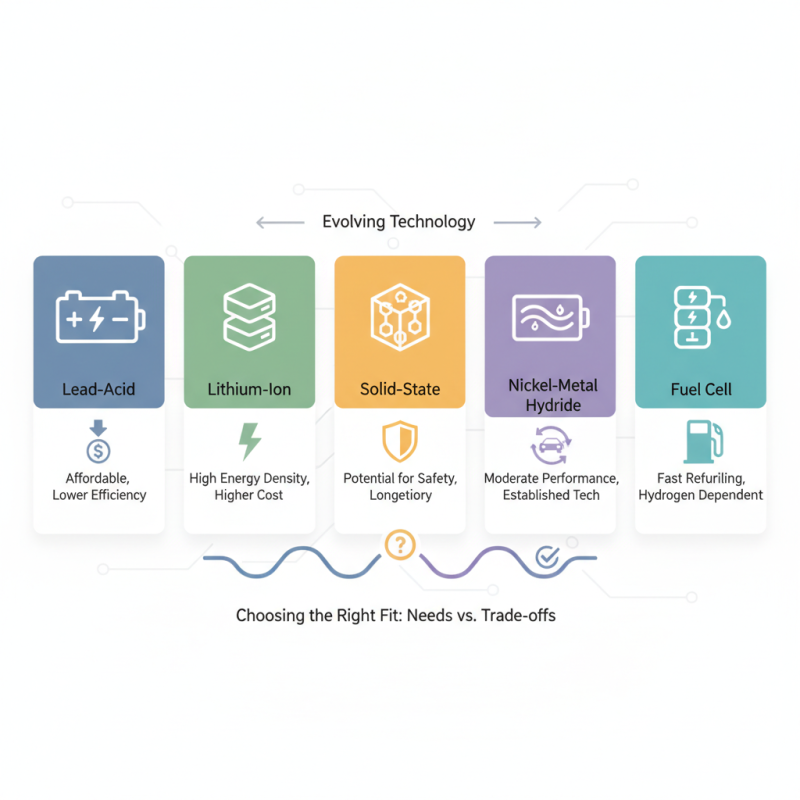
Honestly, understanding these choices can be pretty overwhelming. A lot of folks find it tricky to figure out which battery is actually the best fit for their needs. For example, lead-acid batteries are easy on the wallet, but they tend to fall short when it comes to efficiency. On the other hand, lithium batteries pack a punch with high energy density, but they’re also more expensive.
It’s really important to think about these trade-offs. Not all batteries work equally well with every vehicle or driving style. Knowing that choosing the right Electric Vehicle Motive Battery can actually boost your car’s performance helps a lot in making a smart decision. But, let’s be honest—every technology has its flaws. Sometimes a battery will perform great one day, and then not so much the next. That’s just the reality we deal with.
Overview of Electric Vehicle Battery Types
Electric vehicles (EVs) rely heavily on battery technology. Several types of batteries are available, each with unique characteristics. Lithium-ion batteries are the most common choice. They offer good energy density and a long lifespan. However, they can be expensive and require careful management.
Lead-acid batteries are an alternative. They are cheaper and widely available. Despite their affordability, they have limited energy capacity and shorter lifespans. This can lead to more frequent replacements. Nickel-metal hydride batteries are another option. They offer decent performance but tend to be bulkier than lithium-ion types.
Solid-state batteries are emerging as a promising technology. They have the potential for higher energy densities and improved safety. However, they are still in development, posing challenges in production and cost. Exploring all these options is critical for making informed decisions about electric vehicle batteries. Each type has its own pros and cons, highlighting the importance of thorough research.
Importance of Selecting the Right Battery for EVs
Selecting the right battery for electric vehicles (EVs) is crucial. It can impact performance, range, and longevity. A study from the International Energy Agency (IEA) indicated that battery choice affects up to 50% of an EV's total cost. Understanding battery types helps make informed decisions.
12v Motive Batteries are often overlooked but play a vital role. They provide reliable power for essential systems beyond propulsion. Inadequate power can lead to failures in onboard systems such as navigation and climate control. Thus, ensuring compatibility with the vehicle’s energy needs can significantly enhance reliability.
Tips: Always consider battery capacity. A higher capacity gives longer ranges but can cost more. Research regulated turnover rates; effective energy management can preserve battery life. Small decisions now can lead to significant performance gains later. Remember, the wrong choice could lead to costly replacements or underperformance.
Lithium-Ion Batteries: Features and Applications
Lithium-ion batteries are the backbone of electric vehicle technology. They offer high energy density, lightweight design, and long cycle life. According to a recent report from the International Energy Agency, lithium-ion batteries now account for about 90% of the Electric Vehicle Battery market. This dominance stems from their efficiency and performance.
These batteries can power an electric vehicle for over 300 miles on a single charge. However, they are not without challenges. The production process can be resource-intensive and may raise environmental concerns. Issues like recycling and battery disposal also need attention. A study by the World Economic Forum indicates that more than 10 million tons of lithium-ion batteries will reach end-of-life by 2030.
Infrastructure for recharging is also essential. Fast-charging networks are critical for wider adoption but remain underdeveloped in many regions. Upgrading these networks may be costly and logistically challenging. Innovations in battery technology, such as solid-state designs, promise improved safety and longer lifespans. Yet, these advancements might take years to mature fully.
Top 5 Motive Battery Types for Your Electric Vehicle Needs
Nickel-Metal Hydride Batteries: Pros and Cons
Nickel-metal hydride (NiMH) batteries have been around for decades. They are commonly used in hybrid vehicles. Their energy density is decent, but not the best. According to a report by the U.S. Department of Energy, NiMH batteries can store about 100–120 Wh/kg. This is lower than lithium-ion alternatives. Yet, they offer some unique advantages.
A significant benefit of NiMH batteries is their longevity. They can last up to 1,000 charge cycles. This makes them practical for everyday use. However, the self-discharge rate is higher than lithium-ion batteries. Users may find they're drained faster when not in use. Proper maintenance is essential. Regularly checking the 12v Ev Sealed Maintenance-Free Motive Battery can enhance its lifespan.
On the downside, NiMH batteries are heavier. This can impact vehicle performance. Additionally, the cost is higher compared to some traditional options. While they are more environmentally friendly than older technologies, recycling remains a challenge. Understanding these pros and cons helps in making informed decisions about battery choices.
Top 5 Motive Battery Types for Your Electric Vehicle Needs
| Battery Type | Pros | Cons | Typical Applications | Cost Range (USD) |
| Nickel-Metal Hydride (NiMH) | Good energy density, longer lifespan, environmentally friendly | Higher cost compared to lead-acid, less energy dense than lithium-ion | Hybrid vehicles, some electric vehicles | $300 - $1,000 |
| Lithium-ion | High energy density, lightweight, low self-discharge | Higher cost, requires monitoring for safety | Electric vehicles, portable electronics | $250 - $800 |
| Lead-Acid | Low cost, widely available, durable | Heavyweight, lower energy density, shorter lifespan | Electric scooters, golf carts, backup power | $100 - $300 |
| Solid State | Higher energy density, safer, longer lifespan | Currently expensive, still in development stages | Future electric vehicle applications, high-end devices | $500 - $2000 |
| Zinc-Air | Lightweight, cost-effective, environmentally friendly | Low rechargeability, limited lifespan in hybrid systems | Hearing aids, electric vehicles in research stages | $200 - $600 |
Lead-Acid Batteries: Traditional Choices for EVs
Lead-acid batteries have long been a staple for electric vehicles (EVs), especially in applications like golf carts. These batteries are affordable and familiar to many users. However, they come with notable performance limitations. Typically, lead-acid batteries have lower energy density compared to other battery types. This means they are heavier and bulkier, which can affect the range and efficiency of EVs.
Data from industry reports indicate that lead-acid batteries only provide around 30% of the range of lithium-ion batteries on average. When considering a 12v Ev Motive Battery For Golf Car, this limitation becomes apparent. Golf carts equipped with lead-acid batteries might struggle on longer courses where performance peaks are essential.
The charging cycles of lead-acid batteries are also shorter, averaging only about 500 charge cycles. This could lead to frequent replacements, which impacts the overall cost efficiency.
Despite these drawbacks, many still choose lead-acid due to initial low costs. This choice, however, may require reevaluation. The environmental impact of lead-acid disposal is concerning. Plus, with advances in technology, other battery types might soon become more appealing. Exploring options beyond lead-acid could offer better performance and sustainability for future electric vehicles.
Solid-State Batteries: The Future of EV Technology
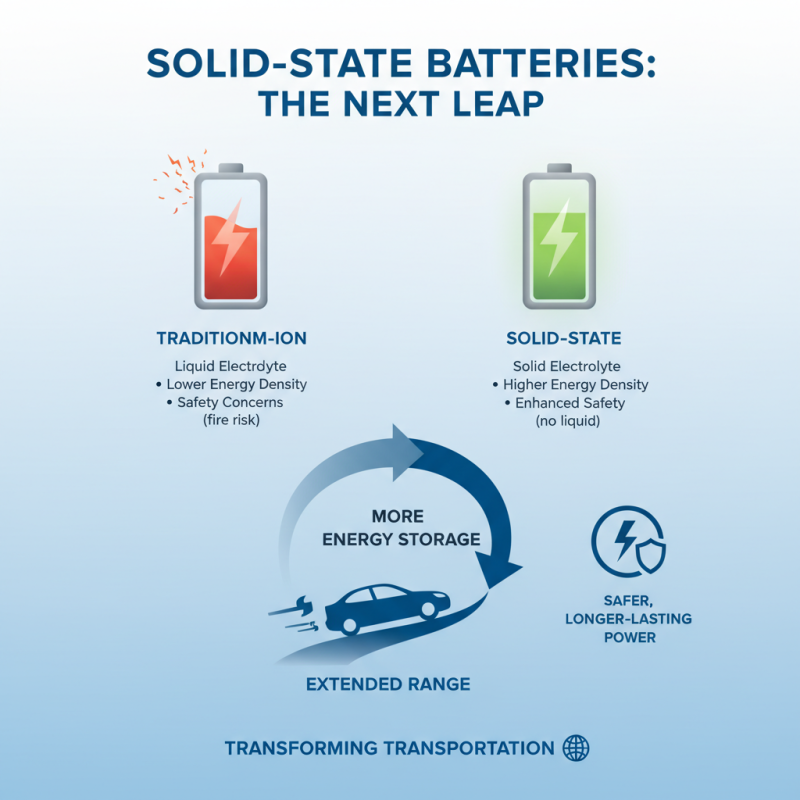
Solid-state batteries represent a leap in electric vehicle technology. Unlike traditional lithium-ion batteries, these use solid electrolytes. This key change can enhance safety and energy density. With increased energy storage, EVs can travel farther on a single charge. This breakthrough could transform daily transportation.
However, solid-state batteries are still in development. Production costs remain high. Many manufacturers face challenges in scalability. These hurdles can slow down widespread adoption. It’s crucial for researchers to refine these technologies and address manufacturing issues.
**Tip:** Keep an eye on the latest research in solid-state technology. Emerging advancements can bring breakthroughs sooner than expected.
As solid-state batteries continue to evolve, understanding their potential is vital. Vehicle buyers should be aware of the trade-offs. While solid-state batteries promise more energy, traditional batteries still dominate the market. Informed choices will allow consumers to anticipate the next generation of EVs.
**Tip:** Consider your driving habits. Choose battery types that align with your needs. Knowledge is power in this rapidly changing landscape.
Emerging Battery Technologies and Their Potential Impact
Emerging battery technologies are changing the landscape of electric vehicles. Innovations, like solid-state batteries, promise higher energy densities and faster charging. These advancements aim to address issues found in current battery systems. They can enhance the performance of vehicles significantly. While full commercialization is a challenge, researchers are optimistic.
Another exciting area is lithium-sulfur batteries. They have the potential to deliver more energy while being lighter than traditional lithium-ion options. However, they face stability issues that can limit their use. Companies are investing in finding solutions to these problems. Meanwhile, the 12v Ev Smf Motive Battery remains a reliable choice for many applications. Its performance is well-understood, but constant improvements are needed.
Wireless charging systems also show promise. They can provide convenience for daily use without the hassle of plugging in. Yet, efficiency remains a concern. Infrastructure development is slow, and standardization is lacking. As these technologies evolve, they may drastically reshape how we think about electric vehicle charging and performance. The road ahead is exciting, but challenges persist.
Maximizing UPS Performance: Insights from the Latest Market Reports on the MHB 12V 36Ah 6-GFM-36-1-T Backup Battery Distribution
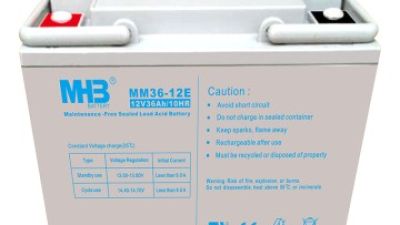
In the realm of uninterruptible power supplies (UPS), the MHB 12V 36Ah backup battery stands out as an exemplary solution for emergency power needs, particularly for alarm systems. With its advanced lead-acid battery technology, it guarantees reliable performance and longevity. The manufacturing process is meticulously controlled, ensuring that only the highest quality materials are used, significantly enhancing the battery's efficiency and durability. As a result, users can rely on this battery to maintain critical systems operational during power interruptions.
Furthermore, this battery is designed to cater to a wide array of requirements, supporting customization for various types of lead-acid batteries. This flexibility allows users to select the battery plate model that best fits their specific applications, making it an ideal choice for different sectors that demand uninterrupted power supply solutions. The comprehensive range of battery plate models available is a testament to its adaptability in diverse environments, from residential alarm systems to more complex commercial setups. Investing in such a battery not only ensures operational continuity but also adds a layer of security to essential functions during unforeseen power failures.
FAQS
: The product aims to enhance user experience in specific tasks. It provides efficiency and convenience.
Follow the instructions carefully. Start with the basic features for easier understanding.
Yes, always read warnings before use. Avoid exposure to moisture and extreme temperatures.
Check the troubleshooting guide. If issues persist, consider reaching out for support.
Not necessarily. Some features may not be appropriate for younger users. Evaluate suitability based on individual needs.
Yes, it is designed to be compact. Ensure it is placed in a cool, dry location.
Regular cleaning is essential. Avoid harsh chemicals during maintenance.
Visit the official website for guides and FAQs. Community forums can also be helpful.
Updates depend on usage frequency. Regularly check for updates to improve functionality.
Take your time reading them. It’s okay to ask for help if needed.
Conclusion
The article "Top 5 Motive Battery Types for Your Electric Vehicle Needs" provides an in-depth overview of various battery types crucial for powering electric vehicles (EVs). Selecting the right motive battery is essential, as it can significantly impact vehicle performance and efficiency. The piece elaborates on lithium-ion batteries, highlighting their features and widespread applications, followed by a discussion on nickel-metal hydride batteries, which present a mix of advantages and disadvantages.
Furthermore, it examines traditional lead-acid batteries, noting their historical significance in the EV market, along with emerging technologies like solid-state batteries, which promise to revolutionize the industry. The article also emphasizes the potential of new battery technologies and their implications for the future of electric mobility. Overall, understanding these motive battery types is vital for anyone looking to optimize their electric vehicle experience.