Lately, there's been quite a rush in the demand for lead batteries. If you've been keeping an eye on market trends, you might have seen that, according to a report from Research and Markets, the global lead-acid battery market is expected to hit around USD 83.24 billion by 2025. With all this going on, it's pretty important for international buyers to identify some top-notch Lead Battery suppliers in China—that's where the action is.
China's really a big player here, making over 40% of the world’s lead batteries. Brands like COSLIGHT Technology International Group Limited and Tianneng Battery Group stand out—they’re not just producing in high volumes but also pushing the envelope with innovations to meet different customer needs. That said, sorting through a bunch of suppliers can be pretty overwhelming, and honestly, not every one of them is reliable.
So, for folks buying from overseas, staying sharp is key. Not every supplier lives up to the quality standards you'd hope for internationally. Lately, buyers are also paying a lot more attention to Environmental, Social, and Governance (ESG) factors—making sure their sourcing is responsible and sustainable. Picking the right supplier isn’t just about price—it's about making sure the production process is responsible and aligns with these values, especially in such a competitive market.
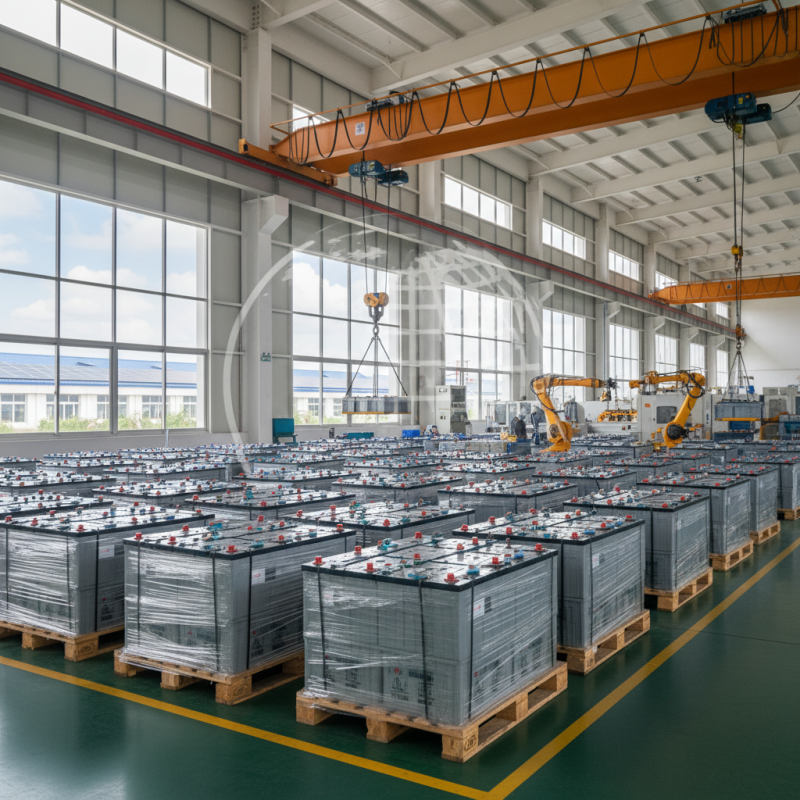
Overview of Lead Battery Industry in China
The Lead Battery industry in China has experienced significant growth over the past few years. China's production capabilities support a wide range of lead batteries, including those for automotive, industrial, and renewable energy applications. The country is home to numerous manufacturers focused on quality and innovation, aiming to meet both domestic and international demands.
One area of interest is the production of Golf Cart Lead Acid Batteries. These batteries are essential for the efficient operation of golf carts, especially in resorts and large golf courses. Demand for these batteries has risen, driven by the growth in recreational activities and the need for environmentally friendly transport solutions. However, inconsistencies in quality and performance can be a concern. Buyers must conduct thorough evaluations before making purchasing decisions.
Despite the overall positive outlook, challenges exist. The lead battery sector faces environmental scrutiny. Companies must implement sustainable practices to address these concerns. This shift toward sustainability may impact production costs, requiring careful consideration by global buyers. Understanding the landscape and selecting suppliers who prioritize eco-friendly practices is crucial for anyone looking to invest in this market.
Key Characteristics of Top Quality Lead Batteries
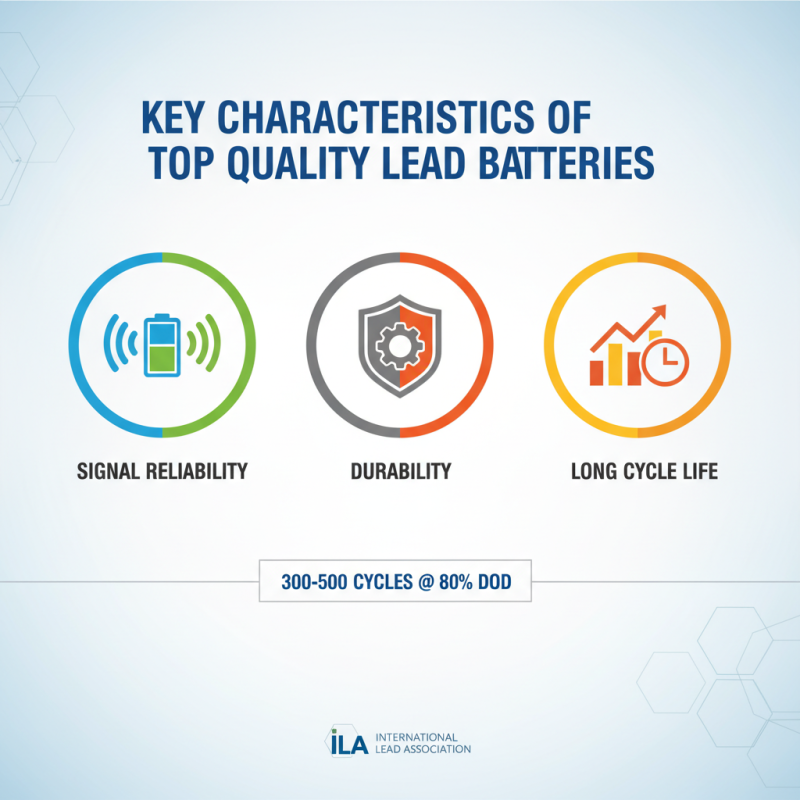
When selecting high-quality lead batteries, buyers should focus on specific characteristics that signal reliability and durability. The International Lead Association indicates that top-tier lead batteries should have a minimum cycle life of 300 to 500 cycles at 80% depth of discharge. This benchmark reflects battery longevity, which is essential for users who rely on consistent performance in various applications.
Another key attribute is energy density. High-quality lead batteries typically showcase an energy density of about 30 Wh/kg. This metric is crucial for applications where weight and size are constraints. Furthermore, a superior lead battery should exhibit low self-discharge rates, ideally below 3% per month. Such performance ensures that the battery maintains charge over extended periods. Additionally, robust safety features, including performance under extreme temperatures, should not be overlooked.
However, it’s important to consider the recycle rate of lead batteries. While lead is commonly recycled, not all suppliers prioritize environmentally safe practices. According to the Battery Council International, up to 99% of lead batteries are recyclable, but the industry must continuously improve handling to meet global standards. This focus on sustainability, alongside product quality, will define the best suppliers in the market.
Criteria for Selecting Lead Battery Suppliers
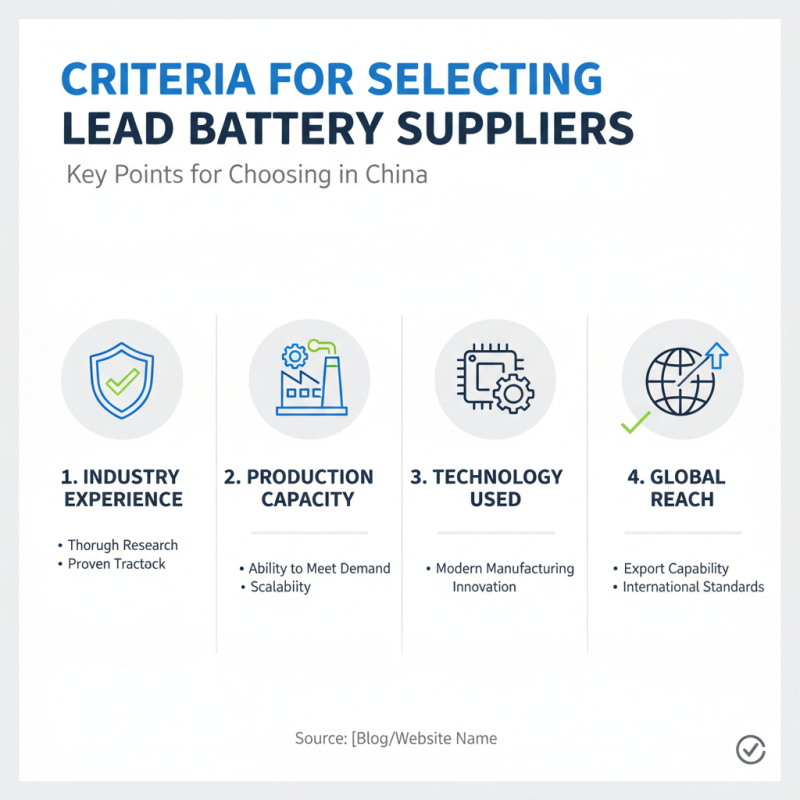
When selecting lead Battery Suppliers in China, thorough research is crucial. It’s essential to assess their experience in the industry. Look for suppliers with a proven track record. Consider their production capacity and technology used. This reflects their ability to meet global demands.
Quality assurance is another critical factor. Suppliers should have certifications that align with international standards. This guarantees the safety and reliability of their products. Establish open communication channels to gauge their responsiveness. A supplier attentive to your needs is likely to be a reliable partner.
Tips: Always ask for samples before making a bulk purchase. This helps you evaluate the quality firsthand. Additionally, visit potential suppliers if possible. This allows you to observe their operations and build trust. Remember, not all suppliers are created equal. Some may offer competitive prices but compromise on quality. Make informed decisions.
List of Leading Lead Battery Manufacturers in China
Chinais home to numerous lead Battery Manufacturers. These companies cater to a growing global demand for reliable battery solutions. The Chinese market offers a wide variety of products, sparking interest among international buyers. Many factories focus onadvanced technology and sustainable practices to enhance battery performance.
Working with leading suppliers can bring numerous advantages. They often employ skilled professionals in battery design and production. However, it's essential to assess the quality and reliability of their products. Challenges exist, such as varying production standards. Importers should conduct thorough quality checks before finalizing partnerships. Many suppliers prioritize customer feedback, but not all maintain consistent output quality.
Additionally, buyers must consider logistics. Shipping costs and timeframes can impact overall profitability. Establishing clear communication upfront can ease potential misunderstandings. Conducting market research on suppliers can be surprisingly complex. It’s crucial to remain informed about industry trends and technological advancements. This approach ensures that buyers can make educated decisions and select reputable manufacturers.
Assessment of Supplier Credibility and Certifications
In selecting quality lead battery suppliers in China, checking supplier credibility is crucial. Many suppliers claim high standards but lack verified certifications. According to a 2022 industry report, over 30% of Chinese battery manufacturers do not meet international quality norms. This raises questions about product reliability and performance.
Certifications such as ISO 9001 and UL Approval indicate a supplier's commitment to quality. A robust certification process ensures that the batteries undergo rigorous testing. Buyers should prioritize suppliers with these credentials.
Moreover, assessing a supplier's past performance can reveal insights into their operational integrity. A recent survey found that 45% of global buyers faced issues due to poor supplier vetting.
Maintaining sealed lead acid batteries also requires expertise. Proper maintenance practices can extend battery life significantly. However, only 25% of suppliers provide adequate guidelines for maintenance. This gap leads to unnecessary waste and increased costs.
Engaging with knowledgeable suppliers can mitigate these risks and enhance overall satisfaction.
Market Trends Affecting Chinese Lead Battery Exports
Chinese lead battery exports are significantly influenced by market trends. One major factor is the growing demand for renewable energy solutions. As more countries transition to green technologies, the need for efficient energy storage increases. Lead batteries, such as the Battery 12v 7ah Sealed Lead Acid, offer reliability and affordability.
Another trend impacting exports is the global push for stricter environmental regulations. Many countries are demanding higher standards in battery production. This means that suppliers in China must focus on sustainable practices. They need to invest in cleaner manufacturing processes. This shift may lead to increased costs in the short term. However, it could improve their competitiveness long term.
**Tips:** When sourcing lead batteries, consider the supplier's certifications. Ensure they comply with global standards. Look for feedback from previous clients to gauge reliability. Assessing the quality of materials used in production can reveal a lot about the supplier’s commitment to excellence.
Top Quality Lead Battery Suppliers in China for Global Buyers
| Supplier Region | Annual Production Capacity (Units) | Export Markets | Recent Developments | Quality Certifications |
| Eastern China | 1,500,000 | North America, Europe, Asia | New environmentally-friendly production line | ISO 9001, CE |
| Southern China | 2,000,000 | Middle East, Africa | Investment in R&D for hybrid batteries | UL, RoHS |
| Northern China | 1,200,000 | Australia, South America | Expansion into solar energy applications | ISO 14001 |
| Central China | 800,000 | Europe, North America | Partnerships with overseas logistics companies | IATF 16949 |
| Western China | 1,000,000 | Asia, South America | Adoption of automation in manufacturing | CE, GMP |
Tips for Global Buyers When Sourcing from China
Sourcing lead batteries in China offers numerous advantages. However, global buyers need to navigate the process carefully. Understanding local manufacturing practices is vital for success. Here are a few practical tips.
When approaching suppliers, inquire about their production capabilities. This includes materials, quality control, and testing procedures. Check if they specialize in products like the Sealed Lead Acid Battery 12v 7ah. This battery type is popular due to its reliability. Also, assess their experience in exporting products internationally.
Communication is also essential. Misunderstandings can arise due to language barriers. Clear specifications and expectations will help mitigate potential issues. Visiting factories can provide insights into their operations and ethics. It also allows you to evaluate the consistency of their products.
Finally, don’t overlook feedback from other customers. Reviews can shed light on a supplier’s reliability and quality. Remember, not all suppliers will meet your standards. Take your time to evaluate different options and ensure you make informed decisions.
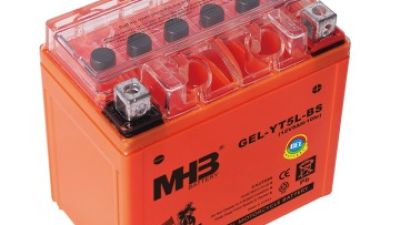
Comprehensive Guide to Choosing and Maintaining the 12V 5AH Motorcycle Battery MHB GEL-YT5L-BS for Optimal Performance
When it comes to selecting the right battery for your motorcycle, the 12V 5AH GEL-YT5L-BS stands out as a top contender thanks to its optimal performance and versatility. This gel battery is not only suitable for motorcycles but is also adaptable for various applications such as ride-on toys, electric bicycles, and agricultural equipment. With its strong voltage of 12V and a capacity of 5AH, the GEL-YT5L-BS ensures that riders can depend on reliable power, especially during critical moments like starting the engine or when navigating tough terrains.
The design of the GEL-YT5L-BS battery adds to its appeal, as it is crafted to withstand compression and deformation, a vital feature considering the sometimes rugged conditions motorcycles endure. According to industry data, gel batteries, like the GEL-YT5L-BS, provide enhanced durability and longevity compared to traditional lead-acid batteries. This is primarily due to their sealed construction, which minimizes the risk of spills while maintaining a stable internal environment. Moreover, gel batteries are known for their ability to perform well in a variety of temperatures, making them an ideal choice for riders in different climates.
In addition to its robust physical attributes, the GEL-YT5L-BS battery also supports environmental standards and requires minimal maintenance, thus providing an attractive balance of performance and convenience for motorcycle enthusiasts. Whether for recreational riding or serious commuting, this battery exemplifies a powerful and efficient solution tailored to meet the demands of modern riders.
FAQS
: Demand has risen due to growth in automotive, industrial, and renewable energy applications.
Buyers must consider quality and performance. Thorough evaluations are crucial before purchasing.
High-quality lead batteries should have a minimum cycle life of 300 to 500 cycles at 80% depth of discharge.
Energy density affects weight and size, making it essential for various applications.
A good lead battery should ideally have a self-discharge rate below 3% per month.
Safety features are critical, especially performance under extreme temperatures.
Yes, up to 99% of lead batteries are recyclable, but practices vary among suppliers.
Buyers need to select suppliers who prioritize eco-friendly practices and sustainability.
The industry is under scrutiny for environmental practices, impacting production costs.
It can be challenging, as quality and performance may vary significantly among suppliers.
Conclusion
The lead battery industry in China is a significant player in the global market, known for producing high-quality lead batteries that meet various international standards. Key characteristics of top-quality lead batteries include durability, efficient energy storage, and reliable performance. Selecting the right suppliers requires considering their production capabilities, certifications, and credibility, which ensures a dependable partnership for global buyers.
As market trends continue to shape the landscape of Chinese lead battery exports, factors such as innovation and sustainability are becoming increasingly important. Global buyers should be mindful of these trends and implement thorough assessment criteria when sourcing lead batteries from China, including verifying supplier credentials and understanding the regulatory environment. By adhering to these guidelines, buyers can successfully navigate the competitive landscape and secure quality products for their needs.