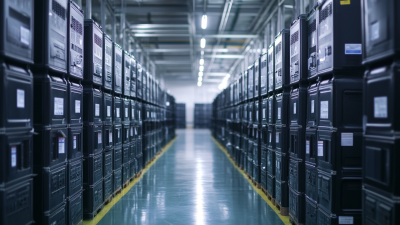
When it comes to modern tech these days, the kind of power source you choose can really make a difference in how well your devices work and how reliable they are. Among all the options out there, sealed Rechargeable Batteries just seem to stand out—whether you're a casual user or someone who relies on them professionally. These batteries are pretty awesome because they mix convenience with long-lasting power, meaning you can use them for a long time without constantly replacing them. Looking ahead to 2025, it’s clear that advances in battery tech are making these sealed rechargeables more efficient and more available than ever, making them a go-to choice for a ton of electronic gear.
With so many brands fighting it out in the market, it gets pretty important to know which models actually deliver on endurance and reliability. Brands like Ansmann, Panasonic, and Energizer have really earned their spot at the top—they’re focused on creating high-quality sealed rechargeable batteries tailored for a wide range of needs. In this article, I’ll walk you through the top 10 sealed rechargeable batteries that are known for lasting performance, so you can make smarter choices based on what you need—whether it’s for gadgets, power tools, or just some fun recreational stuff. Basically, these batteries are the kind you can count on over the long haul for sure.
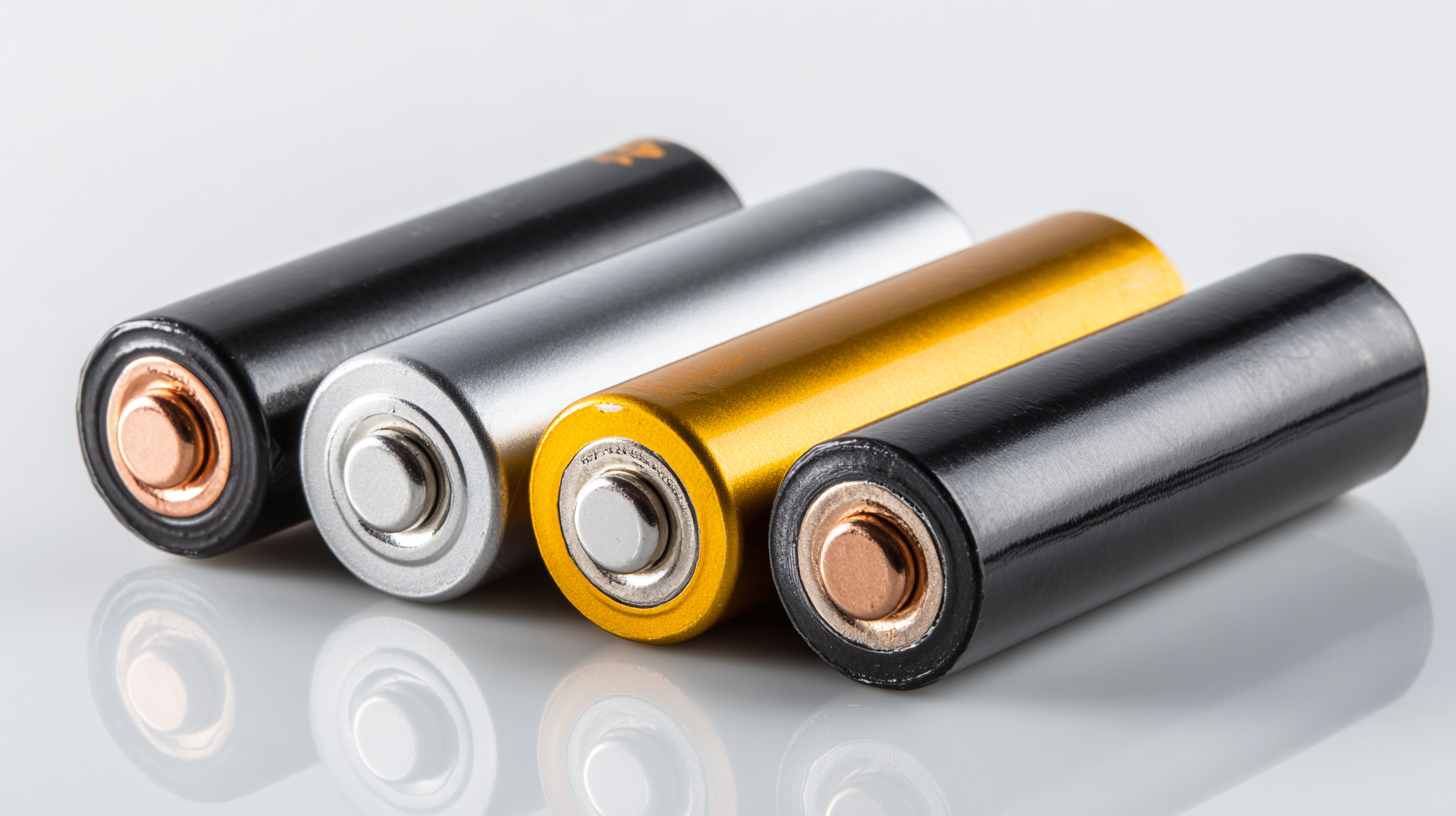
Top 5 Sealed Rechargeable Batteries for Optimal Longevity and Consistent Power Output
When it comes to selecting sealed rechargeable batteries for optimal longevity and consistent power output, the market is filled with various options that cater to different needs. Sealed batteries have gained popularity due to their maintenance-free design and the ability to deliver reliable performance over extended periods. Recent industry reports indicate that quality sealed batteries can provide up to 3,500 recharge cycles, making them a preferred choice for both personal and professional applications. The advancements in battery chemistry have enabled these batteries to maintain a stable voltage output, ensuring that devices remain powered longer without performance degradation.
Leading manufacturers in the battery industry have been focusing on improving the energy density and overall durability of their sealed rechargeable batteries. Data suggests that lithium-ion variants, for instance, exhibit a more efficient charge retention, allowing for prolonged usage in energy-intensive devices. Additionally, with proper care, these batteries can sustain their performance even in extreme temperature conditions, which is crucial for outdoor applications. Companies such as FUJIAN MINHUA POWER SOURCE CO., LTD. have been at the forefront of these innovations, drawing from extensive experience in battery production dating back to 1992. Their commitment to quality and performance makes their products a reliable choice for consumers seeking advanced power solutions.
Top 10 Sealed Rechargeable Batteries Performance Comparison
This chart shows a comparison of the capacity of the top 10 sealed rechargeable batteries. Each battery model is represented along the horizontal axis, while the capacity in milliamp hours (mAh) is represented on the vertical axis.
Performance Metrics: Analyzing Capacity, Voltage Stability, and Cycle Life in Leading Batteries
When selecting sealed rechargeable batteries, performance metrics play a crucial role in determining long-lasting effectiveness and reliability. One of the fundamental metrics to consider is capacity, measured in milliampere-hours (mAh). Higher capacity translates to longer usage time before recharging, making it essential for devices requiring extended power, such as cameras and portable electronics. Additionally, consistent voltage stability is vital; superior batteries maintain voltages within an optimal range throughout their discharge cycle, ensuring devices operate effectively without interruptions or performance drops.
Cycle life is another critical factor in evaluating rechargeable batteries. This metric reflects the number of charge and discharge cycles a battery can undergo before its capacity significantly diminishes, typically measured in thousands of cycles for high-quality options. Batteries with extended cycle lives offer more value over time, reducing the frequency of replacements. As users prioritize economy and efficiency, understanding these performance metrics allows for informed decisions when choosing the most reliable sealed rechargeable batteries for various applications, ensuring that users benefit from sustained longevity and dependable power sources.
Top 10 Sealed Rechargeable Batteries for Long Lasting Performance and Reliability - Performance Metrics
| Battery Type | Capacity (mAh) | Voltage (V) | Cycle Life (Times) | Weight (g) |
| Lithium-ion | 3000 | 3.7 | 500 | 150 |
| Nickel-Metal Hydride | 2500 | 1.2 | 1000 | 170 |
| Lead-Acid | 12000 | 12.0 | 300 | 3200 |
| Lithium Polymer | 4000 | 3.7 | 300 | 130 |
| Nickel-Cadmium | 2000 | 1.2 | 500 | 180 |
| SLA (Sealed Lead Acid) | 8000 | 12.0 | 400 | 2700 |
| LiFePO4 | 5000 | 3.2 | 2000 | 180 |
| Nickel Zinc | 2200 | 1.6 | 300 | 160 |
| Carbon Nanotube Battery | 3500 | 3.0 | 1500 | 140 |
| Ultra-capacitor | 1000 | 2.7 | 1,000,000 | 50 |
Comparative Evaluation: Cost-Effectiveness vs. Performance in Sealed Rechargeable Batteries
When evaluating sealed rechargeable batteries, two critical factors emerge: cost-effectiveness and performance. Recent industry reports indicate that while initial costs of high-performance batteries may be higher, their longevity and reliability can offset these expenses in the long run. For instance, according to a study by the Battery University, lithium-ion batteries provide approximately 2,000 charge cycles compared to only 500 for standard lead-acid batteries. This significant difference highlights the potential long-term savings that can be achieved by investing in higher-quality options.
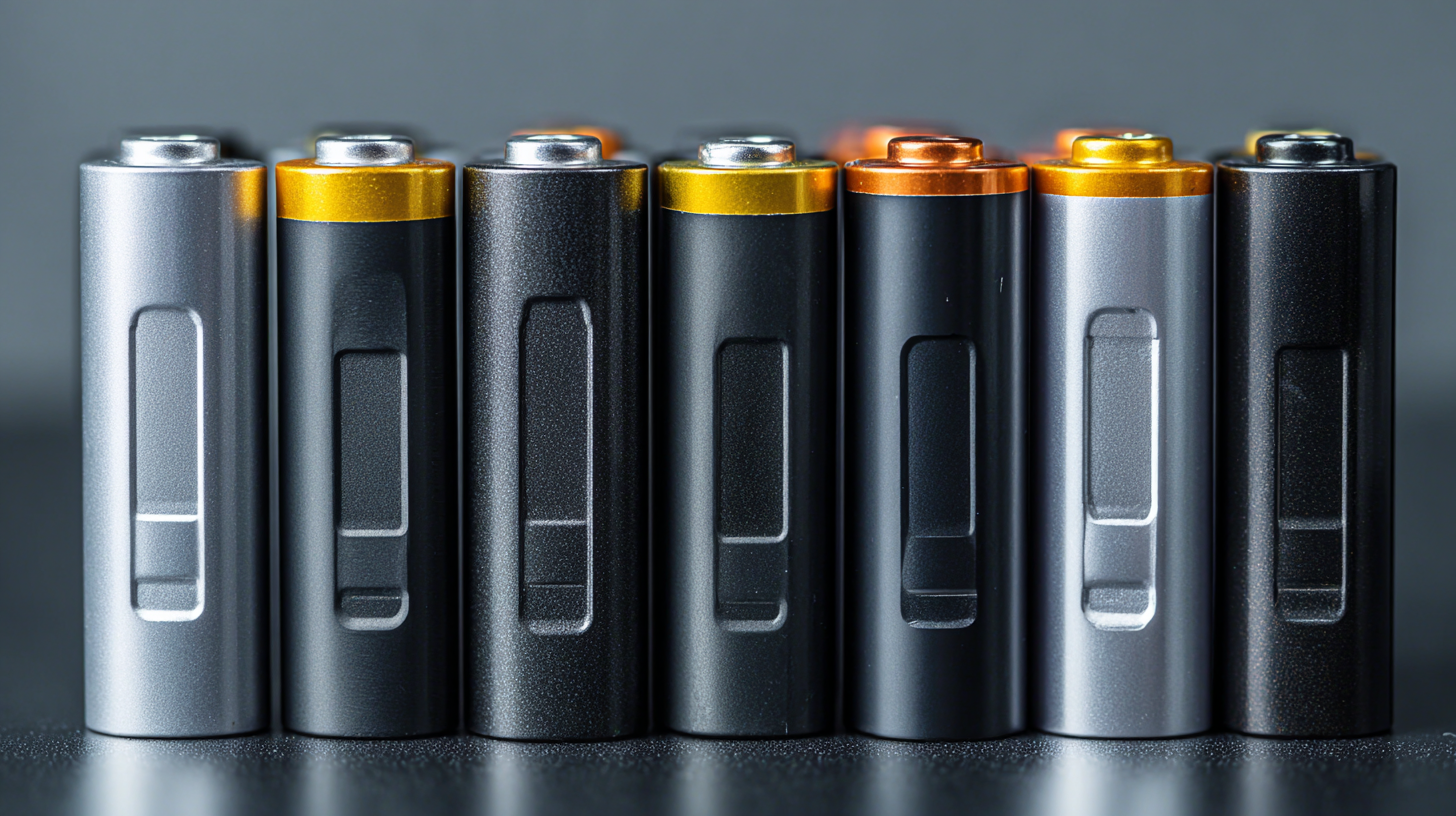
Moreover, the performance-to-cost ratio can vary widely among different brands and models. A comprehensive analysis by Energy Storage News reveals that while premium brands such as Panasonic and Samsung offer superior energy density and discharge rates, budget options may fail to deliver consistent performance, leading to increased replacement costs. For example, nickel-metal hydride (NiMH) batteries typically report a performance decrease after just a few hundred cycles, making them less appealing for applications requiring sustained energy output. Ultimately, manufacturers must weigh the immediate costs against the expected performance to determine the finest choice for durability and reliability in sealed rechargeable batteries.
Safety Features: Review of Thermal and Short-Circuit Protection in Top Batteries
When evaluating the performance and reliability of sealed rechargeable batteries, safety features such as thermal and short-circuit protection play a critical role in preventing accidents and prolonging battery life. Thermal protection is essential in ensuring that the battery does not overheat during operation or charging. High-quality batteries are designed with built-in mechanisms that monitor temperature and automatically shut down or regulate charging current to mitigate risks of overheating. This safety feature allows users to feel secure when utilizing batteries for demanding applications, such as power tools or high-drain electronic devices.
Short-circuit protection is another essential safety feature that protects against unintended electrical faults. Batteries equipped with this technology can detect when a short circuit occurs and immediately disconnect the power source, preventing potential damage to the battery and connected devices. This feature not only safeguards user equipment but also enhances the overall lifespan of the battery. Choosing a rechargeable battery with robust thermal and short-circuit protection ensures reliable performance while minimizing the risk of hazardous situations, making it a crucial consideration in any battery selection process.
Environmental Impact: Assessing Sustainability and Recycling Potential of Leading Brands
The shift towards sealed rechargeable batteries has sparked significant interest not only for their performance but also for their environmental impact. Leading brands have begun to assess the sustainability of their products through improved manufacturing processes and the incorporation of recyclable materials. This shift is crucial as consumers increasingly demand not just efficiency, but also eco-friendliness in the products they choose. Batteries that utilize lithium-ion technology tend to have a lower ecological footprint compared to traditional lead-acid batteries, mainly due to their lighter weight, longevity, and higher energy density.
In addition to production, the recycling potential of these batteries plays a critical role in their overall environmental sustainability. Companies are adopting closed-loop recycling systems, allowing for the recovery of valuable materials like lithium, cobalt, and nickel from spent batteries. This not only reduces the need for new raw materials but also minimizes the environmental hazards associated with battery disposal. By focusing on sustainable design and efficient recycling methods, leading brands are making strides towards reducing their carbon footprints and promoting a more circular economy in the battery industry.
Market Trends: Predicting Future Developments in Sealed Rechargeable Battery Technology
As technology continues to evolve, the demand for efficient and reliable sealed rechargeable batteries is increasingly pressing. Market trends indicate a significant shift towards enhanced power density and longer cycle life, driven by advancements in materials and design. Innovations such as lithium-silicon anodes and solid-state electrolytes are expected to revolutionize battery performance, enabling faster charging times and greater energy storage capacities. These improvements will cater to diverse applications, including electric vehicles, portable electronic devices, and renewable energy systems.
In addition, sustainability has emerged as a central theme in battery technology development. The industry is witnessing a growing emphasis on recyclable materials and eco-friendly production processes. Companies are investing in research to create batteries that not only perform better but also minimize environmental impact throughout their lifecycle. This focus on sustainable practices is likely to shape future product offerings, appealing to conscious consumers while meeting regulatory standards. As manufacturers adapt to these trends, the Sealed Rechargeable Battery sector is poised for substantial growth, ensuring reliable and long-lasting performance in the years to come.
FAQS
: The two critical factors are cost-effectiveness and performance. Higher initial costs of high-performance batteries can be offset by their longevity and reliability over time.
Lithium-ion batteries provide approximately 2,000 charge cycles, while standard lead-acid batteries only offer about 500, highlighting the potential long-term savings of investing in higher-quality batteries.
The performance-to-cost ratio can vary widely, with premium brands like Panasonic and Samsung offering superior energy density and discharge rates, whereas budget options may lead to inconsistent performance and increased replacement costs.
Safety features like thermal and short-circuit protection are crucial for preventing accidents and prolonging battery life, ensuring safe operation in demanding applications.
Thermal protection helps prevent overheating during operation or charging by monitoring temperature and automatically regulating the charging current, enhancing user safety.
Short-circuit protection detects electrical faults and disconnects the power source immediately, preventing damage to the battery and connected devices, and contributing to battery longevity.
Current trends include a shift towards enhanced power density, longer cycle life, and innovations like lithium-silicon anodes and solid-state electrolytes, which improve battery performance.
There is an increasing focus on recycling materials and eco-friendly production processes, leading to the creation of batteries that minimize environmental impact throughout their lifecycle.
Advancements in battery technology are driven by sectors such as electric vehicles, portable electronic devices, and renewable energy systems, all of which require efficient and reliable energy storage solutions.
Consumers can expect batteries with better performance, increased sustainability, and compliance with environmental regulations, leading to long-lasting and reliable energy solutions.
Conclusion
The article "Top 10 Sealed Rechargeable Batteries for Long Lasting Performance and Reliability" provides a comprehensive overview of the leading sealed rechargeable batteries on the market. It outlines the top five batteries known for their optimal longevity and consistent power output, analyzing performance metrics such as capacity, voltage stability, and cycle life. Additionally, the comparative evaluation of cost-effectiveness versus performance underscores the importance of finding the right balance for consumers.
Safety features, including thermal and short-circuit protection, are also highlighted, ensuring user safety is prioritized. The environmental impact of these batteries is assessed, focusing on sustainability and recycling potential, which is crucial in today’s eco-conscious market. Finally, the article discusses emerging market trends, predicting future developments in sealed rechargeable battery technology. Companies like FUJIAN MINHUA POWER SOURCE CO., LTD. are noted for their contributions to this innovative sector, emphasizing the importance of reliable and long-lasting energy solutions.