In today’s world, everything moves super fast, right? So, having a reliable backup power source is pretty much a must-have these days. With how much we depend on technology—whether at work or home—having a good ups battery can really save the day. Think about it: when a power outage hits, a solid UPS keeps your devices running, saving all that important data and stopping your equipment from getting messed up.
There are quite a few companies out there offering top-notch UPS Battery options for 2026. Big names like APC and CyberPower have a bunch of models, so you can find something that fits just about any need. But honestly, picking the right UPS Battery isn’t always a walk in the park. Sure, some options come loaded with fancy features, but what really counts is how well they perform and how reliable they are in the long run.
When you’re shopping around, think about what you actually need. Check your power needs and what kind of downtime you’re prepared for. Don’t just grab the most expensive one you see—sometimes, those budget-friendly options do just as well, if not better! And hey, don’t forget to pay attention to details like capacity and warranty — those little things can make a big difference. At the end of the day, focusing on a reliable backup means you’re making smarter choices for your power security.

Understanding UPS Battery Technology and Its Importance
Understanding UPS battery technology is essential for anyone seeking reliable power backup. These batteries play a critical role in maintaining productivity during power outages. They provide uninterrupted power to essential devices, ensuring smooth operations in offices and homes. In today’s tech-driven world, a dependable UPS battery is non-negotiable.
Different types of Ups Batteries exist, each with unique characteristics. Lead-acid batteries are common due to their affordability. However, they may require regular maintenance and have a shorter lifespan. On the other hand, lithium-ion batteries are more efficient, offering longer service life and faster charging times.
It’s crucial to consider the specific needs when choosing a UPS battery. A mismatch can lead to inadequate performance. Regular monitoring and maintenance are vital. Ignoring these aspects can lead to unexpected downtime. Understanding the nuances of UPS battery technology can empower users to make informed decisions.
Key Features to Consider When Choosing UPS Batteries
When selecting UPS batteries, several key features come into play. The battery type is crucial. Lead-acid batteries are common for cost-effectiveness. Lithium-ion batteries, while pricier, offer longer life and better efficiency. According to industry data, lithium-ion batteries can last up to 10 years, compared to 3-5 years for lead-acid.
Battery capacity is another important factor. Measured in volt-amperes (VA), this indicates how much load the UPS can support. A higher VA rating means a battery can handle more devices. Always consider your power needs before deciding. A detailed assessment can prevent underperformance.
Tips: Regular maintenance is vital. Check battery health regularly. Dust and heat can reduce lifespan. Don't ignore warning signs like degraded performance. Batteries can fail unexpectedly. It's better to catch issues early. Also, ensure proper ventilation for the UPS unit. Proper airflow can significantly extend battery life.
In conclusion, choosing the right UPS battery requires careful evaluation. Understanding your requirements and making informed choices is essential. The impact of your decision could save costs in the long run.
Top Brands in the UPS Battery Market for 2026
In 2026, the UPS battery market is set for significant growth. According to industry forecasts, the market will expand at a compound annual growth rate (CAGR) of around 8% from 2023 to 2026. This growth reflects an increasing reliance on backup power solutions in various sectors, including data centers, healthcare, and manufacturing. The demand for reliable power backup continues to rise, driven by a heightened awareness of the importance of uptime in business operations.
Several leading brands in the UPS battery market are focusing on innovation. They are investing in advanced technologies to improve efficiency and battery life. Market analysis shows that lithium-ion batteries are gaining a strong foothold. They offer longer lifespans and faster charging times compared to traditional lead-acid options. However, challenges remain. The initial cost of lithium-ion systems can be high. Companies must weigh long-term savings against upfront investments. Moreover, environmental concerns about battery disposal and recycling are important.
The reliability of UPS batteries is crucial. An unexpected power outage can lead to data loss or operational downtime. According to industry reports, over 50% of businesses experience significant disruptions due to power failures. This statistic highlights the importance of selecting the right UPS battery. Quality can vary significantly among different manufacturers. Buyers need to consider not just performance but also warranty and support options. Each decision has long-term implications.
Comparative Analysis of Lithium-Ion vs. Lead-Acid UPS Batteries
When comparing lithium-ion and lead-acid UPS batteries, efficiency stands out. Lithium-ion batteries offer a higher energy density. They are lighter and take up less space. This advantage is crucial for users with limited room for equipment. However, they can have a higher initial cost. This upfront investment might deter some users, but long-term savings are often significant.
On the other hand, lead-acid batteries are more affordable. They are widely available and easier to replace. Nonetheless, they can be bulkier and heavier. The shorter lifespan might be a concern. Frequent replacements may lead to higher cumulative costs. Users often feel conflicted about these choices.
Another consideration is environmental impact. Lithium-ion batteries tend to be more eco-friendly when recycled. Lead-acid batteries pose recycling challenges. Not everyone is aware of the proper disposal methods. This knowledge gap raises questions about sustainability. Ultimately, the choice between these two types hinges on individual needs and priorities. Each has pros and cons that require careful thought and reflection.
Best UPS Battery Options for Home Use in 2026
When choosing UPS batteries for home use in 2026, reliability is crucial. A good battery provides seamless power during outages. Consider options that have a capacity suitable for your setup. Look for models that can support your devices without issues. Battery life expectancy should also matter. Some batteries may degrade faster than expected. This could leave you in the dark when you need power.
Weight and size are important factors to consider. A heavier battery often means better quality, but it may limit placement options. Look for units that can fit neatly in your space. Noise levels should not be overlooked as some models can be quite loud during operation. You want a balance of power and quiet functionality.
Remember to check user reviews. They often reflect real-world performance. Some models promise great features but fail during an emergency. It's essential to weigh your options carefully. Preparing for power outages should not lead to additional stress. Choosing a reliable UPS battery will provide peace of mind.
Reliable UPS Battery Options for Small and Medium Businesses
For small and medium businesses, reliable power backup is crucial. Choosing the right Uninterruptible Power Supply (UPS) battery may seem daunting. However, understanding your needs is the first step. Consider factors like the total load, runtime requirements, and maintenance needs. These elements will guide your choice effectively.
UPS batteries come in various types. Sealed lead-acid (SLA) batteries are common for their affordability. They provide decent performance but have a shorter lifespan. Lithium-ion batteries, on the other hand, are more efficient and lighter. They may cost more upfront but typically last longer. Reflect on your business's budget and usage patterns.
Installing a UPS battery system requires careful planning. It’s easy to overlook the importance of proper configuration. Neglecting this can lead to inefficiencies. Regular maintenance checks are essential for optimal performance. Small lapses can result in significant downtimes during outages. Businesses need to prioritize these aspects to ensure reliability in power backup.
Maintaining Your UPS Battery: Tips for Longevity and Performance
Maintaining a UPS battery is crucial for optimal performance. Regularly inspect the battery for any signs of wear or damage. Check the connections to ensure they are secure. Loose connections can lead to inefficient power delivery. Cleaning the terminals can also help prevent corrosion, which could hinder the battery's functionality.
Temperature plays a significant role in battery life. Ensure the UPS is in a cool, dry location. Extreme heat can shorten the battery's lifespan. On the other hand, too much cold can lead to poor performance. Monitoring these conditions is essential, yet often overlooked by users.
Don't forget to perform regular self-tests. These checks help determine if the battery can hold a charge. Many users neglect this step, which can lead to unpleasant surprises during power outages. Keep track of the battery's age as well. Older batteries may require replacement sooner than expected. These proactive measures enhance reliability and ensure that your power backup remains effective when needed most.
Maximizing Motorcycle Performance: Insights from 2023 Lead Acid Battery Market Trends and the Advantages of 12V 5AH MHB YT5L-BS
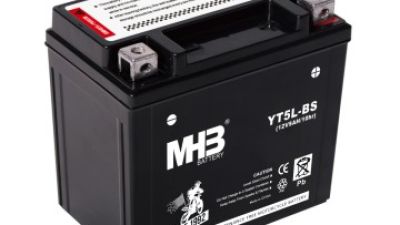
When it comes to maximizing motorcycle performance, choosing the right battery can make a significant difference. The 12V 5Ah battery stands out as an ideal choice for small and medium-sized motorcycles, delivering dependable power while ensuring optimal functionality. With advanced Absorbent Glass Mat (AGM) technology, this battery effectively absorbs the electrolyte, thereby minimizing the risk of leakage—a common concern for motorcycle enthusiasts. Its design ensures that riders can enjoy a stable performance without interruptions, making it a reliable option for diverse riding conditions.
One of the battery's standout features is its improved vibration resistance. Motorcycles often endure rough roads and uneven terrains, which can take a toll on standard batteries. However, this robust 12V 5Ah model is engineered to withstand these challenges, providing users with confidence in its durability. Whether navigating through city streets or tackling challenging off-road trails, riders can trust that this battery will remain reliable and efficient. As trends in the lead-acid battery market continue to evolve in 2023, it's clear that options like the 12V 5Ah battery are crucial for those seeking enhanced performance and longevity in their motorcycles.
FAQS
: You need to request a return within 30 days. Make sure the product is unused and in original packaging.
You will receive a confirmation email with tracking details. Use the link provided to check the status.
Exchanges are allowed if the item is the wrong size or color. Contact customer support for assistance.
Report the damage within 48 hours. Provide pictures and your order number for a quicker resolution.
Many products come with a limited warranty. Check the specific terms for each product before purchase.
You can update your address during checkout. If the order is already placed, contact support as soon as possible.
Yes, bulk purchases may qualify for discounts. Reach out to customer service for more details on pricing.
Various payment methods are accepted, including credit cards and electronic wallets. Ensure your payment method is valid.
Order cancellations are possible if the item hasn’t shipped. Contact us immediately for cancellation requests.
Orders may be canceled due to stock issues or payment failures. Check your email for specific reasons and further options.
Conclusion
The article "2026 Top UPS Battery Options for Reliable Power Backup" delves into the significance of UPS battery technology, which is crucial for uninterrupted power supply in various settings. It emphasizes the importance of selecting a reliable UPS battery by outlining key features to consider, such as capacity, runtime, and compatibility. The comparative analysis of lithium-ion and lead-acid UPS batteries highlights the strengths and weaknesses of each type, guiding users in making informed decisions based on their specific needs.
Moreover, the article provides tailored recommendations for different environments—home use and small to medium businesses—ensuring that readers can find the best UPS battery options suited to their requirements. Additionally, it offers essential maintenance tips that promote longevity and optimal performance of UPS batteries, underscoring the need for proper care to safeguard against power disruptions. Overall, this comprehensive guide serves as a valuable resource for those seeking dependable power backup solutions in 2026.