Picking a VRLA Battery Supplier? Honestly, it's not just about who gives you the lowest price. If you're buying globally, you need capacity you can actually rely on, manufacturing that stays consistent, and technical support that gets back to you when you need it. Pick the wrong supplier, and you might end up dealing with batteries that die too soon, overheating issues, or downtime that costs way more than you saved. Yeah, the little things really do matter.
So this guide takes a look at ten well-established manufacturers: EnerSys, East Penn Manufacturing, Exide Technologies, GS Yuasa, C&D Technologies, Leoch International, Narada Power, FIAMM Energy Technology, Vision Group, and Amara Raja Energy & Mobility. Together, their product lines cover a pretty wide range of areas, from telecom and backup power to renewable energy, security systems, and industrial controls. You’ll find some suppliers offering compact 6v Vrla Battery options—great for alarm panels and smaller emergency setups. Then there are others that focus on big battery banks for data centers and utility infrastructure. If you’re buying, it’s worth comparing things like float life, discharge performance, how well they handle temperature swings, warranty terms, and whether they offer recycling support.
Dr. Patrick R. Moseley, a VRLA battery researcher people really respect, once put it like this: "Reliability is designed into a battery system; it’s not something you tack on at the end." And honestly? That still holds up. A manufacturer’s reputation is great and all, but it can’t take the place of testing done for your specific site. A cheap quote doesn’t guarantee long-term value either. So this ranking looks at things like manufacturing experience, certification practices, product consistency, global distribution, and documented customer support. And honestly, it also admits something a bit uncomfortable: what's on paper—those published specs—might not tell you the whole story about how something actually performs in the field. Things like installation quality, charging voltage, ventilation, and maintenance still matter. So yeah, the list helps, but it's not perfect. Real-world conditions can throw things off, too.
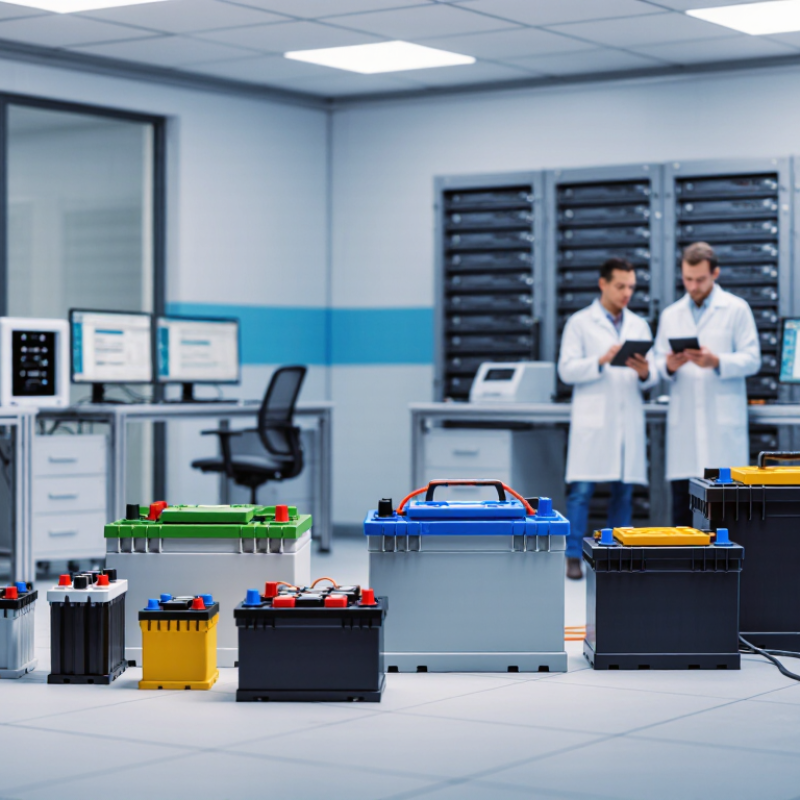
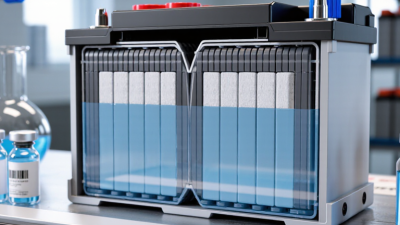
For global buyers comparing the top VRLA Battery Manufacturers, understanding the technology matters more than reading a polished catalog. AVrla Sealed Lead Acid Battery uses a valve-regulated design to limit electrolyte loss. It still needs correct charging, stable temperature, and suitable ventilation.
AGM batteries hold acid in glass mats between the plates. They usually provide strong high-rate performance, making them practical for backup power and short discharge cycles.
Gel batteries use silica to immobilize the electrolyte. Their slower chemical response can support deeper cycling, although charging limits must be followed carefully. Do not treat them as interchangeable.
One detail is easy to miss. IEC 60896-21 defines test methods for stationary valve-regulated lead-acid batteries, while IEC 60896-22 sets related performance requirements. Buyers should request test reports, capacity curves, float-life data, and temperature correction details. In warehouse checks, I would also inspect terminal sealing, case swelling, and production dates. Small defects matter.
A battery may pass a laboratory test yet perform poorly in a hot cabinet. That is my caution. Ask whether the quoted capacity uses a ten-hour or twenty-hour rate, and confirm the discharge endpoint. Installation guidance should match the actual charger, load profile, and ambient temperature. “Maintenance-free” does not mean “inspection-free.”
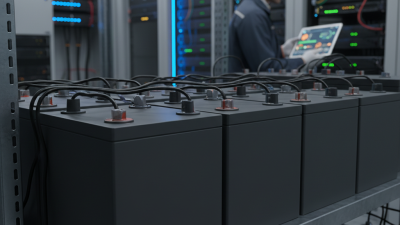
VRLA battery demand is closely tied to power reliability. In UPS rooms, buyers need stable backup during grid interruptions. A ten-minute runtime can protect servers while generators start. Data centers also value predictable discharge performance and low maintenance. However, heat remains a serious concern. Battery rooms above 25°C may experience faster aging and reduced capacity.
Telecom networks often require batteries in remote shelters and outdoor cabinets. Technicians usually prioritize sealed construction, strong cycle life, and simple replacement procedures. Renewable projects create a different demand pattern. Solar and wind systems may need storage during cloudy periods or low production. VRLA batteries can support short-duration storage, especially where installation budgets are limited. Yet frequent cycling may expose their weakness compared with newer chemistries.
Global buyers should compare tested capacity, temperature tolerance, warranty terms, and recycling arrangements. Factory inspection records can reveal more than attractive catalog figures. In practice, delivery consistency matters. A technically strong battery is useless if replacement units arrive late. Cost calculations should include ventilation, monitoring, transport, and disposal requirements. I have seen projects focus too heavily on purchase price. That approach often creates avoidable operating costs. Performance data can also vary between laboratories and real installations. Independent testing is worth the extra effort.
| Rank | Market Demand Segment | Indicative Share of VRLA Demand | Typical VRLA Configuration | Common Capacity Range | Primary Buying Criteria | Typical Service Expectation | Applicable Standards and Practices |
|---|---|---|---|---|---|---|---|
| 1 | Data Center UPS | 18–24% | AGMFront-terminal | 12 V, 65–200 Ah per block | High-rate discharge, low internal resistance, compact footprint, monitoring compatibility, short installation time | Approximately 3–7 years in standby service, depending on temperature, charging regime, and discharge frequency | IEC 60896; IEEE 1188; controlled-room installation and battery monitoring practices |
| 2 | Telecom Base Stations | 16–22% | AGMFront-terminal | 12 V, 65–200 Ah per block | High-temperature tolerance, long float life, low maintenance, narrow cabinet depth, reliable backup autonomy | Approximately 5–10 years under suitable float charging and thermal conditions | IEC 60896; ETSI-related site requirements; IEEE 1188 maintenance guidance |
| 3 | Commercial and Industrial UPS | 12–17% | AGMHigh-rate | 12 V, 26–200 Ah per block | High power density, predictable discharge curves, safety certification, replacement availability, total cost of ownership | Approximately 3–8 years in standby applications | IEC 60896; IEC 62477-1 for power-conversion system safety; IEEE 1188 |
| 4 | Renewable Energy Storage | 10–15% | AGMGel | 12 V, 100–250 Ah per block | Cycle capability, low self-discharge, compatibility with charge controllers, temperature performance, usable depth of discharge | Approximately 3–8 years, with life strongly dependent on cycling depth and ambient temperature | IEC 61427-1; IEC 60896; charge-controller and system-level safety requirements |
| 5 | Emergency Lighting and Safety Systems | 7–10% | AGMCompact block | 6 V or 12 V, 1.2–65 Ah | Standby reliability, low leakage, compact dimensions, safety approvals, long shelf life | Approximately 3–5 years in normal standby conditions | IEC 60896; EN 50272-2; local emergency-lighting and fire-safety requirements |
| 6 | Railway, Traffic, and Transport Signaling | 5–8% | AGMGel | 12 V, 33–200 Ah per block | Vibration resistance, stable performance across temperatures, low maintenance, enclosure compatibility | Approximately 5–10 years, subject to vibration, temperature, and cycling conditions | IEC 60896; IEC 62485-2; project-specific railway and signaling requirements |
| 7 | Security, Access Control, and Fire Alarm | 5–8% | AGMGeneral-purpose standby | 6 V or 12 V, 1.2–26 Ah | Low cost, wide availability, leak resistance, consistent float performance, easy replacement | Approximately 3–5 years in indoor standby installations | IEC 60896; EN 50272-2; applicable alarm and security-system codes |
| 8 | Medical and Laboratory Backup Power | 4–7% | AGMHigh-rate | 12 V, 7–100 Ah per block | Stable voltage, low maintenance, predictable runtime, traceability, equipment compatibility | Approximately 3–7 years in controlled indoor environments | IEC 60896; IEC 60601 system considerations; facility-specific electrical safety procedures |
| 9 | Distributed IT and Edge Infrastructure | 4–6% | AGMRack-mount | 12 V, 9–100 Ah per block | Small footprint, remote monitoring, fast replacement, high power density, compatibility with modular UPS units | Approximately 3–6 years, depending on enclosure temperature and load profile | IEC 60896; IEEE 1188; rack-level thermal and monitoring practices |
| 10 | Residential and Small-Commercial Backup | 3–6% | AGMGel | 12 V, 7–200 Ah per block | Affordability, ease of installation, low maintenance, inverter compatibility, availability of replacement units | Approximately 3–7 years, depending on cycling frequency and operating temperature | IEC 60896; IEC 61427-1 for renewable-storage applications; IEC 62485-2 |
Top 10 VRLA Battery Manufacturers for Global Buyers
Ranking Criteria: Capacity, Certifications, Production Scale, and Global Reach
A credible VRLA ranking begins with measurable capacity, not advertising claims. Grand View Research’s 2024 VRLA battery analysis identifies strong demand from data centers, telecommunications, and backup power systems. These applications require stable discharge performance, predictable cycle life, and consistent delivery. IEA Electricity 2024 projects global data-center electricity consumption may exceed 1,000 TWh by 2026. That growth raises the value of dependable UPS battery supply.
Certification is a practical filter. Manufacturers should demonstrate ISO 9001 quality management and compliance with IEC 60896 testing requirements. UL 1989 recognition can also support acceptance in North American projects. Yet certificates alone prove little. Buyers should request test reports, factory-audit records, and recent failure-rate data. Small details matter, such as terminal torque control and temperature-compensated charging guidance.
Production scale should include cell capacity, assembly lines, automation, and quality-control coverage. A high annual output can reduce lead times, but it may also hide uneven batches. Global reach requires regional warehouses, technical support, export experience, and documented recycling arrangements. The International Energy Agency’s supply-chain research repeatedly highlights concentration risk in energy technologies. Therefore, a supplier with multiple production sites may deserve a higher rank than a larger single-site producer. This weighting is imperfect. Real-world performance still depends on installation conditions, maintenance, and honest field data.
Global buyers often assess the top 10 VRLA manufacturers through three practical lenses: technology, product range, and geography. In project reviews, engineers usually examine valve regulation, plate design, heat tolerance, and expected cycle life. They also verify test reports, warranty terms, and maintenance guidance. A polished datasheet is not enough. Field conditions can expose weaknesses quickly.
Technology separates manufacturers more clearly than advertising language. AGM models suit backup cabinets, telecom sites, and compact UPS systems. Gel batteries often support slower discharge needs and warmer, less controlled environments. Product coverage also matters. A supplier offering 12v7ah Vrla Battery units may serve alarms and access systems, while larger front-terminal blocks support data centers and renewable storage. Good manufacturers publish capacity curves, terminal details, charging limits, and installation procedures. Missing data should raise questions.
Geography influences availability, service response, and compliance documentation. Manufacturers with regional warehouses can reduce replacement delays, especially for remote communication sites. Local technical teams may also understand temperature swings, transport limits, and grid instability better. However, broad distribution does not guarantee consistent quality. A ten-company comparison should check factory audits, batch traceability, recycling arrangements, and independent certifications. No ranking is perfect. Buyer requirements change by climate, load profile, cabinet space, and budget. Even experienced teams sometimes overvalue initial price and underestimate ventilation, charging control, or end-of-life handling.
A technical comparison should begin with configuration, not marketing claims. A 48-volt system needs twenty-four 2V cells or four 12V blocks. The 2V format offers easier cell-level testing and replacement. It also exposes weak connections sooner. Twelve-volt blocks simplify installation, reduce cabinet space, and suit smaller backup systems. However, one failed block can disturb the entire string.
10–15-year rating 20–25°C ambient temperature 80% of rated capacity
Design life needs careful interpretation. The 10–15-year rating usually assumes 20–25°C ambient temperature, stable float voltage, and limited discharge cycling. Every 8–10°C temperature increase can approximately halve lead-acid service life, according to widely applied stationary battery engineering guidance. IEEE 1188 commonly treats 80% of rated capacity as a practical replacement threshold. That is more useful than trusting a large number on a datasheet.
Look closely at test evidence. IEC 60896-21 and IEC 60896-22 define performance and compliance methods for valve-regulated lead-acid batteries. Ask whether the supplier reports capacity tests, internal resistance trends, thermal correction, and high-rate discharge results. A Sealed Vrla Battery may appear maintenance-free, but it still needs ventilation, torque checks, temperature monitoring, and periodic capacity verification. Field experience shows that weak terminals often appear before obvious capacity loss. I would not select a 15-year design-life product without reviewing its test temperature and float conditions. The fine print matters.
When comparing VRLA suppliers, calculate total cost of ownership rather than purchase price. Include installation, freight, rack space, testing, replacements, downtime, and disposal. A low-cost 12v Vrla Battery may become expensive if its real capacity falls early. Ask for capacity-test records, temperature limits, and documented cycle results. IEEE 1188 guidance supports periodic capacity testing for stationary lead-acid systems. Do not accept “maintenance-free” as “risk-free.”
An 80% depth-of-discharge claim needs careful questioning. Is it tested at 25°C, under a defined current, and across a specified cycle count? Many warranties emphasize float life, while buyers need cycling protection. Request separate warranty terms for capacity retention, manufacturing defects, labor, and transport.
The Global Battery Alliance’s Battery Passport work highlights traceability as a growing industry requirement. Recycling support matters too. The U.S. Environmental Protection Agency reports lead-acid battery recycling above 99% in the United States, but collection quality varies by region. Require named recovery channels, handover records, and certificates. Keep every document.
A spreadsheet can still lie. Site heat, shallow cycling, and poor charging may defeat attractive laboratory figures. Get references from installations with similar loads. Then compare replacement intervals, not promises.
They support UPS systems, telecom shelters, renewable storage, and data centers. Each application needs dependable backup power.
A ten-minute runtime may protect servers while generators start. Actual runtime depends on load, battery condition, temperature, and charging quality.
Battery rooms above 25°C may age faster and lose capacity. Heat can quietly shorten replacement intervals.
Choose sealed construction, strong cycle life, and simple replacement procedures. Remote sites need fewer service visits.
They can support short-duration storage during cloudy or low-production periods. Frequent cycling may reduce their advantage.
Include installation, freight, rack space, testing, replacements, downtime, and disposal. Purchase price alone can mislead.
Ask about testing temperature, discharge current, cycle count, and capacity retention. A headline figure is not enough.
Separate capacity, manufacturing, labor, and transport coverage. Float-life protection may not cover frequent cycling.
Request factory inspection records, capacity tests, and independent test results. Compare references from sites with similar loads.
Require named recovery channels, handover records, and recycling certificates. Keep every document for later review.
This guide provides a practical overview of the VRLA Battery market for global buyers, beginning with the fundamentals of AGM and Gel technologies and the role of IEC 60896-21/22 standards in quality and performance evaluation. It explains how demand varies across UPS systems, telecommunications, renewable energy installations, and data centers, where reliability, safety, and maintenance requirements differ. The ranking framework focuses on manufacturing capacity, product certifications, production scale, technical expertise, and international supply capability rather than brand recognition.
The comparison covers 2V cells and 12V blocks, including typical 10–15-year design-life classifications and their suitability for different applications. Buyers are also guided through total cost of ownership, expected performance at up to 80% depth of discharge, warranty conditions, installation support, and recycling services. By reviewing these factors together, purchasers can select dependable VRLA solutions that balance service life, operating cost, compliance, and long-term system resilience.