Leave Your Message
0%

You know, as the world of energy solutions keeps changing so fast, it’s pretty clear that Universal power supply battery Backup systems are becoming more and more important, especially as we get closer to 2025. Experts like Dr. Emily Thompson from Energy Innovations often point out how crucial these systems are for keeping the power flowing—whether it's at home or at work. I remember her saying once, ‘As we rely more and more on technology, having a solid Universal Power Supply Battery Backup isn’t just a nice-to-have anymore; it’s a must-have if we want to keep our digital lives safe.’

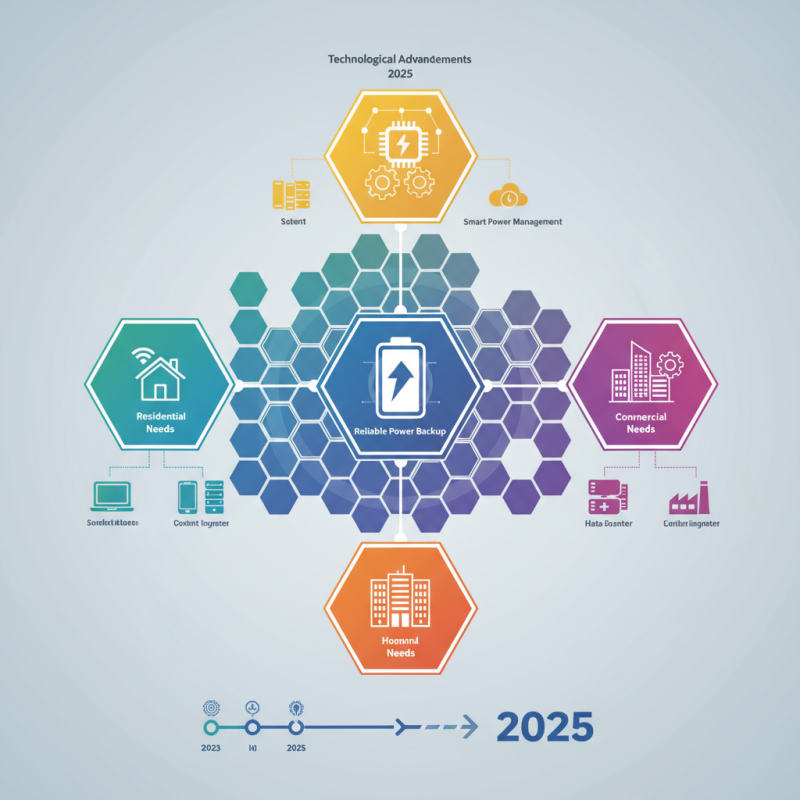
Thanks to leaps in battery tech and smarter power management, the market for these backup systems is about to explode. Everyone’s looking for dependable energy solutions now more than ever. If you're curious about which battery backup options will be popular in the coming years, it’s good to understand what’s out there—what features they have and how they can fit different needs. This whole trend really highlights why investing in a reliable backup power system is a smart move; it’s all about staying connected and operational, no matter what surprises come your way.
Top Universal Power Supply Battery Backup Solutions for 2025 You Need to Know

Overview of Power Supply Battery Backup Solutions in 2025

As we approach 2025, the landscape of power supply battery backup solutions is set to undergo significant transformations. The increasing reliance on technology and the growing threat of power outages necessitate robust systems that ensure uninterruptible power supply (UPS) for both commercial and residential applications. Key trends point towards the integration of advanced energy storage technologies that not only enhance efficiency but also provide longer backup durations. Lithium-ion batteries are becoming increasingly popular, offering lightweight solutions with high energy density, thus catering to the demands of modern power consumption.

Moreover, the emphasis on sustainability and renewable energy sources is shaping the development of battery backup solutions. Solar power integration with energy storage systems allows users to store excess energy produced during peak sunlight hours, making it available during outages or nighttime. This not only provides reliability but also promotes energy independence, reducing reliance on traditional grid power. In 2025, we can expect innovations in smart battery management systems that optimize battery life and performance, ensuring that users get the most out of their backup systems. These advancements highlight the growing importance of power supply battery solutions as crucial elements in the resilience of our energy infrastructure.

Key Features to Look for in a Universal Power Supply

Top Universal Power Supply Battery Backup Solutions for 2025 You Need to Know

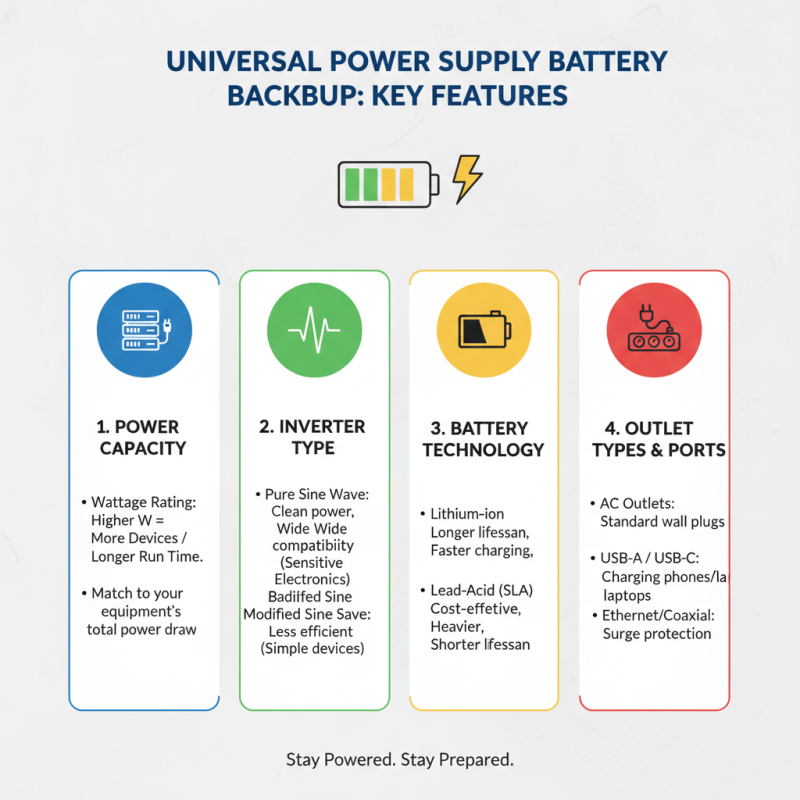
When selecting a universal power supply battery backup solution, it’s crucial to consider several key features that ensure reliability and efficiency. One of the most important aspects is the power capacity, which determines how much load the backup can handle during an outage. A solution with a higher wattage rating is preferable for devices with significant power needs, ensuring that critical equipment remains operational. Additionally, take note of the inverter type; pure sine wave inverters are typically more efficient and compatible with a wider range of electronics compared to modified sine wave inverters.

Another vital feature is the duration of backup power. Understanding the runtime provided during an outage is essential for planning purposes, especially for businesses relying on continuous operation. Look for solutions that offer battery management systems, which can optimize performance and extend battery life. Moreover, consider the size and weight of the unit; for home and small office applications, portability may be an advantage for easy placement. Connectivity options, such as USB ports and communication with smart devices, can also enhance usability and monitoring capabilities, allowing users to stay informed about their power status in real-time.

Top Brands to Consider for Battery Backup in 2025

As we move towards 2025, the demand for reliable battery backup solutions is expected to surge, driven by an increasing reliance on technology and the growing prevalence of power outages. According to industry reports, the global uninterruptible power supply (UPS) market is projected to reach $20 billion by 2025, reflecting a compound annual growth rate (CAGR) of approximately 7.5%. This trend underscores the critical importance of selecting the right brands that offer robust battery backup systems capable of supporting various applications, from home electronics to vital business infrastructures.

When considering battery backup options, it's essential to evaluate brands based on their performance, efficiency, and customer support. Research indicates that users increasingly prioritize energy efficiency, as power consumption in backup solutions significantly impacts long-term operational costs. Companies that provide products with advanced lithium-ion technology are expected to lead the market, with enhanced energy density and longevity, making them a top choice for consumers. Furthermore, the trend toward smart home devices and IoT applications amplifies the need for adaptable backup systems that can integrate seamlessly into existing setups, ensuring continued operation during unexpected outages.

Comparative Analysis of Popular Battery Backup Systems

When considering battery backup systems for 2025, it's imperative to conduct a comparative analysis of the leading solutions available in the market. The primary aspects to evaluate include capacity, runtime, efficiency, and ease of use. Systems equipped with advanced lithium-ion technology are likely to be at the forefront, providing higher energy density and longer lifespans compared to traditional lead-acid batteries. Additionally, features such as smart monitoring systems and integration with renewable energy sources can enhance the overall user experience and reliability of power supply.

Another crucial factor in the analysis is the scalability of the battery backup systems. Many users require a solution that can adapt to their growing energy demands, whether for home, office, or industrial use. Moreover, the maintenance requirements should be minimal, and the backup systems should be user-friendly to ensure hassle-free operation. The cost-to-performance ratio also plays a significant role, as consumers seek efficient solutions that do not compromise on quality. By thoroughly examining these criteria, users can make informed decisions and choose the best battery backup system tailored to their specific needs and circumstances.

Installation and Maintenance Tips for Optimal Performance

When it comes to ensuring optimal performance from your power supply battery backup solutions, proper installation and regular maintenance are key factors. Before installation, it's essential to assess your power needs accurately. This involves not only considering the total wattage of your devices but also understanding the voltage and compatibility requirements. Installing the unit in a well-ventilated area can prevent overheating, and securing all connections can minimize risks of failure or inefficiencies.


Once your system is installed, routine maintenance becomes crucial. Periodically checking the battery's charge level and connections will help you avoid unexpected outages. It's also important to clean any dust or debris around the unit, as this can impact airflow and increase heat buildup. Additionally, conducting regular tests to simulate power outages can help you gauge the effectiveness of your backup solution and make adjustments if necessary. By focusing on these installation and maintenance tips, you can maximize the reliability and longevity of your power supply battery backup system.

Future Trends in Power Supply Technologies

Top Universal Power Supply Battery Backup Solutions for 2025 You Need to Know

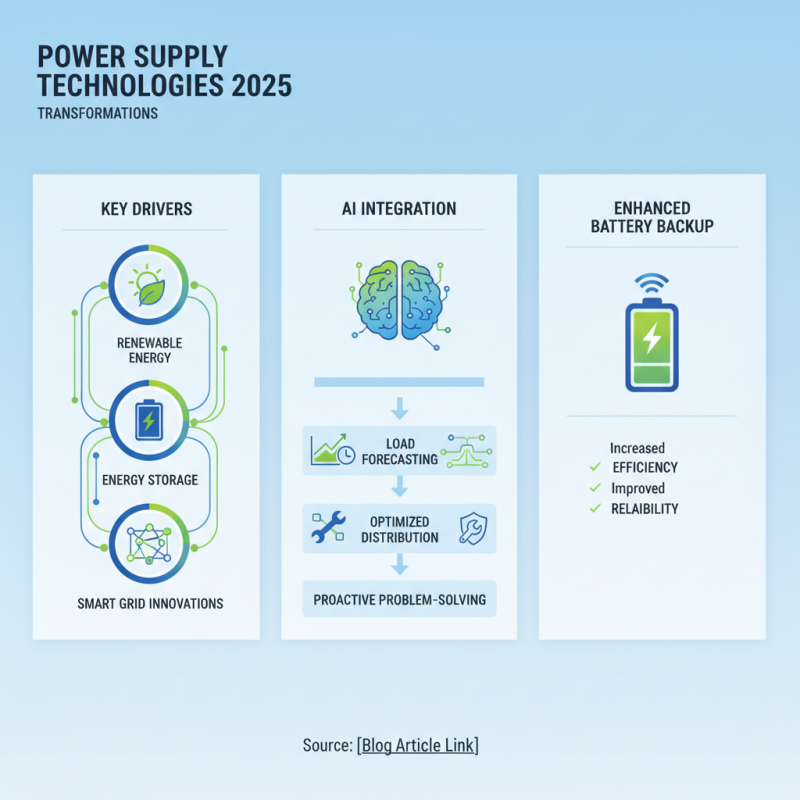
As we look toward 2025, the landscape of power supply technologies is undergoing significant transformations, driven by advancements in renewable energy sources, energy storage solutions, and smart grid innovations. One of the most notable trends is the increasing integration of artificial intelligence in power supply management systems. This technology enables better load forecasting, optimized energy distribution, and proactive problem-solving in real-time, thereby enhancing efficiency and reliability in battery backup solutions.

Another key trend is the advancement in battery technologies, particularly solid-state batteries, which promise greater energy density, faster charging times, and improved safety compared to traditional lithium-ion batteries. As industries continue to seek more sustainable and efficient energy solutions, the focus on minimizing environmental impact while maximizing performance is likely to accelerate. Furthermore, the shift towards modular power systems will allow for scalability and adaptability, catering to both large-scale applications and individual consumer needs effectively in the evolving energy landscape.

User Reviews and Recommendations for Battery Backup Solutions

When considering battery backup solutions for the upcoming year, user reviews and recommendations provide invaluable insights into what products truly excel in performance and reliability. Many users have emphasized the importance of a system that not only maintains power during outages but also offers features like quick recharge times and compatibility with various devices. Some reviews highlight models that are particularly praised for their capacity to handle everyday electronics, from personal computers to home security systems, ensuring that essential devices remain functional during blackouts.

Additionally, users have expressed their appreciation for units that come equipped with user-friendly interfaces and real-time monitoring capabilities. This aspect is frequently mentioned as a crucial factor in choosing a backup solution, as it allows users to track battery levels and health easily. Furthermore, recommendations often point towards systems that incorporate smart technology, enabling users to manage their power supply through mobile applications. By tapping into the experiences of others, consumers can make more informed decisions and select battery backup solutions that cater to their specific needs and lifestyles.

Maximizing Electric Vehicle Performance and Longevity with MHB 12V 150Ah EV Sealed Maintenance-Free Battery: Insights from Recent Industry Reports

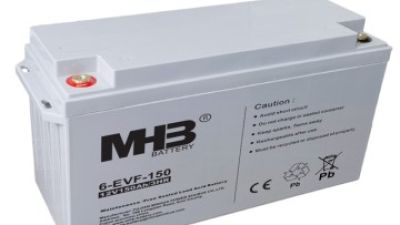
In the realm of electric vehicles, battery selection is crucial for optimizing performance and longevity. The MHB 12V 150Ah EV Sealed Maintenance-Free Battery stands out in recent industry reports for its ability to enhance efficiency and reliability in various applications. This battery, designed for maintenance-free operation, addresses common concerns associated with traditional battery types. Its sealed construction prevents leaks and reduces the need for regular upkeep, making it an ideal choice for those seeking hassle-free energy solutions.

When considering alternatives, lead-acid batteries have long been a standard in powering electric vehicles, including golf carts. While they are appreciated for their affordability, deep cycle lead-acid batteries provide excellent longevity through multiple charge cycles without compromising performance. For users who prioritize power output, flooded lead-acid batteries offer robust capabilities, though they necessitate regular maintenance to uphold their efficiency. However, transitioning to modern sealed batteries can alleviate those maintenance burdens, ensuring that users can focus on the road rather than upkeep. Embracing advancements in battery technology allows for greater performance and extended life in electric vehicles, ultimately leading to a more sustainable and enjoyable driving experience.

FAQS

: What are the key trends in power supply battery backup solutions by 2025?

: Key trends include the integration of advanced energy storage technologies, the increasing popularity of lithium-ion batteries, and the emphasis on sustainability and renewable energy sources, such as solar power integration.

Why are lithium-ion batteries favored for power supply backup systems?

Lithium-ion batteries are favored for their lightweight design and high energy density, making them suitable for modern power consumption needs.

What should be considered when selecting a universal power supply battery backup solution?

Important factors include power capacity, inverter type, backup duration, battery management systems, size and weight, and connectivity options.

What is the importance of power capacity in a battery backup solution?

Power capacity determines how much load the backup can handle during an outage, ensuring essential devices remain operational, especially for equipment with significant power needs.

How can users ensure optimal performance from their battery backup systems?

Proper installation, accurate assessment of power needs, maintaining a well-ventilated area, securing connections, and routine maintenance are essential for optimal performance.

What regular maintenance practices should be performed on battery backup systems?

Regular maintenance practices include checking the battery's charge level, cleaning dust around the unit, and conducting tests to simulate power outages to assess effectiveness.

How does solar power integration benefit battery backup solutions?

Solar power integration allows users to store excess energy produced during peak sunlight hours, providing reliability during outages and promoting energy independence.

Why is inverter type significant in backup power solutions?

The inverter type impacts efficiency and compatibility; pure sine wave inverters are generally more efficient and work with a broader range of electronics than modified sine wave inverters.

What role does battery management systems play in battery backup solutions?

Battery management systems optimize performance and extend battery life, ensuring users get the most out of their backup systems.

What are the advantages of portability in battery backup systems for home and small offices?

Portability allows for easy placement and relocation of the unit, making it convenient for users to set up their backup systems in various locations as needed.

Conclusion

As we look ahead to 2025, the landscape of Universal Power Supply Battery Backup solutions continues to evolve, reflecting advancements in technology and user needs. Key features to prioritize in these systems include reliability, efficiency, and scalability, ensuring that your setup can handle varying power demands. A comparative analysis of popular battery backup systems highlights their performance and suitability for different environments, while installation and maintenance tips serve to maximize operational effectiveness.

Furthermore, future trends in power supply technologies indicate a shift towards smarter and more integrated solutions, which will provide users with greater control over their energy management. User reviews and recommendations play a crucial role in navigating the available options, helping to inform decisions and enhance satisfaction with Universal Power Supply Battery Backup systems. Staying informed about these aspects will empower users to make the best choices for their power needs in the upcoming years.

Sophia

Sophia

Sophia is a dedicated marketing professional at Fujian Minhua Power Supply Co., Ltd., where she has cultivated a deep expertise in the company’s innovative products and solutions. With a strong background in marketing strategies and product knowledge, Sophia plays a crucial role in enhancing the......
Previous How to Choose the Right Lithium Battery for Your Energy Storage Needs