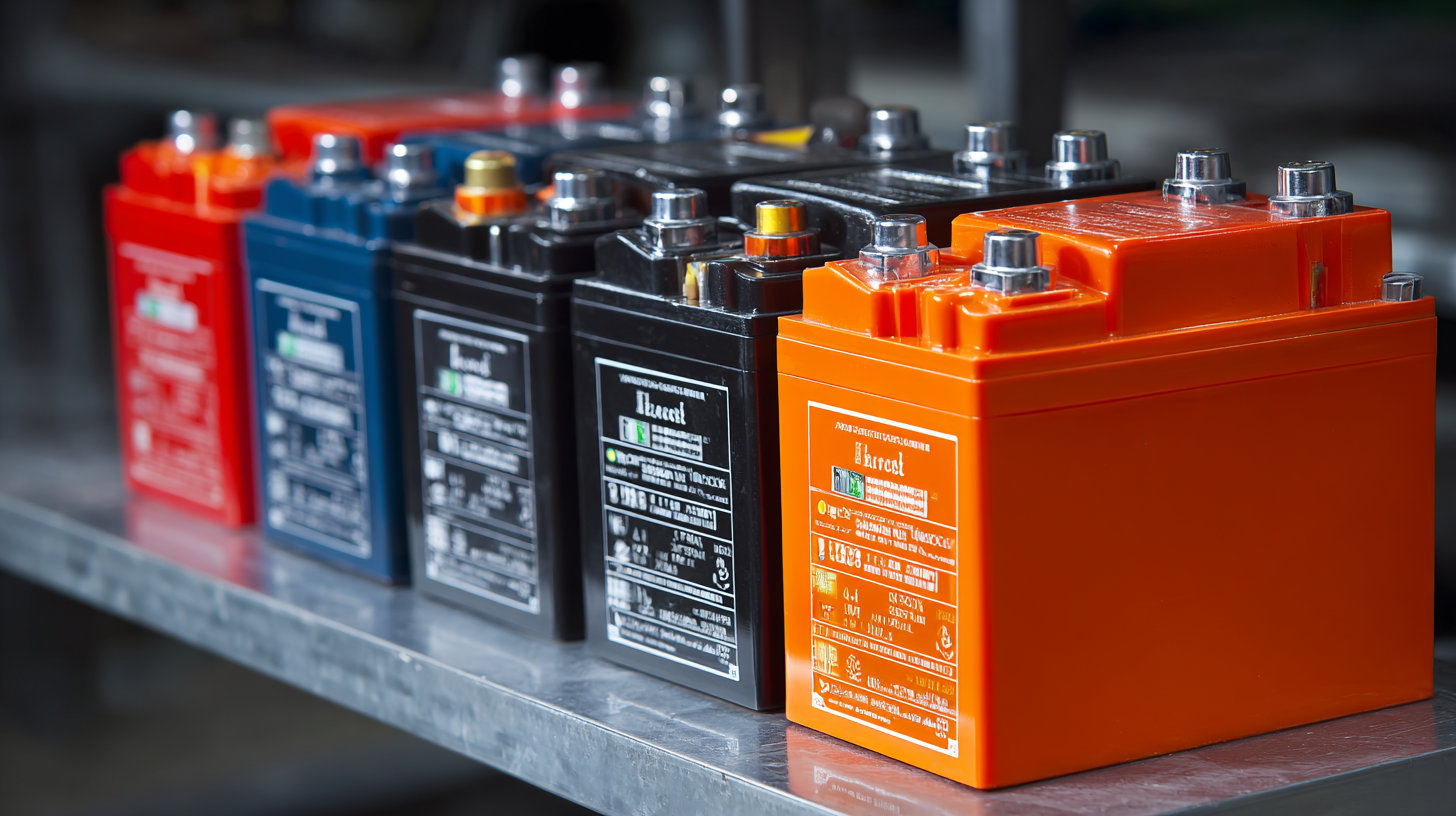
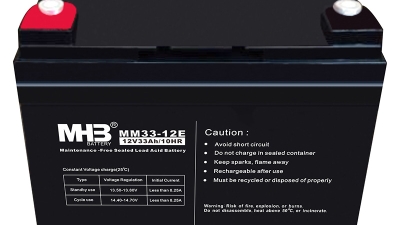
You know, in today’s fast-changing energy landscape, it’s super important for businesses to really get to grips with how versatile Lead Acid Batteries can be. If you're looking for dependable energy solutions, these batteries are definitely worth checking out. Interestingly, they make up about 30% of the global battery market, thanks to their cost-effectiveness, ability to be recycled, and solid performance across a bunch of applications—from cars to renewable energy setups. Take FUJIAN MINHUA POWER SOURCE CO., LTD., for example. Founded back in '92, this company has been a real player in the industry with their MHB Battery line. They’re based in Longqiao Industrial Park in the Anxi Economic Development Zone in Fujian, and they've got almost 2,000 folks working there on a sprawling 300 acres. By sticking to industry standards in production, MHB Battery is not just meeting the rising demand for Lead Acid Batteries; they’re also making strides in boosting their efficiency and lifespan. It’s all about paving the way for a sustainable future in energy solutions around the globe.
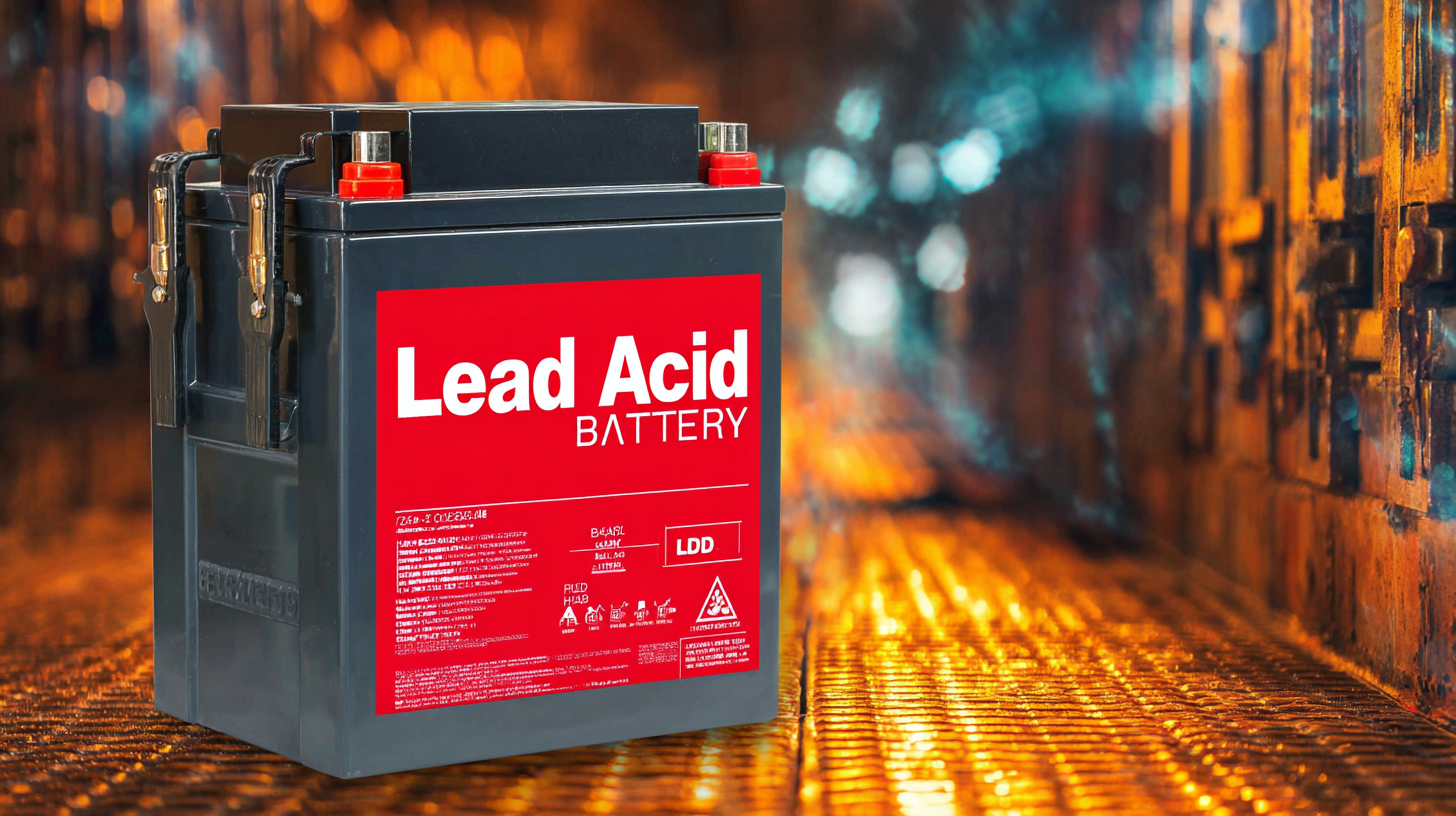
Key Characteristics of Lead Acid Batteries: An In-Depth Analysis
You know, lead acid batteries really have a reputation for being tough and dependable, which is why we see them everywhere—from cars to renewable energy setups. One of the standout things about these batteries is their ability to handle deep cycling. That means they can go through plenty of charge and discharge cycles without breaking a sweat, which is awesome for situations where you need steady power for a long time. Oh, and let’s not forget their high surge current. This is super important for starting engines in vehicles, where you really need that quick jolt of power, like, right now.
Another big plus is that they’re pretty budget-friendly compared to other types of batteries. This accessibility is great for both regular folks and businesses alike. Plus, the recycling process is well established, which is a big win for the environment since we can reclaim lead and sulfuric acid. It definitely makes them a greener choice than a lot of other options out there. And they work really well across a wide range of temperatures, too, so you can rely on them no matter where you are. All these features really show why lead acid batteries are still such a go-to solution in today’s energy world. It’s pretty clear they have a lasting place in many industries.
Different Types of Lead Acid Batteries and Their Industrial Applications
You know, lead acid batteries are still really important in a ton of industrial applications, even with all the buzz around lithium-ion tech these days. The global market for lead acid batteries is estimated to be around 48.50 billion dollars in 2024, and it’s expected to balloon to nearly 74 billion by 2030! This growth really comes from the soaring need for dependable power sources in lots of sectors—like automotive, renewable energy storage, and telecommunications, just to name a few.
There are actually different types of lead acid batteries, each serving a specific role in various industries. For example, flooded lead acid batteries are super popular in the automotive world because they handle high surge currents really well and don’t break the bank. On the other hand, sealed lead acid batteries are a go-to for backup power systems and emergency lighting since you don’t have to worry about maintenance with those. As we continue to embrace electrification, these batteries are still a go-to choice for many industries thanks to their reliable performance and long lifespan. So, even while we look to newer technologies, lead acid batteries remain a key player in the energy game.
Standards and Regulations Governing Lead Acid Battery Production
You know, lead acid batteries have really been at the heart of so many industries for ages. I mean, they power everything from our cars to those cool renewable energy systems we've been hearing about. But here's the thing: making and using these batteries isn't just a walk in the park. There are some serious standards and regulations in place to keep things safe and to protect our environment. Organizations like the International Electrotechnical Commission (IEC) set up guidelines that battery makers need to follow to keep lead exposure and disposal risks in check. And get this, a report from the Battery Council International in 2022 showed that over 99% of lead acid batteries are recycled! That's pretty impressive, right? It just shows how committed the industry is to being eco-friendly.
So, if you’re thinking about buying lead acid batteries, make sure to check for products that meet both local and international standards. A good tip for both individuals and businesses is to look for those certifications from trusted organizations and ensure the manufacturer plays by the rules when it comes to sustainable practices. Also, don’t forget to think about what you actually need them for, because different applications require batteries with different specs, like how long they last or how quickly they discharge.
On top of that, there's been some cool advancements in battery tech lately that boost performance. For example, Underwriters Laboratories (UL) makes sure that batteries are put through some tough testing to see how reliable they are in different conditions. Recent studies indicate that if you take care of them, lead acid batteries can last up to a whopping 10 years! Keeping yourself updated on these standards is key. It helps you make smart choices while also making sure you’re doing your part for safety and the environment.
Understanding the Versatile Applications and Features of Best Lead Acid Batteries
This chart illustrates the capacity and discharge rates of lead acid batteries adhering to industry standards. The data highlights the performance metrics of different types of lead acid batteries, showcasing their versatility in various applications.
The Role of Lead Acid Batteries in Renewable Energy Solutions
You know, lead acid batteries have really been a go-to power source for quite a while, especially when it comes to renewable energy solutions. A report from the International Renewable Energy Agency (IRENA) pointed out that these batteries, especially the lead acid ones, made up about 25% of the global energy storage market in 2022. That’s a pretty big deal! It really highlights how crucial they are for balancing energy generation and demand, particularly in solar and wind setups where things can get a bit unpredictable.
In the world of renewables, lead acid batteries often step in to store energy, providing a consistent power supply when generation dips. One neat thing about them is their ability to deliver those high surge currents, which makes them perfect for systems that need an instant power boost. A study in the Journal of Energy Storage mentioned that when paired with solar panels, lead acid batteries can actually improve overall energy efficiency by up to 30%. That's pretty awesome, right? Given how much emphasis is being placed on sustainable energy these days, getting a grip on the many ways lead acid batteries can be used is super important for advancing energy tech and cutting down on carbon emissions.
Maintenance and Lifespan: Maximizing Performance of Lead Acid Batteries
Taking care of lead-acid batteriesis really important if you want them to last and work well. You’d be surprised how a little regular maintenance can stretch their lifespan, especially since we see these batteries in all sorts of things like cars, renewable energy setups, and Ups Systems.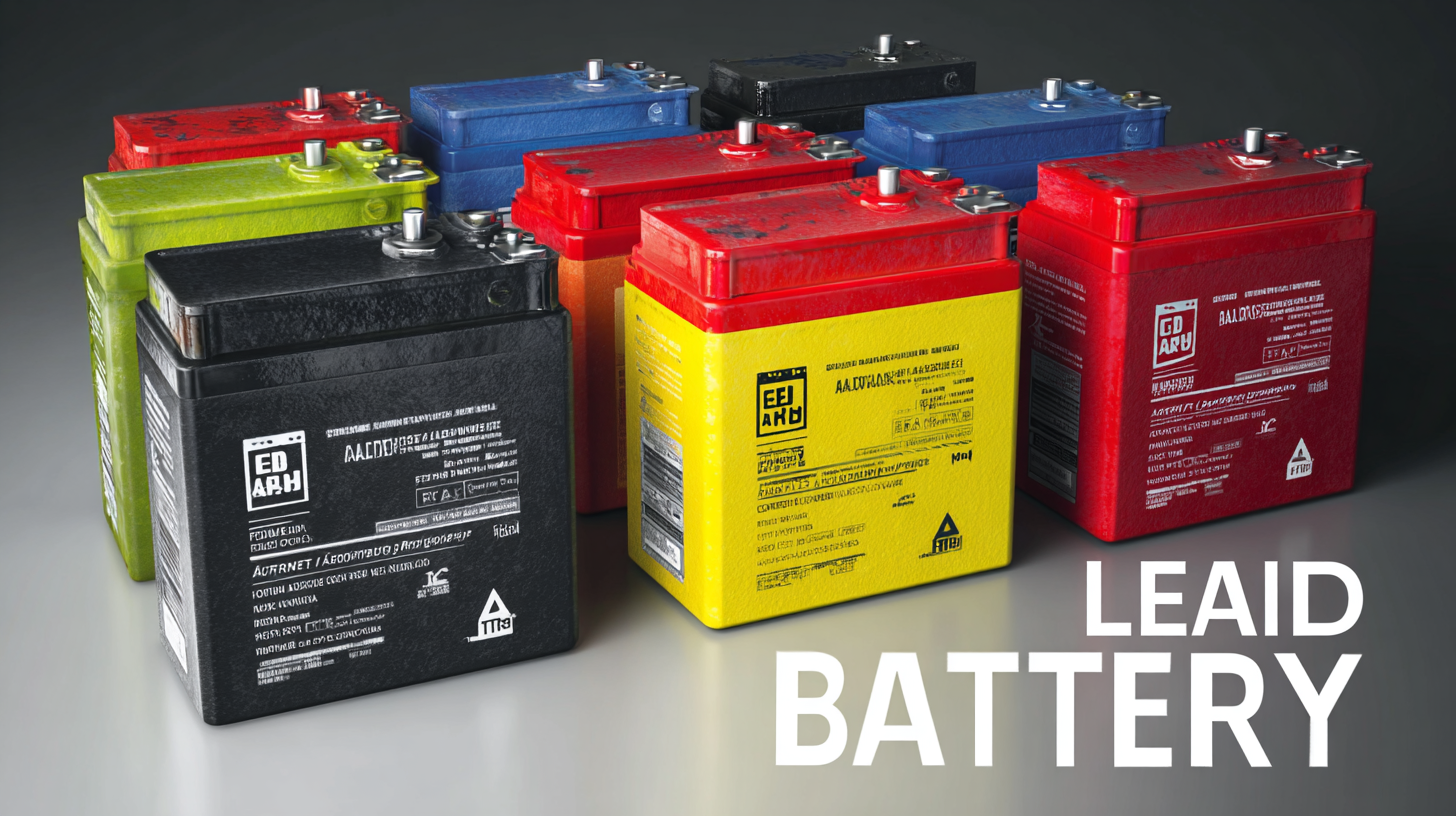 One key thing to keep in mind is to make sure the batteries stay clean and that the terminals don’t get all corroded. You should be checking for any signs of acid leaks or damage, too, because catching problems early can save you from bigger headaches later on.
Also, if you’ve got wet-cell batteries, keeping an eye on the electrolyte levels is super vital. You’ll want to top off that electrolyte solution with distilled water; otherwise, you could end up with sulfation. That’s when lead sulfate crystals start sticking to the battery Plates, and trust me, that's not good. And don’t forget about charging—overcharging or undercharging can really mess with how well the battery works and how long it lasts. By sticking to these simple maintenance tips, you can help your lead-acid batteries run smoothly and avoid unexpected mishaps, making them more reliable overall.
Future Innovations in Lead Acid Battery Technology and Applications
You know, battery technology is really changing a lot these days, and surprisingly, lead acid batteries are making quite the comeback. It’s kind of cool to see how relevant they still are for today’s energy needs. I mean, they’re affordable and have been around for ages, which makes them a pretty solid option for all sorts of uses, even with all the shiny new tech out there. What’s really awesome is how well they work in tough situations, so you’ll find them doing their thing in cars, renewable energy storage, and backup power systems without breaking a sweat.
Looking ahead, it seems like the big players in the industry are really zeroing in on how to make lead acid batteries even better. There’s some neat stuff happening, like new formulations and better materials that should boost their lifespan and performance. Plus, with fresh funding, lead acid batteries are setting themselves up to work alongside lithium-ion technology, especially in hybrid setups. With all the exciting research going on in energy storage right now, lead acid batteries are definitely going to be key as we move towards a more sustainable energy future, kind of serving as a bridge until the newer alternatives can really take over.
Essential Guide to Choosing the Right UPS Alarm Security System Battery for Your Needs
When it comes to ensuring the safety and security of your property, choosing the right UPS alarm security system battery is paramount. A reliable battery not only maintains the functionality of your alarm system during power outages but also guarantees the performance and longevity of your security setup. With advancements in lead-acid battery technology, products like the MHB 12V 33Ah UPS backup battery have emerged as frontrunners in meeting these critical needs.
The MHB 12V 33Ah battery uses cutting-edge manufacturing techniques, ensuring each unit is crafted with precision from high-quality raw materials. This robust approach helps to maximize battery life, enabling seamless operation of various alarm systems without interruption. Many industry reports highlight that well-maintained UPS batteries can provide an average lifespan of up to five years, contingent on usage and environmental conditions. Therefore, selecting a battery that allows for customization, like the MHB model, ensures that you can tailor your backup solution to fit specific system requirements.
In addition to customization, the comprehensive range of battery plate models available in China makes it simpler to find a compatible solution for any alarm system. Reports indicate that alarm systems powered by high-quality UPS batteries show a 30% increase in operational integrity during power disruptions, underscoring the importance of making informed battery choices. When investing in an alarm system, the quality and compatibility of the UPS battery are not just secondary options but essential components that significantly affect your system's overall reliability.
FAQS
: The global lead acid battery market is projected to reach approximately USD 73.96 billion by 2030.
Flooded lead acid batteries are favored in automotive applications due to their high surge currents and cost-effectiveness.
Sealed lead acid batteries are widely used in backup power systems and emergency lighting due to their maintenance-free characteristics.
Lead acid batteries accounted for about 25% of the global energy storage market as of 2022.
Lead acid batteries are used for energy storage, providing a steady supply of power during low generation periods, which is crucial for balancing supply in renewable energy systems.
When paired with solar photovoltaic systems, lead acid batteries can enhance overall energy efficiency by as much as 30%.
Industries rely on lead acid batteries for their robust performance, longevity, and cost-effectiveness in various applications, ensuring they remain crucial in energy solutions.
Lead acid batteries are utilized in automotive, renewable energy storage, telecommunications, and backup power systems, showcasing their versatility across multiple sectors.
Lead acid batteries help balance power generation and demand by providing a reliable energy storage solution, especially in systems where output can be unpredictable, such as solar and wind energy.
By facilitating the use of renewable energy sources and enhancing energy efficiency, lead acid batteries contribute to reducing carbon footprints in energy technologies.