As more and more folks are pushing for sustainable energy options, it’s clear that high-performance batteries are playing a huge role in this shift. I read a recent report from the International Energy Agency, and it’s pretty staggering — they’re saying the global energy storage market might hit around $300 billion by 2030. And honestly, at the heart of this growth are these really impressive Deep Cycle Lifepo4 Batteries. They’re known for lasting a long time, offering tons of charge cycles, and being super efficient. More and more businesses are jumping on the bandwagon, looking for wholesale ODM solutions to keep up with their energy needs.
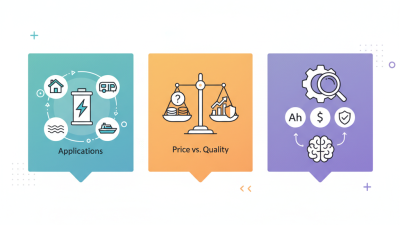
Now, adding Deep Cycle Lifepo4 Batteries into different energy setups definitely comes with its perks. For example, these batteries can last over 2000 cycles, which translates into pretty good value in the long run. That said, sourcing them through wholesale ODM can be a bit tricky. Not all manufacturers are created equal — you’ve got to pay close attention to quality control. It’s super important to check performance specs before making any decisions.
Plus, the versatility of these batteries is pretty impressive — they’re useful in all kinds of applications, from powering electric vehicles to supporting renewable energy systems. But, it’s also worth thinking about the environmental impact of how they’re made. Picking the right supplier isn’t just about performance; it’s about helping move towards a more sustainable future while making sure your energy solutions are reliable and efficient.

Advantages of Choosing ODM Deep Cycle Lifepo4 Batteries for Energy Storage
Choosing ODM deep cycle Lifepo4 batteries for energy storage offers notable benefits. These batteries provide reliable and efficient energy solutions. Their long lifespan means fewer replacements, saving both time and money. Deep cycle batteries can handle repeated charging and discharging. This makes them ideal for renewable energy applications.
One significant advantage is their weight-to-energy ratio. They are lighter than traditional batteries, yet they deliver powerful performance. The design of deep cycle batteries enhances energy retention. This quality makes them perfect for homes or businesses that rely on consistent energy access. However, the initial investment may be higher than other options.
Another interesting point is the environment. ODM deep cycle Lifepo4 batteries are more eco-friendly compared to lead-acid batteries. This contributes to a greener future. Yet, some consumers may find it challenging to understand technical specifications. It's important to educate oneself to make informed choices. Embracing new technology requires a learning curve.
Understanding the Technology Behind Lifepo4 Battery Chemistry
Lithium Iron Phosphate (LFP) batteries have gained traction due to their unique chemistry. They provide stability and long life cycles, making them ideal for deep cycle applications. According to recent reports, LFP batteries can offer over 2000 cycles at 80% depth of discharge. Many industries are adopting these batteries due to their reliability.
The chemistry of LFP involves iron, which contributes to its safety. These batteries are less prone to thermal runaway compared to other lithium-ion technologies. However, LFP batteries have a lower energy density. They typically deliver 90-120 Wh/kg, falling short of other lithium-ion chemistries. This limitation means they may require larger physical sizes for equivalent power needs.
Despite these limitations, LFP batteries shine in specific applications. They perform well in renewable energy storage systems, where cycles outnumber density requirements. In a market leaning towards sustainable solutions, manufacturers face a decision. They must weigh the benefits of LFP's stability against the constraints of size and energy output. This ongoing debate underscores the complexity of choosing the right battery technology.
Comparative Analysis: Lifepo4 vs. Other Battery Types in Performance
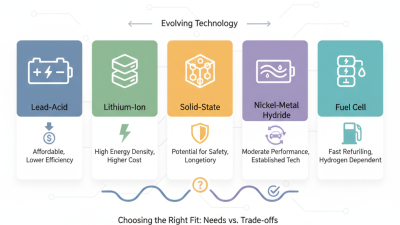
When comparing Lifepo4 batteries to other types, the differences become clear. Lifepo4 excels in safety and thermal stability. Unlike traditional lead-acid batteries, it’s less likely to overheat or catch fire. This stability can be crucial for both residential and commercial energy storage needs. Many users find peace of mind knowing their battery is safer.
However, efficiency is where Lifepo4 truly shines. It offers a high energy density, meaning it can store more energy in a smaller space. This quality makes it suitable for applications ranging from electric vehicles to home energy systems. In contrast, older technologies like lead-acid batteries can struggle with deep discharges. Lifepo4 can handle these stresses better, but it’s often pricier upfront.
Despite its advantages, there are considerations. Lifepo4 batteries have a limited lifespan, usually around 5,000 cycles. This is more than lead-acid, but some newer technologies claim longer lifetimes. Additionally, the recycling process for Lifepo4 is still being refined, raising environmental concerns. Users should weigh these factors carefully against their energy needs.
Cost-Effectiveness of Wholesale ODM Lifepo4 Batteries in Bulk Purchasing
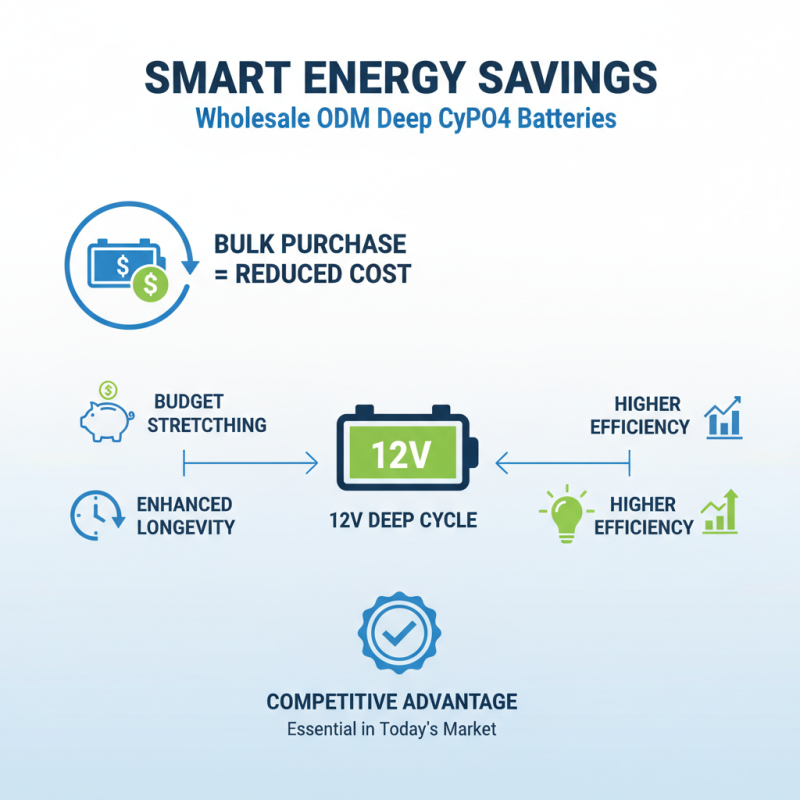
When considering energy solutions, opting for wholesale ODM deep cycle LiFePO4 batteries makes financial sense. Purchasing in bulk can significantly reduce costs. These batteries, particularly the 12v Deep Cycle Battery, offer enhanced longevity and efficiency. Lower purchase prices help businesses stretch their budgets. This cost-effectiveness is vital in today's competitive market.
Though the initial investment can be higher, the long-term savings from wholesale purchases are beneficial. Bulk buying decreases the overall price per unit. This means greater value for your energy investment. However, some companies hesitate due to upfront costs. They may overlook the increased return on investment over time.
Yet, it's essential to evaluate specific needs. Not every situation requires large quantities of batteries. Assessing storage, usage, and power needs critically can reveal the best options. Guard against being swayed by low prices alone. Quality and reliability should remain priorities in the decision-making process.
Sustainability and Environmental Impact of Lifepo4 Battery Use
When considering energy solutions, sustainability is a key factor. Lithium Iron Phosphate (LiFePO4) batteries stand out in this regard. They are known for their longevity and efficiency. A study indicated that LiFePO4 batteries have a cycle life of over 2,000 cycles. This is significantly better than traditional lead-acid options, including the Deep Cycle Gel Battery.
The environmental impact of using LiFePO4 batteries is noteworthy. They produce less waste over their lifespan, reducing landfill concerns. Reports show that adopting these batteries can lower CO2 emissions by up to 30% compared to older technologies. However, the mining processes for lithium and other materials can have serious ecological footprints. Addressing these issues remains critical for manufacturers.
Moreover, the recyclability of LiFePO4 batteries is another consideration. While they can be reused in various applications, the recycling process is not yet universally efficient. Poor recycling methods could negate some environmental benefits. Continuous improvement in both battery production and recycling is essential for a truly sustainable future.
Market Trends: Increasing Demand for Lifepo4 Batteries in Renewable Energy
The demand for Lifepo4 batteries is rising steadily. This trend highlights a shift towards more sustainable energy sources. Many businesses and homeowners are seeking reliable energy storage solutions. Deep cycle Lifepo4 batteries are becoming a preferred choice in renewable energy systems.
The renewable energy market is evolving. Solar and wind power systems require efficient storage options. Lifepo4 batteries offer better lifespan and safety compared to traditional lead-acid batteries. They can withstand more charge and discharge cycles, which is critical for solar applications. However, their initial cost can be a barrier for some.
Industries are exploring ways to cut expenses while adapting to this eco-friendly shift. It’s essential to weigh the long-term savings against upfront costs. Choosing wholesale ODM Lifepo4 batteries can help businesses reduce these costs significantly. As more users recognize the benefits, the demand will likely continue to grow. Balancing cost and efficiency is key in the shift towards renewable energy.
Applications of Lifepo4 Batteries in Various Industries and Their Benefits
Lithium iron phosphate (LiFePO4) batteries, particularly the 12v Deep Cycle Battery gel battery, are becoming essential in various industries. Their applications range from renewable energy storage to electric vehicles. These batteries provide high energy density and long cycle life, making them ideal for powering solar energy systems. Many solar installations rely on LiFePO4 batteries to store energy efficiently for later use, even during peak demand times.
Moreover, many industrial sectors are transitioning to LiFePO4 batteries due to their safety features. Unlike other lithium batteries, they are more stable and have a lower risk of thermal runaway. This safety aspect is crucial for industries requiring reliable energy solutions.
Nevertheless, there are considerations. Not every application may need the high performance of 12v deep cycle battery gel batteries. In some cases, traditional lead-acid options may suffice, depending on budget constraints and energy requirements.
Despite the advantages, some users may hesitate to invest in LiFePO4 technology. The initial cost can be higher than conventional batteries. For businesses, evaluating the long-term benefits versus initial expenditures is crucial. Understanding your specific energy needs is essential before making a choice. Would a 12v deep cycle battery gel battery fit your requirements better than other options? It's a question worth pondering.
Optimal Performance and Longevity: Exploring the Benefits of the 12V 5AH Motorcycle Battery MHB GEL-YT5L-BS
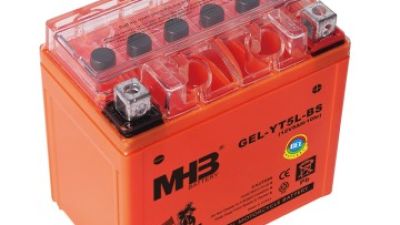
The 12V 5AH GEL-YT5L-BS motorcycle battery stands out as an optimal choice for enhancing both performance and longevity in a variety of applications. Its versatility is notable; this battery is not only suitable for motorcycles but also finds utility in ride-on toys, electric bicycles, and even some agricultural equipment. The 12V voltage and 5AH capacity make it a reliable power source, ensuring that vehicles start effortlessly and operate efficiently.
One of the most remarkable features of the GEL-YT5L-BS battery is its stylish design paired with excellent compression and deformation resistance. This durability ensures that the battery can withstand the rigors of everyday use, particularly in the demanding environment of motorcycle riding. Users particularly appreciate its robustness, which translates into longer service life and reduced maintenance needs. As a dependable solution for motorcycling, this battery combines performance with longevity, proving to be an outstanding investment for enthusiasts and casual riders alike.
FAQS
: The product aims to improve daily life efficiency through innovative features.
Follow the user manual for setup. Most functions are intuitive.
Yes, users report they save significant time on daily tasks.
Check the troubleshooting section in the manual. Contact support if problems persist.
Compatibility varies. Refer to the specifications for detailed information.
Regular maintenance is recommended. Clean components monthly for optimal performance.
Each function has a brief guide. Exploring the features might clarify confusion.
It is designed for a wide audience but may require some learning.
Some users might find the learning curve steep. Patience is key.
Customer service is available via multiple channels. Response times vary.
Conclusion
The article "Why Choose Wholesale ODM Deep Cycle Lifepo4 Battery for Your Energy Needs?" explores the numerous advantages of utilizing wholesale ODM Deep Cycle Lifepo4 batteries for energy storage solutions. It emphasizes the advanced technology behind Lifepo4 battery chemistry, which offers superior performance compared to other battery types. By analyzing cost-effectiveness through bulk purchasing, it highlights the financial benefits for consumers and businesses alike.
Furthermore, the article discusses the sustainability and environmental impact of Lifepo4 batteries, noting their growing popularity in the renewable energy sector. Market trends indicate a significant increase in demand for these batteries across various industries, showcasing their versatile applications. Overall, the Deep Cycle Lifepo4 Battery emerges as a crucial component for both energy efficiency and ecological responsibility in modern energy systems.