Lately, there's been a real spike in folks looking for clean energy options. You know, solar street lights have become pretty popular as a smart way to make cities more sustainable. At the heart of these lights is the Solar Street Light Battery—that’s what keeps everything running smoothly. Picking the right batteries isn't just a technical detail; it can really make a difference in how long they last and how well they work.
Companies like GreenTech Innovations are all about putting out top-notch solar street lights that come with built-in lithium-ion batteries. These batteries are pretty awesome—they store energy efficiently and charge up quickly. But honestly, choosing the perfect battery can feel a bit overwhelming. There’s a lot to think about—like capacity, how long they last, and how well they handle different weather conditions. It’s really about matching the battery to the specific climate where it’ll be used.
Investing in solar street lighting isn’t just about saving money in the long run, though that’s definitely a big plus. It’s about dependability and good performance too. As more of us lean toward greener choices, making sure you get quality batteries for these lights really can’t be overstressed. Not every product out there measures up, so it pays to stay informed. Knowing what to look for makes a huge difference when it comes to sustainable energy solutions that actually work.

Overview of Solar Street Light Batteries in Sustainable Energy Solutions
Solar street light batteries play a crucial role in sustainable energy solutions. They collect and store solar energy, allowing lights to operate efficiently at night. These batteries often use lithium technology, which is lightweight and has a long life span. This makes them ideal for outdoor installations.
However, the choice of battery is essential. Not all batteries are suitable for varying climates. In colder regions, for instance, performance may deteriorate. It's vital to consider temperature fluctuations when selecting batteries. A mismatch can lead to unexpected maintenance costs.
Maintenance is another aspect to reflect upon. While solar street lights require minimal upkeep, batteries do need periodic checks. Users might overlook this, leading to reduced efficiency. Understanding the importance of regular monitoring can enhance the life of solar street lights significantly. Engaging with experts can provide valuable insights into optimizing battery performance and ensuring reliable energy solutions.
Wholesale China Solar Street Light Battery Guide for Sustainable Energy Solutions
| Battery Type | Capacity (Ah) | Voltage (V) | Cycle Life (Cycles) | Warranty (Years) | Applications |
| Lithium-ion | 100 | 12 | 2000 | 5 | Street Lighting, Security Systems |
| Lead-acid (AGM) | 200 | 12 | 600 | 3 | Street Lighting, Backup Power |
| Lithium Iron Phosphate | 150 | 12 | 2500 | 6 | Street Lighting, Electric Vehicles |
| gel battery | 120 | 12 | 800 | 4 | Solar Applications, Emergency Lighting |
Types of Batteries Used in Solar Street Lights: A Comparative Analysis
When evaluating batteries for solar street lights, several options exist. Lithium-ion batteries are popular due to their high energy density and longer lifespan. According to the International Renewable Energy Agency (IRENA), lithium-ion batteries can last up to 15 years with minimal degradation. This longevity offers substantial savings over time, as replacements are infrequent.
Lead-acid batteries are another common choice. They are less expensive upfront but come with a shorter life expectancy, often around 5 years. A report by the National Renewable Energy Laboratory (NREL) highlights that lead-acid batteries lose efficiency as temperatures fluctuate. This can be a significant factor in areas with extreme weather.
NiMH batteries are gaining traction as a middle ground. They reduce the environmental impact compared to lead-acid batteries but don’t perform as well as lithium-ion counterparts. Interestingly, while they provide decent efficiency, their recycling process is less developed, posing future challenges. Each battery type has its pros and cons, reflecting the complexity of sustainable energy solutions.
Factors Influencing Battery Selection for Solar Street Lights
When selecting a Solar Street Light Battery, several factors come into play. Battery capacity is crucial. It needs to store enough energy for night operation. Capacity directly influences how long the lights stay on. A battery that is too small can lead to inadequate lighting periods.
Another key factor is battery lifespan. Longevity affects overall maintenance costs. Frequent replacements can burden local budgets. Ideally, one should invest in batteries with a longer life cycle. This reduces waste and promotes sustainability. Yet, balancing initial cost versus long-term savings can be challenging.
Temperature resistance is also important. Not all batteries perform well in extreme conditions. Areas with high heat or freezing temperatures may require specialized batteries. Users often overlook these environmental factors, which can lead to poor performance. Each of these elements must be carefully considered for optimal solar street light functionality.
Installation and Maintenance Tips for Solar Street Light Batteries
When installing solar street light batteries, proper attention to detail is crucial. Start by choosing the right Battery For Solar Street Light to ensure efficiency and longevity. The chosen battery should match the specifications of the solar panel system. This enhances performance and reduces maintenance issues over time. It’s essential to consider factors such as capacity, type, and climate conditions as they can significantly impact battery life.
Maintenance is another key aspect of battery health. Regularly check the battery’s state of charge and connections to prevent issues. Corrosion can develop over time, so keep terminals clean. If the battery shows signs of swelling or leakage, replacement is necessary. An overlooked battery can lead to reduced lighting quality, affecting safety.
Here are some tips for maintaining solar street light batteries: Monitor the voltage levels regularly. Ensure batteries are mounted securely to avoid damage. Lastly, ensure they receive adequate sunlight exposure. These practices can extend battery life and improve performance.
Battery Capacity Comparison for Solar Street Lights
Cost Considerations for Wholesale Solar Street Light Batteries
When considering wholesale solar street light batteries, cost factors play a crucial role. The average price range for these batteries can vary, typically between $150 and $500 each, depending on capacity and technology. Reports indicate that lithium-ion batteries are emerging as a preferred choice, given their efficiency and longevity. Their higher initial costs, around 20% more than lead-acid alternatives, may be offset by their longer lifespan and lower maintenance needs.
It's essential to evaluate the total cost of ownership (TCO) when investing. While lead-acid batteries are cheaper upfront, they often require replacement every 3 to 5 years. In contrast, lithium-ion versions can last upwards of 10 years. This longevity is particularly beneficial in countries looking to adopt sustainable energy solutions, where a reliable 5kw Solar System With Battery Backup is essential for consistent performance and lower overall expenses.
Decision-makers should also consider installation costs, which can impact the budget significantly. Professional installation ensures optimal performance, but labor costs can add up. Sourcing batteries from reputable manufacturers ensures quality, yet prices can fluctuate based on market conditions. It's crucial to stay informed and consider all factors before making a bulk purchase. Gathering quotes and understanding supply chain dynamics can lead to more informed financial decisions in the long run.
Future Trends in Solar Street Light Battery Technology
The evolution of solar street light battery technology is accelerating. As cities push for sustainable solutions, innovation in energy storage becomes crucial. Emerging technologies are promising better performance and longer lifespans for batteries. This shift could greatly enhance the effectiveness of solar street lights.
Solar Battery Storage systems are becoming more efficient. New materials and designs are allowing for smaller batteries with greater energy capacities. For instance, lithium-ion batteries are now widely favored for their high energy density. These advancements make solar street lights more effective and reliable. Yet, the challenge remains in ensuring affordability for widespread adoption.
While the future looks bright, there are still hurdles to address. Issues such as recycling and environmental impact need serious consideration. The growing demand for Solar Battery storage could lead to resource shortages. Developers must balance innovation with sustainability. Continuous improvement is necessary to create a truly eco-friendly energy solution.
Environmental Impact of Using Solar Street Light Batteries
The environmental impact of solar street light batteries is significant. Solar street lights can reduce carbon emissions by up to 50% compared to traditional lighting. This transition offers a cleaner urban environment. However, the production and disposal of batteries pose challenges.
Batteries, often lithium-based, require extensive mining. This process can harm ecosystems and create pollution. Reports indicate that lithium extraction impacts water sources and local communities. As cities embrace solar technology, this aspect often gets overlooked.
Recycling is crucial. Many lithium batteries are not recycled properly. This leads to toxic waste in landfills. Studies show that less than 5% of lithium batteries are processed correctly. The industry must address these shortcomings to ensure sustainability. The focus should balance benefits with environmental responsibilities.
Optimizing Alarm System Performance with MHB MR100-12 Front Terminal Battery: Key Features and Benefits
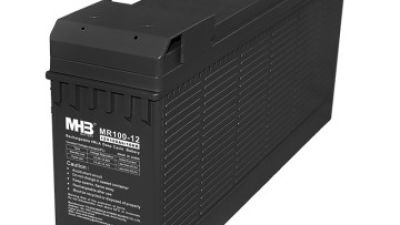
When it comes to optimizing alarm system performance, the selection of the right battery can significantly influence reliability and efficiency. The MHB MR100-12 Front Terminal Battery is designed specifically for applications such as alarm systems, data centers, and uninterruptible power supplies (UPS). With an impressive capacity of 12V and 100Ah, this maintenance-free battery provides a robust power solution that is particularly well-suited for professional and industrial use.
One standout feature of the MHB MR100-12 is its superior corrosion resistance, which is critical for ensuring longevity and durability in various environments. According to industry reports, corrosion accounts for a significant percentage of battery failures in demanding applications. By utilizing advanced materials and design, this battery mitigates these risks, enabling uninterrupted power supply even during critical situations. Furthermore, its excellent charge acceptance allows for swift replenishment of energy, ensuring that the system remains operational without compromising performance.
The space-saving front terminal design of the MHB MR100-12 not only facilitates easy installation but also aids in maintaining a tidy setup. This is particularly beneficial in environments where space is premium, such as server rooms or control centers. Industry analyses suggest that streamlined installations can lead to reduced maintenance costs and improved system efficiency, making this battery an ideal choice for entities looking to enhance their alarm systems. With these key features and benefits, the MHB MR100-12 emerges as a reliable choice for optimizing alarm system performance and ensuring peace of mind.
FAQS
: They collect and store solar energy, enabling night operation of lights.
Not all batteries perform well in every climate. Temperature affects their efficiency significantly.
A mismatch can result in higher maintenance costs and decreased efficiency.
Periodic checks are important. Overlooking this can reduce the overall efficiency of the lights.
Prices usually range from $150 to $500, depending on capacity and technology.
Lithium-ion batteries last longer, up to 10 years, while lead-acid ones last 3 to 5 years.
Initial costs, lifespan, and maintenance needs are crucial for effective financial planning.
Proper installation can enhance performance, but it may increase labor costs.
Prices can fluctuate based on supply and demand. Staying informed is key to making smart purchases.
Ignoring maintenance can lead to unexpected failures and increased long-term costs.
Conclusion
The article titled "Wholesale China Solar Street Light Battery Guide for Sustainable Energy Solutions" provides a comprehensive overview of the critical role that Solar Street Light Batteries play in promoting sustainable energy solutions. It examines the various types of batteries utilized in solar street lights, highlighting their comparative efficiency and suitability for different applications. Key factors influencing the selection of these batteries, such as cost, performance, and environmental considerations, are also discussed.
Furthermore, the article offers essential installation and maintenance tips to ensure optimal battery performance and longevity. It explores cost considerations for wholesale solar street light batteries, helping stakeholders make informed purchasing decisions. Looking ahead, future trends in solar street light battery technology are summarized, emphasizing the ongoing innovation aimed at enhancing energy efficiency and reducing environmental impact. Overall, the article underscores the importance of selecting the right Solar Street Light Battery to achieve sustainable urban lighting solutions.