Leave Your Message
Solar energy storage isn't just about how many panels you've got. Actually, the battery has to juggle daily charging, night-time loads, and those stretches of gloomy weather when the sun just doesn't show up. For systems that need reliable, low-maintenance storage with steady performance, a gel battery might be your best bet. Instead of a liquid electrolyte that sloshes around, it's thickened into a gel. That means less worry about spills and more flexibility with where you put it—though you should still follow the manufacturer's guidelines, of course.
So, picture this: you've got a little cabin, a backup rig, or maybe a tiny off-grid setup. A gel battery that's sized right can totally stash away the sun's energy during the day, so you can keep the lights on, run your router, and handle those other modest loads without a hitch. Now, these batteries are basically sealed lead-acid types, which means you absolutely need to pair them with a solar charge controller that's dialed in to the voltage limits the battery recommends. And here's the thing—the little details really matter. If it gets too hot, you keep draining it way down, or you mess up the charging profile, you'll slash its lifespan before you know it. Honestly, a Sla Gel Battery isn't always the best fit for every project. Lithium batteries, for instance, might give you more usable capacity and cut down on weight, but the initial cost and system requirements can be a whole different story. So instead of just zeroing in on the advertised amp-hour rating, you should really compare things like usable capacity, cycle-life conditions, warranty terms, and whether you have good local support. A little caution doesn't hurt, right? Alright, let's talk about GEL batteries – where they really shine, what you might have to put up with, and a few quick checks to make sure you pick the right one for your solar setup.
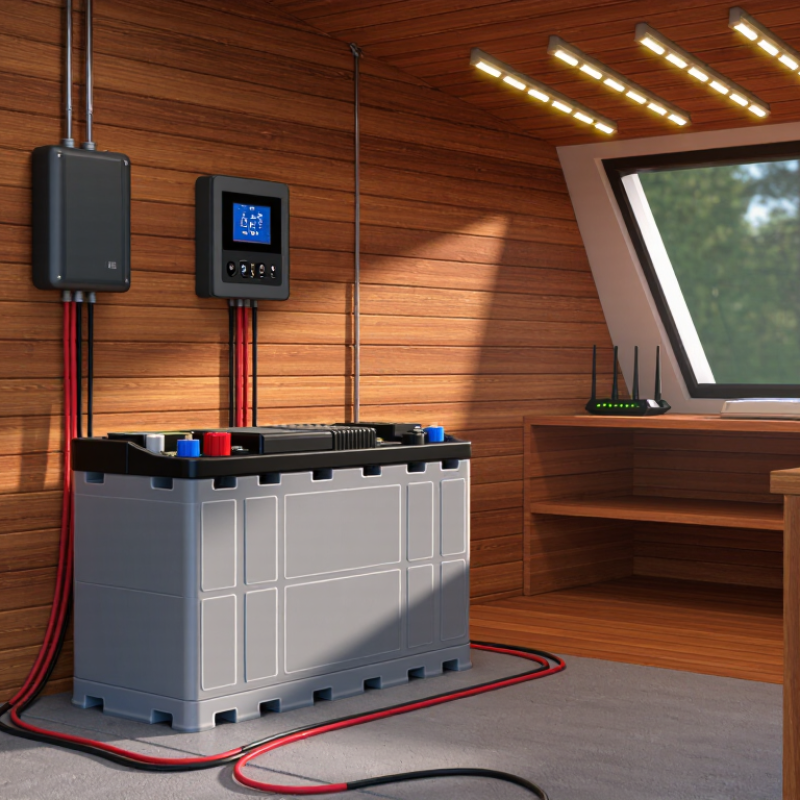
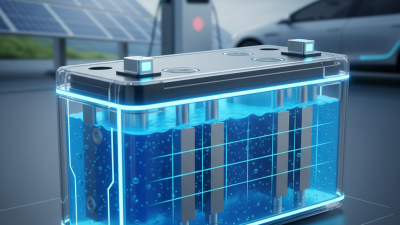
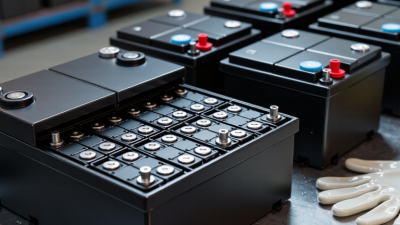
A gel batteryis a type of lead-acid battery. Its sulfuric acid electrolyte is mixed with silica, forming a thick gel around the lead Plates. The gel keeps the electrolyte from freely sloshing when the battery is moved. Inside the case, chemical reactions between the plates and electrolyte store energy in chemical form—not as electricity sitting unchanged in a container. That distinction matters. During discharge, electrons flow through an external circuit to power a light, inverter, or other connected load. Charging reverses the reaction and restores the battery’s stored chemical energy.
In a solar system, panels generate direct current, and a charge controller regulates the energy sent to the battery. A gel battery can then supply power when sunlight is weak or unavailable, such as after dusk. For example, it may run a small cabin light through the evening, depending on its capacity and the load. Searches may use the phrase “Agm Gel Battery,” but AGM and gel batteries have different electrolyte designs. Check the battery’s charging specifications: an unsuitable voltage can reduce its service life. Gel batteries are also not immune to wear, and repeated deep discharge can be hard on them. The right choice depends on the system, temperature, and how consistently charging is managed. It is easy to overlook that last part.
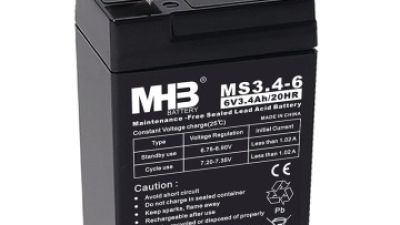
The 6V 3.4Ah sealed lead-acid battery serves a practical niche in the broader lead-acid battery market, where dependable backup power and familiar technology remain important across many applications. Its compact size and modest capacity make it suitable for equipment that needs a reliable reserve rather than extended high-power operation. Alarm systems, uninterruptible power supplies, medical equipment, and other low-power devices can benefit from a battery designed to provide steady performance when mains power is interrupted.
As buyers compare battery options, factors such as service life, ease of installation, consistent output, and maintenance requirements can influence purchasing decisions. A sealed, maintenance-free design helps simplify use in settings where routine battery care is inconvenient, while its compact form supports integration into space-limited equipment. For distributors, installers, and organizations managing multiple devices, this battery type can also be considered for wholesale and bulk orders. Working with a trusted supplier can help buyers source consistent products for ongoing operational needs and planned replacements.
Silica thickens the electrolyte, making it less likely to spill if the battery tilts. Sealed does not mean indestructible.
Usually, no routine water topping is needed. Still check terminals, temperature, and charging settings. “Maintenance-free” can be an overstatement.
Yes. Excessive voltage can create heat or gas and may dry out the gel. Follow the specified charging limits.
It can run lights, a router, or a small refrigerator during an outage. Match usable capacity to actual loads. A little margin helps.
Add the overnight energy use of lights, pumps, and other devices. Include inverter losses and cloudy-day reserve. One sunny afternoon may mislead.
They may recharge more slowly than some alternatives. Allow recovery time after an outage, especially in winter. Not instant.
Confirm it has a gel charging profile. Set voltage and temperature compensation to the battery’s specifications. Small settings matter.
Measure the space and check terminal layout before buying. Size wiring and the controller for array current, and install a fuse near the battery. Leave suitable ventilation.
A GEL Battery stores electricity through a chemical reaction, using an electrolyte thickened into a gel rather than a free-flowing liquid. This sealed design helps reduce the risk of leaks and limits routine maintenance, making it suitable for solar installations where dependable, contained energy storage is important. In a solar system, the battery stores surplus power generated during daylight and supplies electricity when solar production is low or unavailable.
For off-grid use and backup power, GEL batteries can offer steady performance and flexible installation, but they also have limits. Their capacity, charging speed, lifespan, and performance in different temperatures should be considered, and correct charging settings are essential to avoid damage. When choosing one, compare the required storage capacity, system voltage, expected daily use, available space, and compatibility with the solar charge controller. These factors help ensure the battery suits both your energy needs and your setup.