

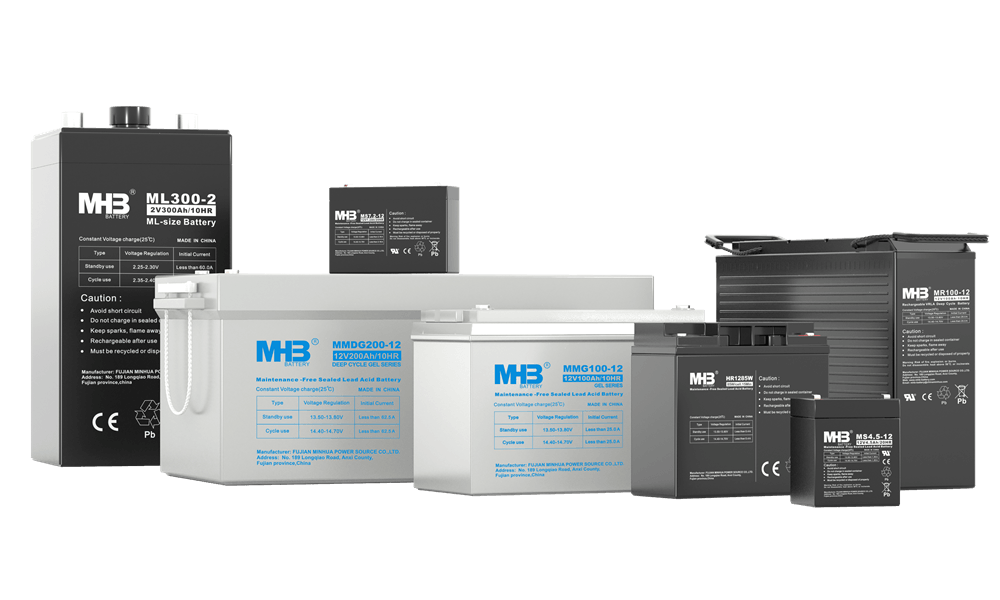
AI Computing Power Behind the Scenes: Why Lead-Acid Batteries Are Still the Backbone of Data Centers
As Q1 2026 comes to a close, the global lead-acid battery industry is showing a clear growth trajectory. While lithium batteries continue to expand their presence, traditional lead-acid batteries are quietly making a strong comeback—especially in data centers, energy storage systems, and telecom backup power applications.
For B2B buyers, EPC contractors, and data center operators, this shift is not just a trend—it’s a procurement signal.
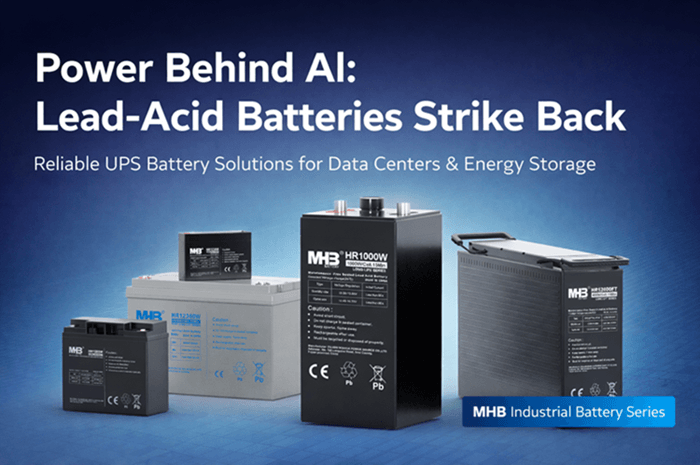
Data Center UPS Battery Demand Is Exploding in the AI Era
The rapid development of AI models and high-performance computing is driving unprecedented demand for power infrastructure.
- Global data center power consumption is expected to grow from 49GW (2023) to 96GW by 2026
- Nearly 90% of this growth is driven by AI workloads
Behind this surge lies a critical question:
👉 How to ensure uninterrupted power supply?
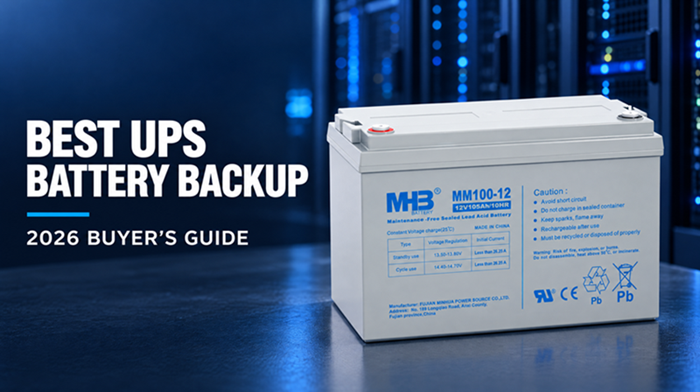
This is where industrial ups battery systems come into play.
Why Lead-Acid Batteries Still Dominate
Despite the rise of lithium batteries, lead-acid batteries still hold over 90% market share in data center backup systems, thanks to:
- Proven safety and stability
- Lower total cost of ownership
- Mature global supply chain
- Strong high-rate discharge performance
For mission-critical environments like data centers, reliability matters more than hype.
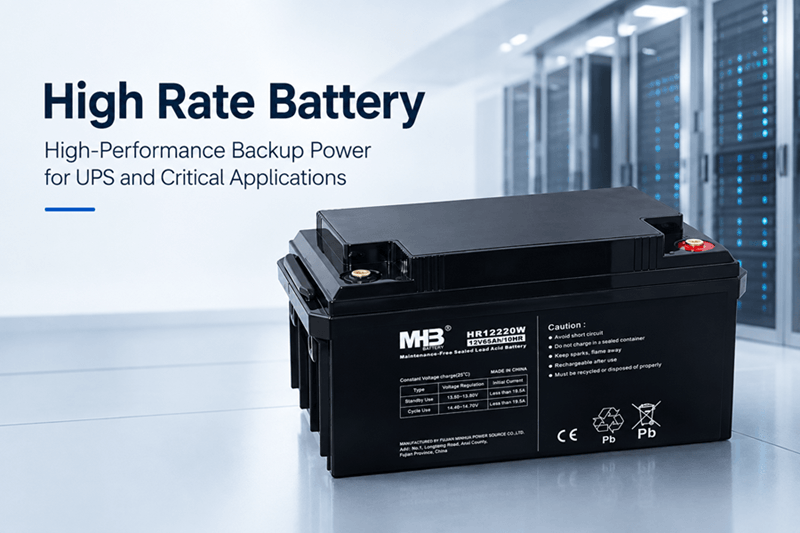
MHB High-Rate UPS Batteries: Built for AI Data Centers
To meet the growing demand for high-performance backup power, MHB series batteries are engineered specifically for:
- High-rate discharge Ups Systems
- Short-duration, high-load backup scenarios
- Critical infrastructure (data centers, IDC, cloud computing)
Key Advantages:
- ⚡ High discharge efficiency for instant power delivery
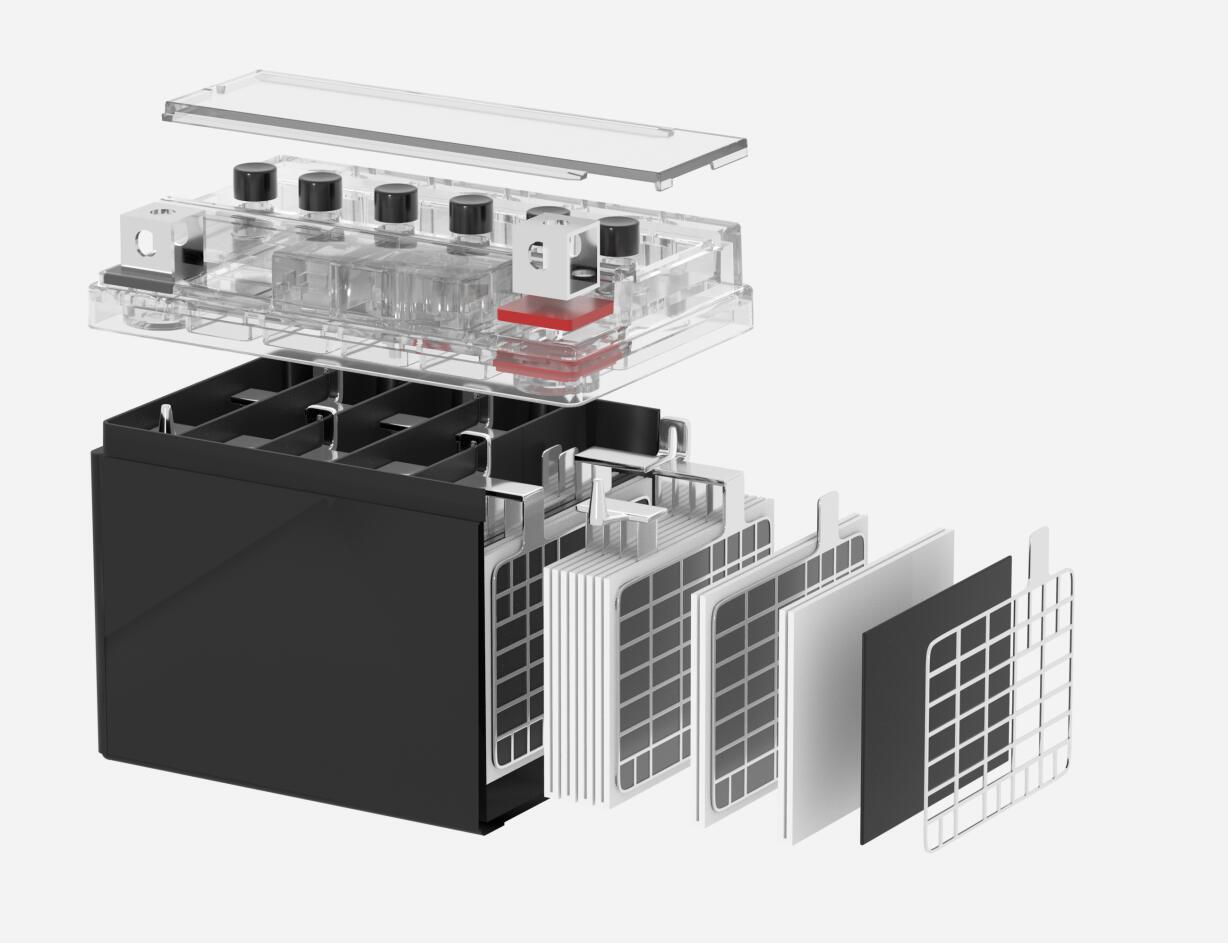
- 🔋 Long service lifewith optimized Plate design
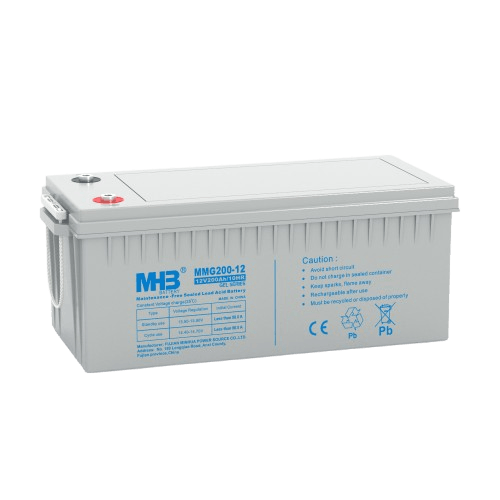
- 🛡️ Sealed maintenance-free (VRLA) structure
- 🌡️ Stable performance under wide temperature ranges
- 🔄 Designed for frequent charge/discharge cycles
Compared to standard batteries, high-rate UPS batteries can deliver significantly higher power density, making them ideal for AI-driven facilities.
Energy Storage Market Expands: Cost Advantage Matters
Beyond data centers, energy storage systems (ESS) are becoming another major growth driver.
Market projections show:
- Global lead-acid energy storage market will reach $100+ billion by 2033
- CAGR of 6%+
Why Buyers Still Choose Lead-Acid for ESS:
- 💰 Lower upfront investment
- ❄️ Wide temperature tolerance (-30°C to 50°C)
- 🔧 Easy maintenance and replacement
- ♻️ Mature recycling ecosystem
In applications like:
- Telecom base stations
- Off-grid solar systems
- Backup power for industrial facilities
Lead-acid batteries remain a cost-effective and reliable choice.
Continuous Innovation: From “Durable” to “High Performance”
The industry is evolving rapidly with new technologies:
- Advanced plate structure optimization
- Carbon-enhanced materials for better charge acceptance
- Improved anti-corrosion designs
- Lower internal resistance for higher efficiency
These innovations are transforming lead-acid batteries into high-performance energy solutions, not just traditional backup products.
Sustainability: A Fully Recyclable Energy Solution
One of the biggest advantages of lead-acid batteries is sustainability.
- ♻️ Over 65% of global lead production comes from recycling
- 🔁 Recycling rates exceed 96% in leading manufacturers
- 🌍 Fully compliant with global environmental regulations
This makes lead-acid batteries one of the most environmentally responsible energy storage options available today.
Why Global Buyers Choose MHB Battery
For distributors, project contractors, and OEM partners, choosing the right supplier is critical.
MHB Battery offers:
- ✔️ Full range of industrial UPS batteries
- ✔️ Strong production capacity & stable supply
- ✔️ International certifications (CE, UL, IEC, ISO)
- ✔️ Proven experience in data centers & telecom projects
- ✔️ Competitive pricing for bulk orders
Get a Quote for Your Next Project
Whether you are sourcing for:
- Data center UPS systems
- Telecom backup power
- Energy storage projects