


Best UPS Battery Backup in 2026: How to Choose the Right Battery for Critical Power Systems
Choosing the best UPS Battery Backup depends on more than nominal capacity or purchase price. Battery technology, discharge performance, required runtime, operating temperature and system compatibility all influence the reliability of a backup power system.
For commercial and industrial applications, valve-regulated lead-acid (Vrla) batteries remain a practical option for many UPS installations. AGM batteries are commonly selected for high-rate discharge applications, while other battery configurations may be more suitable for different operating conditions and backup requirements.
The right solution depends on the equipment being protected and how the battery will be used.
This guide explains the key differences between UPS battery technologies, how to evaluate battery specifications and what industrial buyers should consider when sourcing batteries from a manufacturer.
UPS System vs. UPS Battery: Understanding the Difference
A UPS (uninterruptible power supply) is a complete backup power system designed to supply electricity when the primary power source fails or becomes unstable.
The battery stores energy for use during an outage. Other UPS components manage charging, power conversion, switching and electrical protection.
When selecting a backup solution, buyers should distinguish between two purchasing requirements:
-
Complete UPS system: Includes power electronics, controls and the required battery configuration.
-
Replacement or standalone UPS battery: Supplies stored energy for an existing UPS system or a newly designed battery bank.
Businesses replacing batteries in an established installation should verify compatibility with the existing UPS before ordering. System integrators and equipment manufacturers may also need a battery supplier capable of providing consistent specifications across multiple production batches.
Which UPS Battery Technology Is Best?
Different battery technologies serve different backup requirements. The most appropriate choice depends on discharge duration, operating conditions, charging requirements, installation space and lifecycle cost.
AGM VRLA Batteries
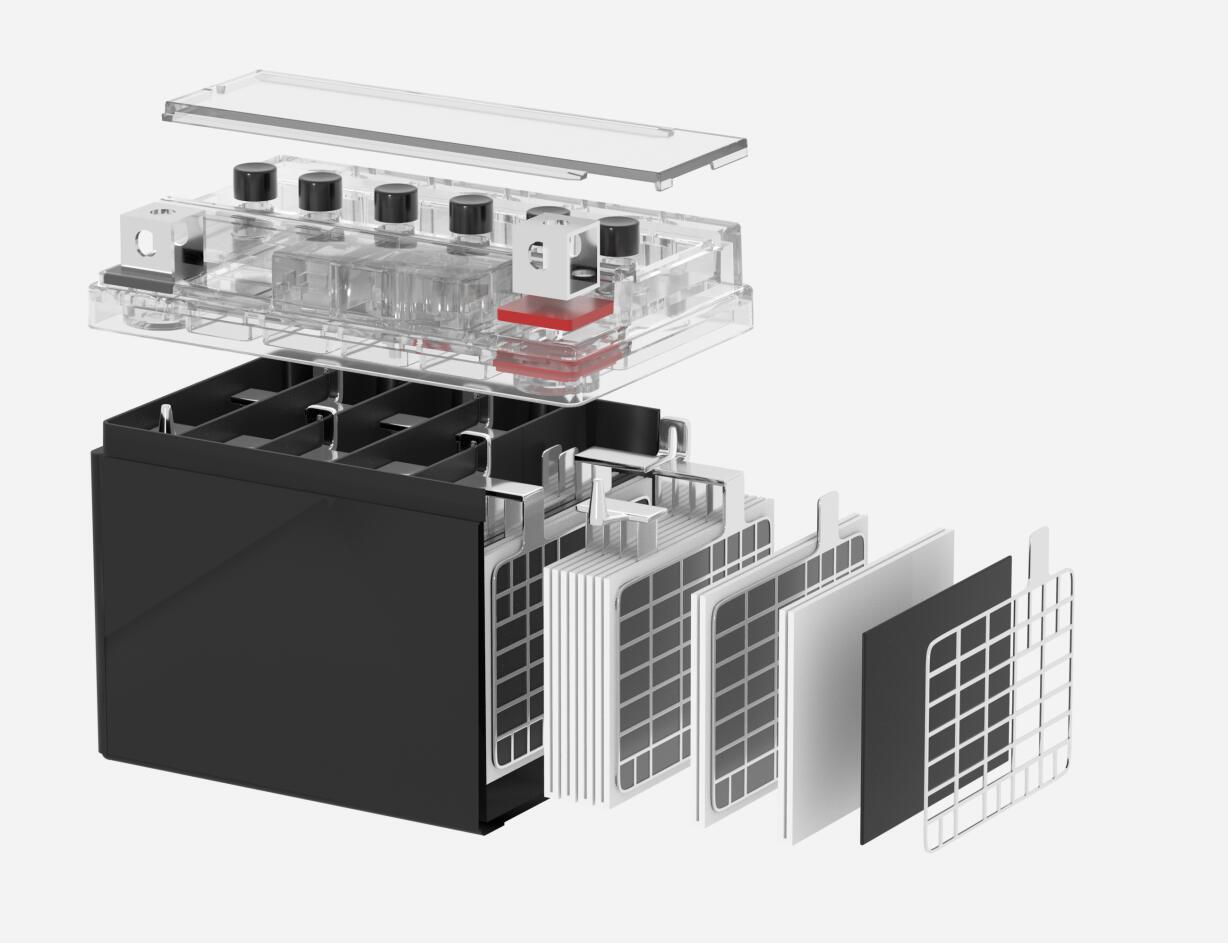
AGM (Absorbent Glass Mat) batteries use a glass-fiber separator to retain the electrolyte. They are widely used in standby power systems because of their sealed construction and suitability for many high-rate discharge applications.
Typical advantages include:
-
Maintenance-free operation under normal specified conditions
-
Good high-rate discharge capability in suitable designs
-
Compact installation options
-
Low routine maintenance requirements
-
Compatibility with many commercial and industrial UPS systems
AGM VRLA batteries are worth evaluating for server rooms, data centers, communication equipment and industrial control systems that require dependable standby power.
Battery performance varies by model. Buyers should check discharge tables, terminal specifications, charging parameters and design-life ratings rather than relying on the AGM label alone.
GEL VRLA Batteries
GEL batteries use a silica-based compound to immobilize the electrolyte. Depending on their design, they can be suitable for applications involving deeper discharge or more frequent cycling.
Potential applications include telecommunications, renewable energy storage and selected backup power systems.
GEL batteries are not automatically better than AGM batteries in every environment. The correct choice depends on the required discharge profile, charging system, ambient temperature and manufacturer's specifications
2V and 12V Industrial Lead-Acid Batteries
Battery voltage affects the configuration of the battery bank, while capacity and discharge characteristics determine whether the required load can be supported.
| Comparison | 2V Industrial Batteries | 12V Industrial Batteries |
|---|---|---|
| Typical configuration | Multiple cells connected in series | Multiple batteries connected in series and, where permitted, parallel |
| Common applications | Large stationary battery banks | Commercial and industrial UPS systems |
| System design | Flexible cell-level configuration | Convenient modular configuration |
| Key selection factors | Capacity, installation, discharge requirements and maintenance access | Capacity, dimensions, terminals and UPS compatibility |
Neither format is universally superior. The best configuration depends on the UPS manufacturer's requirements, available space, required backup duration and project design.
How to Compare UPS Batteries Before Buying
Battery specifications provide a more reliable basis for comparison than marketing claims alone.
1. High-Rate Discharge Performance
Many UPS applications require batteries to deliver substantial power over a relatively short period.
Two batteries with the same nominal ampere-hour rating may provide different results under high-rate discharge conditions. Internal resistance, plate design, active material, construction and discharge duration all influence performance.
Industrial buyers should request discharge tables at the relevant end voltage and runtime. These tables help determine whether a battery can deliver the required power without its terminal voltage falling below the system's operating limit.
2. Capacity and Required Runtime
Battery capacity is commonly expressed in ampere-hours (Ah), but this rating alone does not determine actual backup time.
A simplified nominal energy calculation is:
Nominal energy (Wh) = Battery voltage (V) × Capacity (Ah)
For example, a nominal 12V 100Ah battery represents approximately 1,200Wh of nominal energy.
This figure is not the same as usable energy during a UPS discharge. Actual performance depends on discharge rate, cutoff voltage, temperature, battery condition and system efficiency.
Reliable sizing requires the manufacturer's discharge data for the intended operating conditions.
3. Design Life and Operating Temperature
Battery design life is usually specified under defined test and operating conditions. It should not be interpreted as a guaranteed replacement interval.
Service life can be affected by:
-
Ambient temperature
-
Charging voltage and charging method
-
Frequency and depth of discharge
-
Installation and ventilation
-
Battery maintenance and monitoring
Elevated temperatures generally accelerate lead-acid battery aging. Temperature management is therefore important in battery rooms, data centers and industrial installations.
Buyers comparing products should confirm the stated design life, reference temperature, applicable standard and warranty terms.
4. Dimensions and Terminal Configuration
Physical compatibility matters when replacing batteries or designing battery cabinets.
Before ordering, verify the battery's length, width, height, terminal type, polarity, connection requirements and available installation space.
Front-terminal batteries may be useful in cabinets where front access simplifies installation and maintenance. Conventional top-terminal designs may suit other configurations.
5. Manufacturing Consistency and Quality Control
Large UPS battery banks can contain many individual batteries connected in strings. Differences in electrical characteristics may affect string performance and complicate maintenance.
Procurement teams should evaluate the manufacturer's quality management, production controls, inspection procedures, traceability and ability to maintain consistent specifications across repeat orders.
These factors are particularly important for distributors, OEM customers and projects involving multiple battery banks.
Which UPS Battery Is Best for Different Applications?
The best battery depends on the electrical requirements and operating environment of each installation.
| Application | Battery Options to Evaluate | Main Considerations |
|---|---|---|
| Server rooms | 12V AGM VRLA | High-rate discharge, cabinet space and runtime |
| Data centers | Industrial AGM VRLA or other specified technologies | Discharge performance, string consistency and monitoring |
| Telecommunications | 2V or 12V stationary batteries | Standby duration, installation conditions and maintenance access |
| Industrial control systems | Compatible AGM or industrial battery configurations | DC voltage, load profile and equipment compatibility |
| Large stationary UPS systems | 2V or 12V industrial batteries | Required capacity, system configuration and lifecycle cost |
| Renewable energy with backup functions | AGM or GEL, depending on duty cycle | Cycling frequency, depth of discharge and charging method |
This table provides an initial selection guide rather than a universal product ranking. Final selection should be based on engineering requirements and manufacturer data.
How to Size a UPS Battery Bank
Correct battery sizing starts with the load and required backup duration, not simply the largest available Ah rating.
Step 1: Confirm the Connected Load
Determine the actual power consumption of the equipment that must remain operational during an outage. Use watts or kilowatts and distinguish between critical loads and equipment that can be disconnected.
Step 2: Define the Backup Duration
Establish the required runtime. Some installations only need enough time for a controlled shutdown, while others must remain operational until a generator starts or power is restored.
Step 3: Confirm the UPS DC Voltage
Check the battery-bank voltage specified by the UPS manufacturer. Common configurations vary by equipment and system capacity, so the required voltage should never be assumed from the UPS power rating alone.
Step 4: Calculate Battery Capacity
Use the required load, runtime, DC voltage, discharge characteristics and manufacturer's sizing method to determine the necessary battery capacity.
Step 5: Confirm the Series and Parallel Configuration
The series configuration determines the bank voltage, while parallel strings can increase available capacity when supported by the system design.
The final configuration must account for battery specifications, cable sizing, protective devices, charging limits and the UPS manufacturer's requirements.
Step 6: Verify the Design Margin
Battery sizing should account for relevant factors such as aging, temperature, load variation and the required end-of-discharge voltage.
A qualified system designer should verify the final configuration before procurement or installation.
What Should B2B Buyers Look for in a UPS Battery Manufacturer?
Price matters, but it is only one part of a long-term supply decision.
Product Range and Technical Support
A manufacturer serving different UPS applications should be able to provide relevant specifications, discharge data, dimensions and charging recommendations. Technical support is especially valuable for projects with non-standard runtimes or battery configurations.
Production and Quality Management
Buyers should review manufacturing capabilities, inspection processes, applicable certifications and traceability requirements. Claims about compliance should be supported by valid documentation for the relevant product and market.
OEM and ODM Capabilities
OEM and ODM services may help equipment manufacturers and distributors meet specific requirements for battery specifications, product identification, packaging and repeat-order consistency.
Supply Reliability
Project schedules depend on more than manufacturing capacity. Buyers should confirm lead times, minimum order quantities, shipping arrangements, warranty terms and after-sales support before finalizing a purchase.
Total Cost of Ownership
A lower initial price does not always result in lower lifecycle cost. Battery replacement, installation labor, downtime, maintenance and disposal can all affect the overall economics of a UPS installation.
MHB Industrial UPS Battery Solutions
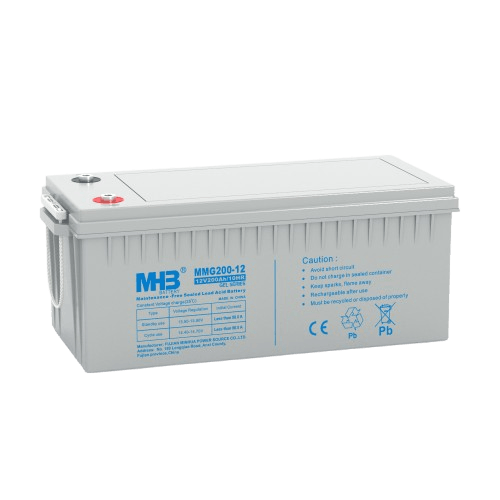
MHB specializes in lead-acid batteries and industrial battery solutions for applications including UPS backup power, telecommunications and other stationary power requirements.
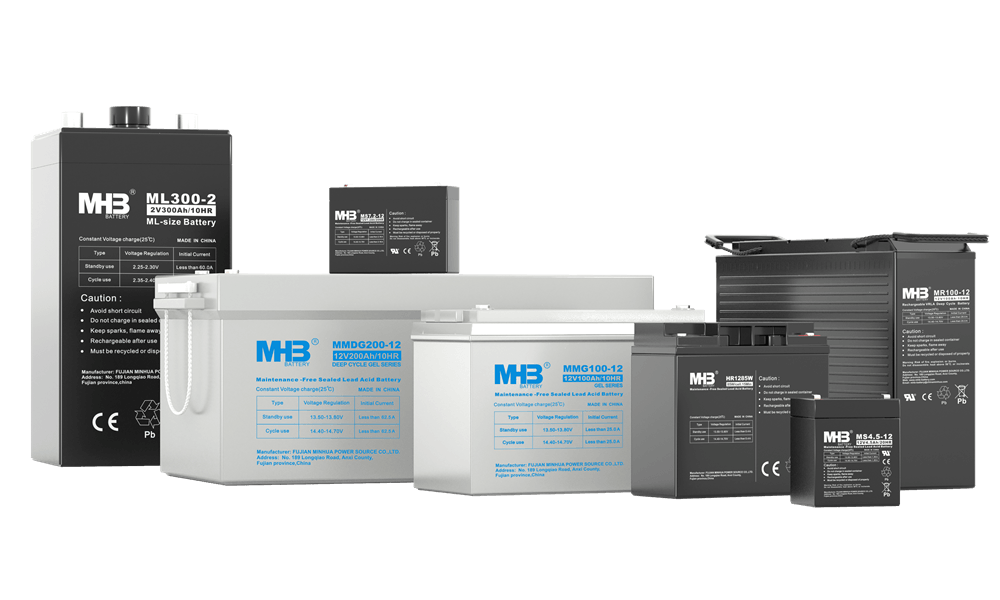
Its industrial battery portfolio includes different battery formats and product families intended for a range of system configurations. Product selection should be based on the specifications of the intended application.
Industrial VRLA Battery Solutions
VRLA batteries are used in many stationary backup applications because of their sealed construction and relatively low routine maintenance requirements.
The appropriate model should be selected according to required discharge performance, capacity, operating temperature, charging parameters and physical dimensions.
2V and 12V Battery Configurations
Different voltage formats allow battery banks to be designed around the electrical requirements of the UPS system.
MHB's industrial battery range can be evaluated for projects requiring 2V or 12V configurations, subject to the availability and specifications of the selected model.
Support for B2B Procurement
MHB works with industrial battery buyers and businesses seeking manufacturing supply solutions. Distributors, OEM customers and project procurement teams can discuss their technical requirements and order specifications with the company.
For product-specific selection, request the relevant datasheet and discharge information before confirming a model.
Frequently Asked Questions
What is the best UPS battery backup for industrial use?
The best option depends on the load, required runtime, battery-bank voltage, discharge profile and installation environment. AGM VRLA batteries are suitable for many industrial standby applications, while other configurations may be preferable for different operating requirements.
Which battery is better for a UPS, AGM or GEL?
AGM is commonly evaluated for high-rate standby applications, while GEL may suit some applications involving deeper cycling. Actual suitability depends on the model's discharge characteristics, charging requirements and operating conditions.
How long can a UPS battery provide backup power?
Runtime depends on the connected load, battery capacity, discharge rate, cutoff voltage, temperature and battery condition. Manufacturer discharge tables provide a more reliable estimate than nominal Ah ratings alone.
How do I choose between 2V and 12V UPS batteries?
Start with the UPS manufacturer's specified DC voltage and battery configuration. Compare capacity, installation space, connection requirements, maintenance access and lifecycle cost before selecting a format.
When should industrial UPS batteries be replaced?
Replacement decisions should consider battery age, inspection results, capacity tests, monitoring data and the manufacturer's recommendations. Regular testing helps identify deteriorating batteries before they compromise backup performance.
Can I replace my existing UPS battery with another brand?
A replacement from another manufacturer may be suitable if it meets all applicable electrical, mechanical and charging requirements. Confirm voltage, discharge capability, dimensions, terminals, polarity and system compatibility before ordering.
What information is needed for a bulk UPS battery quotation?
Suppliers typically need the battery voltage, capacity or model, required quantity, application, destination market and any OEM or packaging requirements. Projects involving battery-bank design may also require load power, runtime, DC voltage and discharge specifications.
Does MHB supply industrial UPS batteries for OEM and distributor orders?
MHB offers industrial battery solutions for B2B customers. Buyers should contact the company to confirm available models, technical documentation, order quantities, customization options and delivery arrangements.
Request an Industrial UPS Battery Solution
Choosing the best UPS battery backup starts with a clear understanding of your load, runtime and installation requirements.
MHB can discuss industrial battery options with distributors, OEM customers, system integrators and project procurement teams seeking a suitable battery supply solution.
Send your project requirements to request product specifications and a quotation.
Please include:
-
Required voltage and capacity
-
UPS application and connected load
-
Required backup duration
-
Estimated order quantity
-
Destination country
-
OEM or customization requirements, if applicable